What is Alarm Cable? Understanding Types, Uses, and Installation Tips
Alarm cable is a critical component in the installation of security systems, providing a reliable means of communication between alarm devices and monitoring systems. Understanding what alarm cable is, along with its various types and uses, is essential for anyone involved in the installation or maintenance of alarm systems. This specialized cable ensures that signals from sensors, detectors, and alarms reach the control panel effectively, enabling prompt responses to potential threats.
In this article, we will explore the different types of alarm cables available on the market, each designed to serve specific functions and environments. Additionally, we will discuss practical installation tips to help ensure optimal performance and longevity of your alarm systems. Whether you are a DIY enthusiast or a professional installer, having a solid grasp of alarm cable will enhance your ability to create safe and secure environments. Join us as we delve into the intricacies of alarm cable and its vital role in modern security solutions.
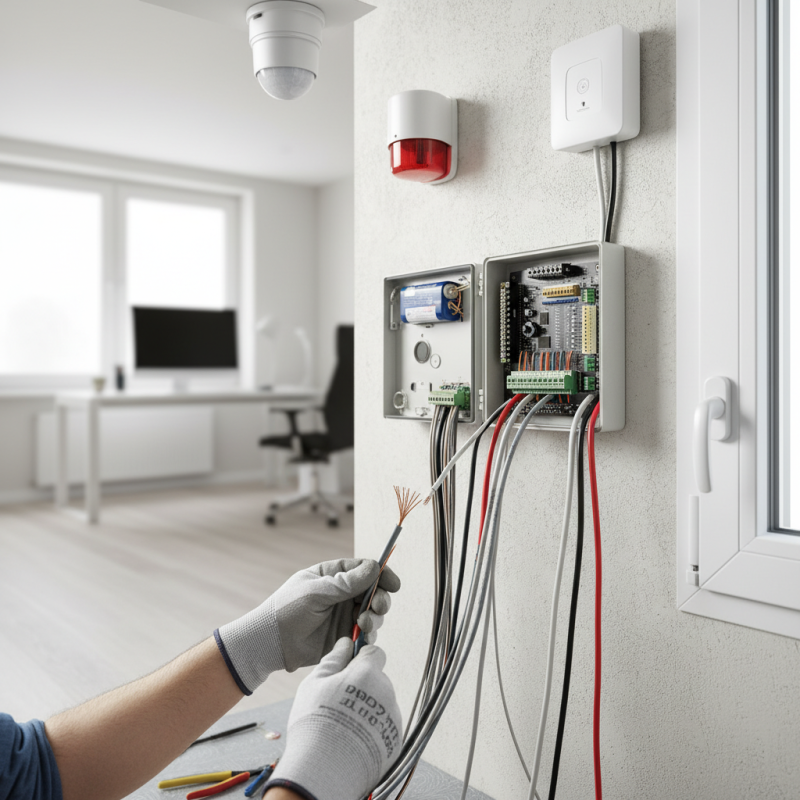
What is Alarm Cable: A Comprehensive Overview
Alarm cables are essential components in various security systems, designed to facilitate the transmission of signals between alarms and monitoring devices. Typically, these cables come in several types, such as twisted pair, coaxial, and shielded cables, each serving specific functions depending on the type of alarm system in use. According to a report from the Security Industry Association (SIA), the demand for reliable alarm systems has led to a surge in the development of advanced alarm cable technology, with the market expected to grow substantially at a compound annual growth rate (CAGR) of 6.1% through 2030.
The most common types of alarm cables include non-shielded twisted pair (UTP) cables, which are widely used for conventional alarm systems due to their cost-effectiveness and ease of installation. On the other hand, shielded cables provide additional protection against electrical interference, making them ideal for complex systems with higher security requirements. Installation best practices recommend using the correct cable type for specific applications, ensuring proper grounding, and adhering to local codes to enhance both safety and performance.
A report by MarketsandMarkets highlights that the increasing integration of smart technology into security systems is driving the need for higher-quality alarm cables, as they ensure dependable connectivity in an ever-evolving security landscape.
Types of Alarm Cables and Their Specific Applications
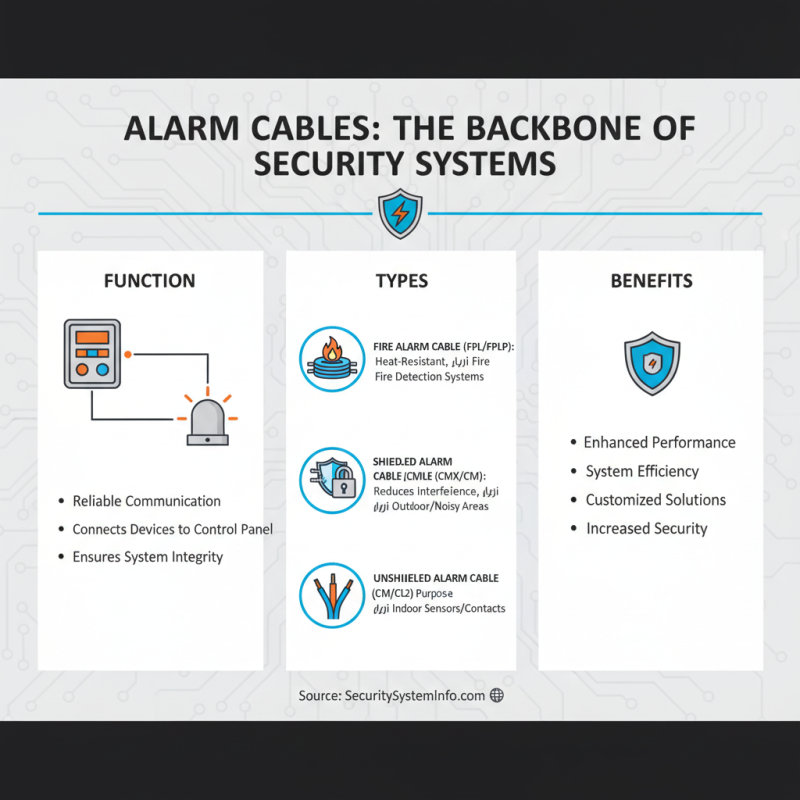
Alarm cables are fundamental components in various security systems, ensuring reliable communication between the alarm devices and the control panel. There are several types of alarm cables, each designed for specific applications, enhancing the performance and efficiency of security systems.
One common type is the unshielded twisted pair (UTP) cable, frequently used for connecting motion detectors, door sensors, and other alarm devices. Its design helps reduce interference and maintains signal integrity over long distances, making it suitable for both residential and commercial installations. Shielded cables, on the other hand, offer extra protection against electromagnetic interference, making them ideal for environments with high levels of electrical noise or for use in industrial settings.
Coaxial cable is another type that is often used in alarm systems, particularly for video surveillance applications. Its construction allows for the transmission of video signals over considerable distances without significant loss of quality. Additionally, there are specialized alarm cables, such as those designed for fire alarm systems, which include features like thermal insulation and fire-retardant materials. Understanding the specific applications of these alarm cables is crucial for selecting the right type, ensuring optimal performance and safety in security installations.
Key Features to Consider When Choosing Alarm Cable
When selecting alarm cable, several key features must be taken into account to ensure optimal performance and reliability. First and foremost, the gauge of the cable plays a crucial role in its efficiency. A lower gauge indicates a thicker wire, which can reduce resistance and power loss, especially over longer distances. For most alarm systems, a gauge between 18 to 22 is adequate, depending on the specific needs of the installation. Additionally, the cable's construction, including the number of conductors and whether it is shielded, can impact its overall effectiveness in noise reduction and signal clarity.
Another important consideration is the material of the cable. Copper is the preferred choice due to its excellent conductivity, but it's essential to evaluate whether a solid or stranded wire is more suitable for the application. Solid wires are often easier to work with in fixed installations, while stranded wires provide more flexibility, making them ideal for environments that require movement. Furthermore, environmental factors should not be overlooked; choosing a cable with appropriate insulation and weather resistance can greatly enhance its durability, particularly for outdoor installations or areas with high humidity. Selecting the right alarm cable based on these key features will significantly contribute to the long-term success of any security system.
What is Alarm Cable? Understanding Types, Uses, and Installation Tips - Key Features to Consider When Choosing Alarm Cable
| Type of Alarm Cable |
Usage |
Wire Gauge |
Installation Tips |
Key Features |
| Shielded Cable |
Intrusion alarms and sensors |
22 AWG |
Keep away from power lines to reduce interference |
Reduces electrical interference, enhances signal quality |
| Unshielded Cable |
Fire alarms |
18 AWG |
Use in low-interference environments |
Cost-effective, suitable for short runs |
| Coaxial Cable |
CCTV systems |
RG-59 |
Ensure proper connectors are used |
High bandwidth, suitable for video transmission |
| Twisted Pair Cable |
Alarm systems and data transmission |
24 AWG |
Twist pairs together to minimize noise |
Effective for long distances, resistant to crosstalk |
Installation Tips for Effective Alarm Cable Setup
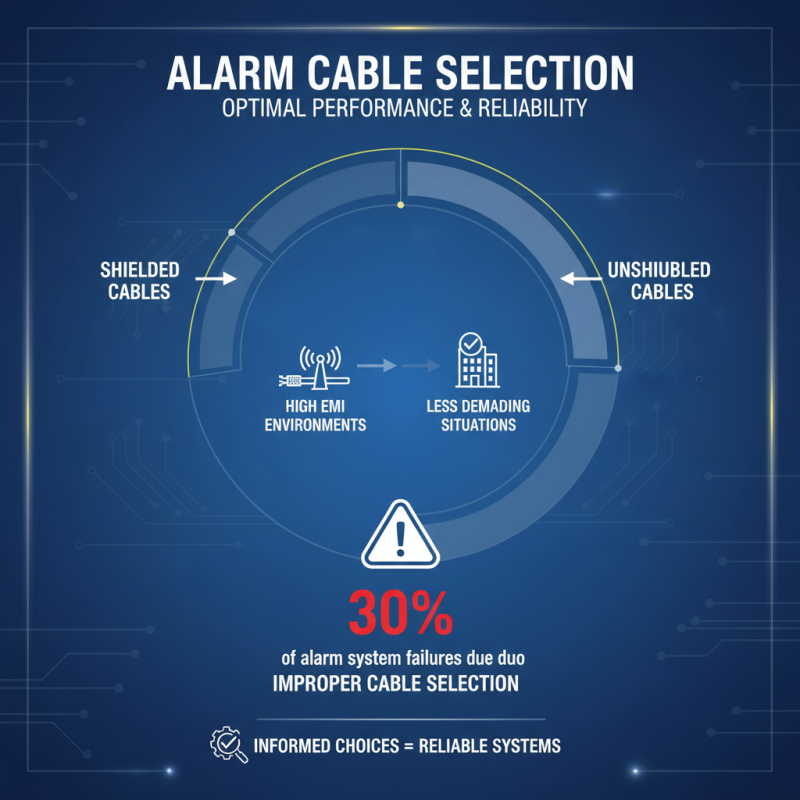
When installing alarm cable systems, ensuring optimal performance and reliability is paramount. One essential tip for effective installation is to select the appropriate type of alarm cable based on the specific needs of the security system. For instance, shielded cables are ideal for environments with high electromagnetic interference, while unshielded cables may suffice for less demanding situations. According to a recent industry report, nearly 30% of alarm system failures are linked to improper cable selection, emphasizing the importance of making informed choices during the installation process.
Another crucial aspect of installation is proper routing and securing of the cables. It's recommended to avoid exposing alarm cables to significant bending, twisting, or abrasions, as this can compromise their integrity and performance. Installing cables in conduits or using cable trays can provide additional protection while minimizing the risk of damage. Additionally, maintaining adequate spacing from power lines is vital to prevent interference, as studies suggest that proximity to electrical sources can lead to false alarms or degraded signal quality. Following these guidelines can significantly enhance the effectiveness of an alarm cable setup, ensuring a more secure environment.
Maintenance and Troubleshooting for Alarm Cable Systems
When it comes to alarm cable systems, maintenance and troubleshooting are crucial to ensure optimal performance and reliability. According to a report by the National Fire Protection Association (NFPA), improper maintenance can lead to a failure rate of up to 30% in alarm systems, emphasizing the need for regular inspections and updates. Key components such as connections, insulation integrity, and overall cable condition should be checked at least annually to prevent costly downtimes and ensure compliance with safety codes.
Troubleshooting alarm cable systems typically begins with identifying common issues such as connectivity problems, signal loss, or false alarms. Data from the Electronic Security Association (ESA) suggests that nearly 20% of alarm system faults can be traced back to issues in the cabling. Technicians often recommend using a multimeter to check for continuity and resistance, ensuring that the cables are functioning properly. Additionally, keeping the installation environment in mind—avoiding areas with excessive moisture or electromagnetic interference—can significantly reduce the likelihood of future complications. Routine testing, alongside proper installation techniques, can help maintain the integrity of the alarm cable system and enhance its longevity.