Understanding the Benefits of Underground Conduit for Safe Infrastructure?
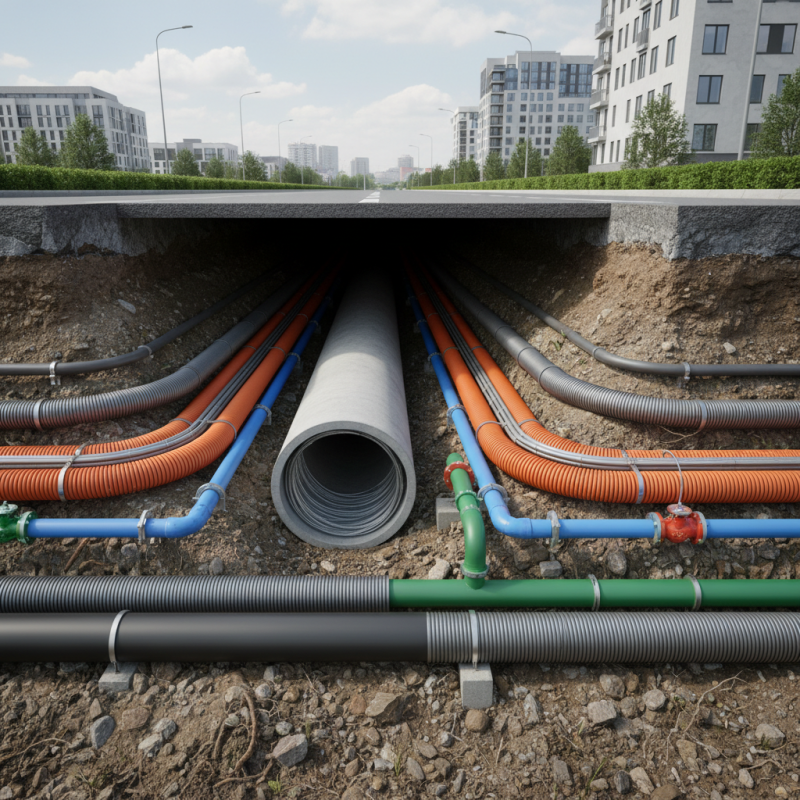
Underground conduit plays a crucial role in modern infrastructure. This system provides a safe environment for essential utilities. With growing urban areas, the need for protective measures intensifies.
By placing cables and pipes underground, cities can reduce hazards. Underground conduit helps prevent damage from severe weather. It shields critical lines from accidental breakage, promoting reliability. However, installation can be challenging and costly.
Many infrastructure projects overlook planning for underground conduit. Neglecting this aspect can lead to future complications. As we aim for safer cities, it’s essential to analyze both benefits and drawbacks. Understanding these points can guide better decision-making for urban development.
Benefits of Using Underground Conduit for Infrastructure Safety
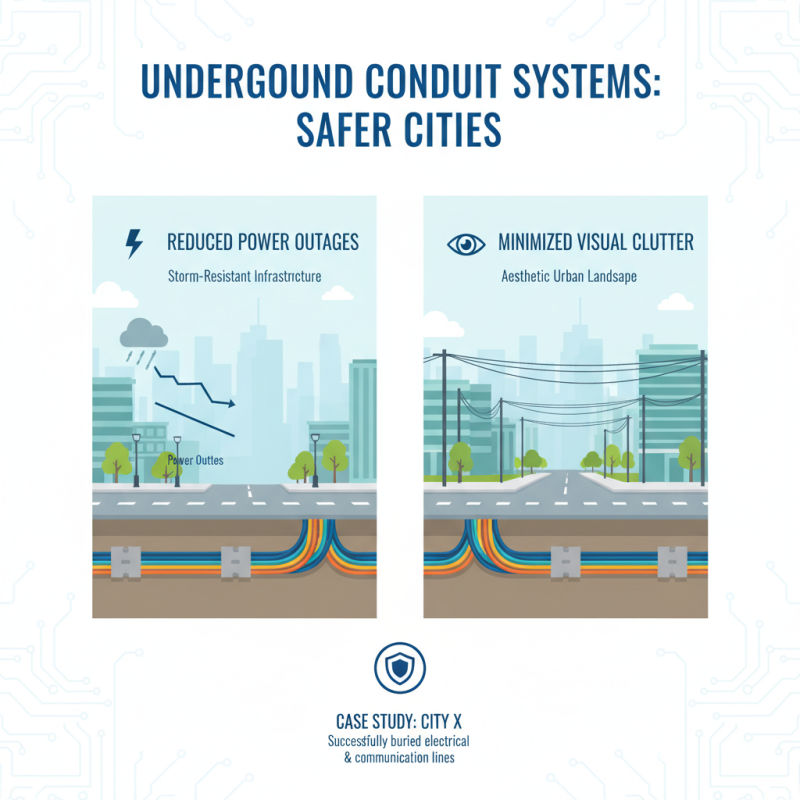
Underground conduits offer significant benefits for infrastructure safety. They protect vital electrical and communication lines from weather and physical damage. According to the National Electrical Contractors Association, buried cables experience 80% fewer outages compared to overhead lines. This statistic highlights the reliability of underground systems, crucial for urban resilience.
Additionally, underground conduits can reduce the risk of accidents. Above-ground infrastructure is prone to damage from storms and accidents. In urban settings, this risk is amplified. A study by the Institute for Business and Home Safety indicates that underground systems lower the likelihood of service interruptions during natural disasters. However, the installation of such conduits can involve higher upfront costs. Planning and zoning considerations often complicate these projects.
The long-term advantages usually outweigh initial expenses. Infrastructure operators can achieve lower maintenance costs and fewer disruptions. While some may view the challenges of underground installation as daunting, addressing these issues could lead to safer, more efficient urban environments. Continuous improvement in design and construction methods is crucial for maximizing the benefits of underground conduits.
Understanding the Benefits of Underground Conduit for Safe Infrastructure? - Benefits of Using Underground Conduit for Infrastructure Safety
| Benefit |
Description |
Impact on Safety |
| Protection from Weather |
Underground conduit shields cables from extreme weather conditions, reducing risk of damage. |
Enhances reliability and minimizes emergencies due to weather-related failures. |
| Reduced Exposure to Physical Damage |
Burial of conduits prevents accidental damage from vehicles and construction activities. |
Decreases incidents of outages and repairs. |
| Enhanced Aesthetics |
Concealing infrastructure underground improves the visual appeal of urban areas. |
Promotes community satisfaction and local pride. |
| Lower Maintenance Costs |
Underground systems typically require less frequent maintenance due to reduced exposure. |
Increases operational efficiency and cost savings. |
| Improved Safety for Workers |
Underground conduits provide a safer environment for maintenance personnel. |
Reduces the risk of accidents during maintenance and emergency interventions. |
Comparison of Underground vs. Above-Ground Infrastructure Solutions
Underground infrastructure solutions have gained traction in urban planning. Studies show that 70% of cities face congestion issues with above-ground systems. Traffic disruptions often occur due to repairs. When lines are underground, these disruptions diminish. High winds and storms can severely impact above-ground utilities. In contrast, underground systems often remain operational during severe weather.
While underground options provide safety, they come with a higher upfront cost. The installation can be 30-40% more expensive compared to above-ground solutions. Maintenance can also pose challenges. Identifying issues underground is more complex. Data from industry reports indicates that repairs can take 20% longer when infrastructure is buried. Yet, 62% of urban planners favor underground setups for longevity and resilience.
Above-ground solutions may seem quicker and cheaper, but they are often short-term fixes. Urban areas with heavy above-ground installations face issues like aesthetics and noise. Buried infrastructure provides a cleaner visual landscape. However, it requires continuous evaluation for effectiveness. Evaluating costs versus benefits is essential for urban growth. The conversation around underground versus above-ground infrastructure is ongoing and multifaceted.
Comparison of Underground vs. Above-Ground Infrastructure Solutions
This chart illustrates the benefits of underground conduit versus above-ground infrastructure solutions based on various criteria such as safety, maintenance cost, environmental impact, and aesthetic value.
Key Materials and Technologies for Underground Conduit Systems
Underground conduit systems play a crucial role in modern infrastructure. They provide protection for electrical, telecommunications, and water lines. The choice of materials can significantly influence the durability and reliability of these systems. Commonly used materials include PVC and HDPE. These materials are known for their resilience against various environmental conditions.
Technologies continue to evolve, enhancing the effectiveness of underground conduit installation. Trenchless technology allows for installation with minimal disruption to the surface. This method reduces the risk of damage to existing utilities. Yet, developing this technology poses challenges. Not all contractors are equipped with the necessary skills or tools.
Monitoring and maintenance are essential but often overlooked. Regular inspections help identify potential issues within the conduits. Investing in monitoring tools can prevent major failures later. However, many still neglect this aspect, leading to costly repairs. Maintaining underground systems is an ongoing commitment that requires attention and resources.
Impact of Underground Conduit on Urban Planning and Development
Urban planning faces numerous challenges, and underground conduits offer innovative solutions. These conduits can house essential services like water, electricity, and data. By placing these utilities underground, cities can reduce street clutter. This opens up more space for parks and pedestrian areas. However, the integration of such systems is not without issues.
One concern is the initial cost of installation. Costs can be high, impacting budgets significantly. Additionally, after installation, maintenance can be complicated. Accessing underground conduits for repairs may disrupt daily life. City planners must balance these factors when considering underground systems.
Moreover, while underground conduits can streamline city layouts, they also require careful planning. Improper placement may lead to conflicts with existing infrastructure. This can result in operational delays or increased costs later. The benefits are clear, but the path to effective implementation must be navigated thoughtfully.