Top 10 Benefits of Using Cable Looms in Your Projects?
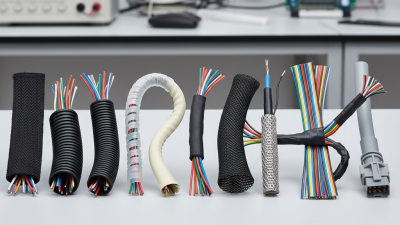
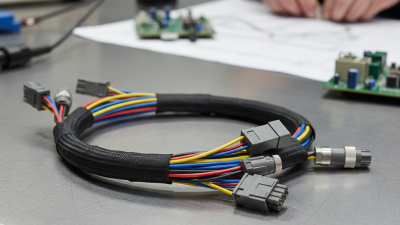
In modern projects, organizing cables can be a daunting task. This is where a cable loom makes a significant difference. A cable loom serves as an effective solution for managing multiple wires and cables in a neat, efficient manner.
Using cable looms ensures that cables are protected and easily identifiable. The risk of damage and tangles decreases significantly. Moreover, they offer an aesthetically pleasing way to manage wires. This can enhance not just functionality but also the overall appearance of your project.
However, it's important to note that not all projects may benefit from cable looms in the same way. While they are highly useful, their application requires careful consideration. Understanding the specific needs of your project will lead to better outcomes. Balancing convenience with practicality is crucial. Cable looms are an excellent tool for streamlining cable management, but they are not a one-size-fits-all solution.
Advantages of Using Cable Looms for Project Efficiency
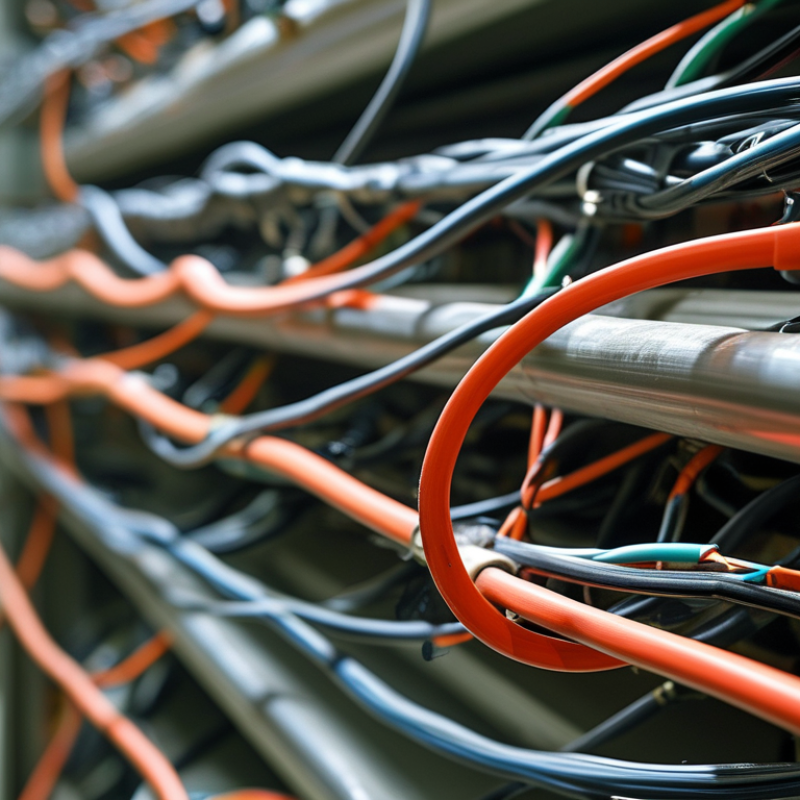
Cable looms provide a structured way to manage electrical wiring in various projects. This organization improves not just aesthetics but also functionality. By bundling cables together, looms reduce the chances of interference, which can lead to signal degradation. Neat installations make maintenance easier and help identify issues quickly.
Efficiency is a significant benefit of using cable looms. They streamline the wiring process, saving time during assembly and installation. A well-loomed project can prevent time-consuming troubleshooting later. Additionally, looms can offer added protection for cables, guarding them against wear and tear. However, it’s crucial to ensure proper sizing and compatibility with your project needs.
While cable looms can enhance performance, they require careful consideration in design. There can be challenges like improper routing or inadequate ventilation, which can lead to overheating. Taking time to plan and evaluate your approach can help avoid these pitfalls. Embracing these tools can lead to a more efficient workflow, ensuring that your projects run smoothly and effectively.
Enhancing Organization and Tidiness with Cable Looms
Incorporating cable looms in your projects enhances organization and tidiness. These looms help you bundle wires together, minimizing mess. A tidy workspace boosts efficiency. When your cables are organized, it's easier to locate and troubleshoot issues. Visually appealing setups can impress clients or stakeholders too.
Using cable looms also protects wires from wear. Tangled or exposed cables are prone to damage. By securing them in a loom, you extend their lifespan. Consider using color-coded looms for quick identification. This practice not only streamlines your work but also reduces the chances of mistakes.
It's worth noting that while cable looms offer many benefits, they require proper installation. Misrouting cables can lead to complications. Take the time to plan your layout carefully. Reflect on the arrangement as you work. Sometimes, it's beneficial to step back and reevaluate your organization strategy. An organized workspace is a reflection of your professional approach.
Top 10 Benefits of Using Cable Looms in Your Projects
Improving Safety and Minimizing Hazards with Cable Looms
Cable looms are essential in ensuring safety within any project. By organizing and protecting wires, they reduce the risk of electrical hazards. Stray wires can lead to short circuits and even fires. A neatly arranged cable loom decreases the chance of accidents. Every cable is shielded and secured, enhancing workplace safety.
Proper use of cable looms improves efficiency too. When cables are well-organized, it simplifies maintenance and troubleshooting. Workers can quickly identify issues without sifting through tangled wires. However, not all cable installations go as planned. Sometimes, poor installation may leave sections exposed. It's crucial to regularly check and reinforce these areas.
Additionally, a well-implemented cable loom can help prevent wear and tear. When cables rub against surfaces, it increases the risk of insulation damage. A protective loom minimizes this friction and extends the life of electrical components. However, it requires ongoing attention to detail. If maintenance is neglected, problems may still arise despite the loom’s presence. Being proactive can ensure that safety remains the top priority.
Facilitating Maintenance and Upgrades Using Cable Looms
Using cable looms in your projects can greatly facilitate maintenance and upgrades. A well-organized cable loom keeps wires bundled together, reducing clutter and making it easier to spot issues. When troubleshooting, having cables neatly arranged saves time and effort. Technicians can quickly identify and access the necessary connections without sifting through a tangled mess.
For better efficiency, label cables at both ends. This practice simplifies future modifications or repairs, ensuring that anyone can follow the setup easily. Accurate labeling helps in understanding the system at a glance. Missing labels can lead to frustration and additional downtime during maintenance.
Always consider future upgrades when designing your cable loom. Leave extra length in cables to allow for changes without needing to replace them entirely. Planning for scalability means that as projects evolve, adding new components becomes seamless. Reflecting on past projects can help identify where these improvements are necessary. A few inches can make a significant difference in flexibility.
Top 10 Benefits of Using Cable Looms in Your Projects
| Benefit |
Description |
Impact on Projects |
| Improved Organization |
Cables are bundled neatly, reducing clutter. |
Easier to manage and navigate the workspace. |
| Enhanced Safety |
Minimizes the risk of tripping hazards from loose cables. |
Creates a safer working environment. |
| Easy Maintenance |
Simplifies the identification and access to cables. |
Reduces downtime during repairs or upgrades. |
| Aesthetics |
Cables look tidier, improving the overall appearance of the project. |
Creates a more professional and polished look. |
| Reduced Wear and Tear |
Looms protect cables from abrasion and stress. |
Prolongs the lifespan of cables. |
| Customizability |
Looms can be tailored to fit specific project needs. |
Increases versatility of installation options. |
| Easier Upgrades |
Facilitates the addition of new cables or devices. |
Streamlines future project expansions. |
| Temperature Management |
Looms can help manage cable temperatures. |
Ensures optimal performance of cables. |
| Cost-Effectiveness |
Reduces the need for frequent replacements. |
Saves money on repairs and replacements. |
| Standardization |
Encourages the use of uniform cable types. |
Improves interoperability within systems. |
Reducing Installation Time and Effort Through Cable Looms
Cable looms significantly reduce installation time and labor costs in various projects. According to industry reports, organized wiring through cable looms can cut installation time by up to 30%. This efficiency stems from their ability to streamline cable management. A project that might take days can often be completed in a matter of hours when using looms. This is particularly crucial in complex environments like automotive or industrial installations.
Additionally, cable looms enhance reliability by minimizing the risk of wire damage and signal interference. Installed cables are less likely to get tangled or pinched, providing peace of mind that connections will remain intact. A survey of electrical contractors revealed that 75% noted a decrease in post-installation issues with organized cable looms. However, improper installation or selection of looms can lead to complications. Recognizing the right loom for the specific application is critical for maximizing their advantages. Each project presents unique challenges, and reflection on past installations can offer insights into optimal practices going forward.