Best Longitudinal Cutting Machine for Your Manufacturing Needs?
Choosing the right Longitudinal Cutting Machine is crucial for any manufacturing operation. These machines play a vital role in improving efficiency and ensuring precise cuts. As industries evolve, manufacturers face new challenges. Finding a machine that meets specific production needs can be daunting.
A Longitudinal Cutting Machine must cater to various materials, such as paper, textiles, and metals. Not all machines are created equal; some are better suited for heavy-duty tasks. Evaluating machine features and reliability is essential. Users often report frustration with machines that fail to perform consistently. That inconsistency can lead to waste and increased costs.
Investing in a high-quality Longitudinal Cutting Machine is not just about the purchase price. Long-term performance and maintenance play a significant role. Manufacturers need to consider service options and support available after the sale. Without reliable support, even the best machines can become a liability over time. An informed choice can enhance productivity while minimizing downtime.
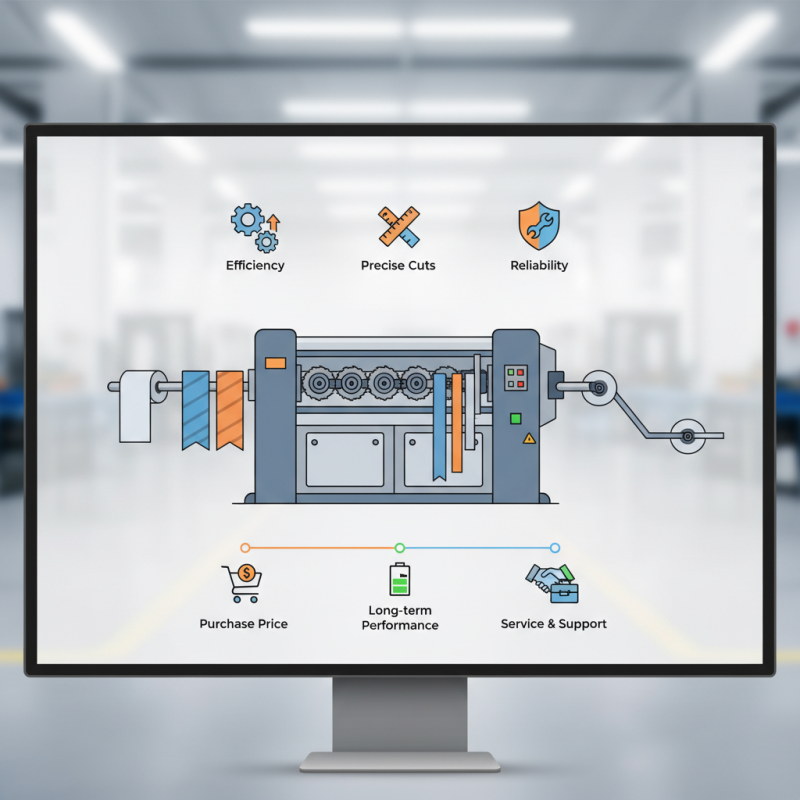
Overview of Longitudinal Cutting Machines in Manufacturing
Longitudinal cutting machines play a vital role in modern manufacturing. They are essential for processing materials like metal, plastic, and paper. According to a report from the International Journal of Advanced Manufacturing Technology, efficient cutting enhances productivity by up to 30%. This increase is crucial for manufacturers aiming to optimize their operations.
When selecting a longitudinal cutting machine, consider its specifications and capabilities. Factors like cutting speed, precision, and ease of maintenance are critical. A well-functioning machine can greatly reduce waste and improve safety. Always consult industry benchmarks and performance reviews when making your choice.
Tip: Regular maintenance is key. It ensures your machine operates at peak performance. Small issues can lead to larger problems if ignored. Also, don’t hesitate to seek expertise when needed. The right guidance can save time and costs in the long run.
Factors to Consider When Choosing a Longitudinal Cutting Machine
When selecting a longitudinal cutting machine, several key factors should be considered. The material type plays a crucial role. Different materials, such as plastic, metal, or paper, require specific cutting techniques. The thickness of the material directly impacts the cutting pressure needed. According to industry reports, improper pressure can lead to material deformation and increased waste.
Speed and precision are also pivotal. A machine's cutting speed must align with production goals. Faster isn’t always better if it compromises accuracy. Research indicates that even a slight decrease in accuracy can result in a 5-10% increase in operational costs due to rework.
Tip: Always assess machine versatility. A multi-functional machine can adapt to varying production needs, reducing the need for multiple setups.
Another significant factor is maintenance. Regular upkeep can extend the lifespan of your machine and maintain cutting quality. Industry findings highlight that machines with high durability help minimize downtime.
Tip: Make sure to have a reliable service plan. Quick access to technical support can mitigate potential issues before they escalate.
Top Brands and Models of Longitudinal Cutting Machines
When selecting a longitudinal cutting machine, it's crucial to assess your manufacturing needs thoroughly. Consider factors such as the material type and thickness. Different machines perform better with various substrates. Some may handle thin films, while others excel with thicker materials. This specificity impacts your production efficiency.
Tip: Always review user feedback on machine performance. Real-world experiences can highlight potential issues. Look for insights into machine reliability and ease of use.
Top brands offer a variety of models equipped with advanced technology. Many machines feature automatic adjustments for precision cutting. This reduces the chance of errors during production. However, features can add complexity. Operators may need extensive training to maximize these functions.
Tip: Test machines before purchasing. A hands-on experience can reveal if the machine meets your expectations. Consider scheduling a demo to understand its operation better.
Choosing the best model involves balancing features, cost, and user-friendliness. Some high-end machines promise exceptional performance but come at a steep price. Reflect on whether these capabilities align with your production goals. Each choice should support your efficiency and product quality.
Comparative Analysis of Features and Performance
When selecting a longitudinal cutting machine, consider the diverse features and performance metrics that define the best option for your manufacturing needs. According to a recent industry analysis, efficiency is a crucial factor. Machines with advanced automation can improve cutting precision by up to 30%. Such enhancements minimize waste and reduce overall production costs.
It's essential to evaluate various performance aspects. Speed often correlates with productivity. Machines that cut at over 100 meters per minute are ideal for high-volume tasks. However, it’s vital to balance speed with accuracy. Too much focus on speed can compromise the quality of the cut, leading to increased rework. This trade-off is a common reflection point for manufacturers.
Tip: When assessing machines, conduct a thorough analysis of your materials' compatibility to avoid operational issues. Additionally, prioritize machines with good after-sales support. While initial cost is important, investing in reliable service contributes to long-term gains. Remember, the best machine is not always the most expensive; it’s the one aligned with your specific operational goals.
Maintenance and Best Practices for Longevity of Cutting Machines
When it comes to the longevity of cutting machines, proper maintenance is key. Regular servicing can increase a machine's lifespan significantly. According to industry reports, maintenance costs account for up to 30% of total equipment operating costs. A well-maintained machine can operate efficiently up to 20% longer than one that isn’t cared for.
To ensure optimal performance, operators should conduct daily inspections. Check for wear in cutting blades and lubricate moving parts. Using the right lubricant improves efficiency while reducing friction. Regularly replacing worn-out components also cuts down unexpected downtimes. Consider implementing a training program for staff. Educated employees can spot issues early.
Tip: Always keep a maintenance log. Record every service and replacement. This practice not only helps track expenses but also provides data to identify patterns. Review the log to find recurring issues that may indicate a larger problem. It's an effective way to anticipate failures before they disrupt production.
Finally, remember, even the best machines require adjustments. Factors like humidity and environment can impact performance. Regularly re-calibrating settings ensures precision and efficiency in operations. This attentive approach pays off in reliability and productivity.

