How to Choose the Best Wire Zip Ties for Your Projects?
Choosing the best wire zip ties can be a daunting task. With so many options available, it's crucial to understand their uses. Wire zip ties are essential for organizing and securing items efficiently. They are often used in various projects, from home repairs to professional installations.
Recognizing the right type of wire zip tie is vital. Their strength, length, and material can make a significant difference in performance. Some ties are designed for heavy-duty applications, while others are meant for light use. It's important to assess your specific needs before making a choice.
Despite their simplicity, the variety in wire zip ties can lead to confusion. You may find yourself questioning which ones to trust. Researching products and reading user experiences can provide valuable insights. Choosing the wrong wire zip tie might not just be a minor setback; it may lead to project failures. Knowing the right fit for your projects fosters confidence and enhances overall results.
Understanding the Different Types of Wire Zip Ties Available
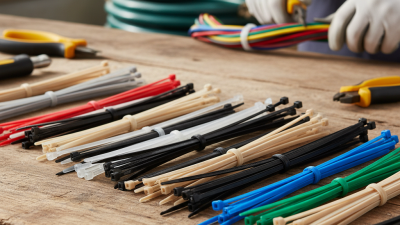
Wire zip ties are versatile tools used in various projects, from organizing cables to securing items. Understanding the different types available can greatly enhance your choice. Generally, wire zip ties come in two main categories: insulated and non-insulated. Insulated ties are ideal for electrical applications, as they help prevent shorts. Non-insulated ties, on the other hand, are robust and suitable for general purposes.
Different materials impact the performance of wire zip ties. Nylon ties are common and suitable for indoor use. They can handle moderate temperatures. Stainless steel ties offer high strength and are excellent for outdoor projects. But these can be challenging to cut and may require special tools. For high-stress situations, consider metal zip ties. They provide ultimate durability but can be expensive.
It’s essential to consider the length and width of the ties, as these affect their load-bearing capacity. Short ties may work for small tasks, while longer ones fit larger bundles or heavier items. Some users might overlook the importance of choosing the right size, leading to frustration later. Experimenting with various types can also reveal what works best, although this may initially seem wasteful. It’s a learning process that sometimes includes mistakes, which are vital for improvement.
Evaluating the Strength and Durability of Wire Zip Ties
When selecting wire zip ties, strength and durability are crucial factors. Strong ties can handle heavy loads without snapping. They are essential for both home projects and industrial applications. A tie that can withstand extreme temperatures or harsh conditions will ensure longevity. Opting for higher tensile strength, measured in pounds, is a good practice. It's worth checking the manufacturer's specifications to guarantee reliability.
Durability also involves material choice. Materials like nylon or stainless steel have distinct advantages. Nylon ties are flexible and resistant to UV rays. They work well for outdoor use. Stainless steel ties, though more rigid, offer superior strength in extreme conditions. However, they can be overkill for simple tasks. A balance must be struck based on project requirements.
Consider practical aspects as well. The ease of installation matters. Some ties can be difficult to manipulate, leading to frustration. Testing a few on various materials can guide your decision. Not every wire tie performs well under pressure. Reflect on past experiences. Did any ties fail to meet expectations? Learning from these moments can lead to better future choices.
How to Choose the Best Wire Zip Ties for Your Projects? - Evaluating the Strength and Durability of Wire Zip Ties
| Tie Length (inches) |
Maximum Load Capacity (lbs) |
Material |
UV Resistance |
Temperature Range (°F) |
| 4 |
50 |
Nylon 66 |
Yes |
-40 to 185 |
| 8 |
75 |
Stainless Steel |
Yes |
-60 to 300 |
| 10 |
90 |
Polypropylene |
No |
-20 to 120 |
| 12 |
100 |
Nylon 6 |
Yes |
-40 to 215 |
| 14 |
125 |
Glass-Filled Nylon |
Yes |
-40 to 230 |
Considering the Size and Length for Specific Applications
When selecting wire zip ties, size and length are critical for effective application. A standard size might be 7 inches, but specific projects may demand longer or shorter ties. For instance, when bundling cables, longer ties provide flexibility while shorter ones are ideal for compact arrangements. The right length can enhance both functionality and aesthetics. According to industry studies, using appropriately sized zip ties can reduce material waste by 15-20%.
In various scenarios, using the wrong size can lead to complications. Oversized ties may create slack, while undersized ties can strain and break. A recent report indicated that 30% of zip tie failures occur due to incorrect sizing. Understanding the specifics of your project helps in making informed choices. For larger bundles, consider ties that can accommodate volume without compromising strength.
The choice of size also intersects with material specifications. Nylon zip ties usually come in varied sizes to cater to different applications, but they may not always be suitable for high-temperature environments. Reviewing application requirements is essential. Many users overlook these factors, leading to suboptimal performance. Choosing the right size and length truly matters in ensuring project success.
Examining the Material and Corrosion Resistance Features
Choosing the right wire zip ties requires careful consideration of materials and corrosion resistance. Materials like nylon, stainless steel, and even UV-resistant options are prevalent. Nylon ties are flexible and economical, but they may not withstand harsh conditions. Stainless steel ties offer superior strength and resist corrosion. However, they can be more difficult to handle due to their rigidity.
Corrosion resistance is a critical feature in outdoor or industrial settings. Even high-quality zip ties can fail if they corrode quickly. Look for ties specifically designed for outdoor use; they often possess enhanced resistance to moisture and salt. Reflect on the project’s environment before making a choice. Will it endure exposure to chemicals or extreme weather?
Buying decisions might hinge on these characteristics. Some ties might be easier to install but lack durability. Others may be robust but cumbersome. Balancing ease of use with material performance is essential. Finding the right zip tie is not just about load-bearing capacity; it encompasses reliability under specific conditions.
Assessing the Temperature Tolerance and Environmental Factors
Choosing the right wire zip ties for your projects requires careful consideration of environmental factors. Temperature tolerance is crucial, as zip ties can become brittle in extreme cold or lose strength in high heat. Make sure to check the operating temperature range. Using zip ties outside can lead to degradation from UV exposure. Select ties specifically designed for outdoor use if that's your plan.
When assessing the materials, nylon is common but varies in quality. Some nylon blends offer better UV resistance than others. It’s essential to understand the specific conditions your project will face. High humidity or exposure to chemicals can also affect zip tie performance.
A good strategy is to conduct tests before finalizing your choice. Attach various ties in representative environments and monitor their performance. Document what works best for your application. Have a backup option ready. Relying on a single type could lead to failure in critical situations. Understanding these factors enhances project reliability, ensuring lasting results.