How to Choose the Best Wire Puller for Your Electrical Projects
When embarking on electrical projects, selecting the right tools is crucial for ensuring efficiency and safety. One of the most essential tools in an electrician's arsenal is the wire puller. According to Joseph Carr, a leading expert in the field of electrical installations, "The right wire puller can make the difference between a quick, hassle-free installation and a nightmare of tangled cables." This emphasizes the importance of not only knowing how to use a wire puller but also how to choose the best one for your specific needs.
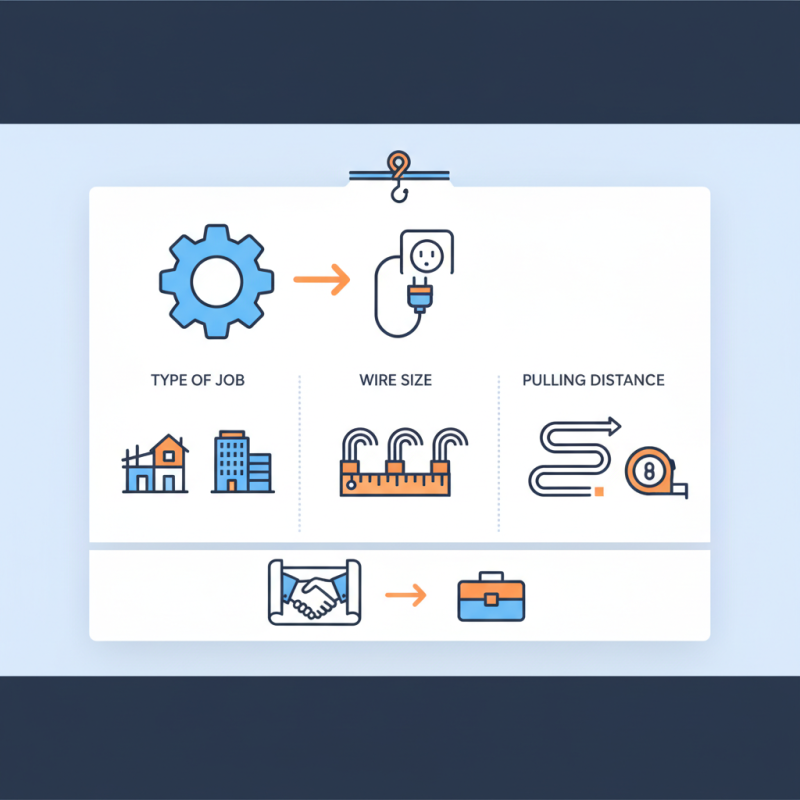
Understanding the features and specifications of various wire pullers can be overwhelming for both novices and seasoned professionals. With a myriad of options available, it is vital to consider factors such as the type of job, wire size, and pulling distance. This guide aims to help you navigate through the selection process, offering insights that will ensure you choose a wire puller that maximizes your productivity while minimizing effort.
As the demand for efficient electrical installations continues to grow, the role of the wire puller remains indispensable. By investing the time to understand how to select the right tool, you can enhance your workflow, achieve better results, and ultimately elevate the quality of your electrical projects.
Understanding the Basics of Wire Pullers for Electrical Work
When embarking on electrical projects, understanding the various types of wire pullers is essential for optimizing efficiency and ensuring a smooth installation process. Wire pullers, also known as wire tugging tools, are designed to assist in pulling electrical wire through conduits and tight spaces, reducing the strain on both the wire and the installer. Familiarity with the basic mechanisms, such as cable grips, fish tapes, and pulling eyes, can greatly enhance a worker's ability to navigate complex wiring setups.
The selection of the right wire puller often depends on the specific requirements of the job at hand. Key factors to consider include the type of wire being installed, the length of the conduit, and the presence of any bends or obstacles within the path. A good understanding of these elements allows for the choice of a wire puller that can handle the necessary tension without compromising the integrity of the wire. Overall, proper tools and knowledge can lead to a more efficient and less labor-intensive installation experience.
Types of Wire Pullers: Manual vs. Powered Options
When selecting a wire puller for your electrical projects, understanding the differences between manual and powered options is essential.
Manual wire pullers are typically lightweight and portable, making them ideal for smaller jobs or tight spaces. They operate through a simple mechanical system that allows users to pull wires with their own strength. This option is great for those who prefer a hands-on approach and want to maintain control over the pulling process.
On the other hand, powered wire pullers offer a more efficient solution for larger projects where speed and strength are crucial. These tools use electric or hydraulic systems to exert significant force, allowing for quick and effortless wire installations. Powered pullers are particularly beneficial for longer distances or when dealing with thicker cables, saving you time and energy.
Tips for Choosing the Right Option: Consider the scale of your project and the environment in which you'll be working. If you often find yourself in confined spaces, a manual puller might be more convenient. However, if your projects involve longer runs or heavier loads, investing in a powered puller can drastically improve your workflow. Always ensure you check the maximum pull capacity of the tool to avoid overloading it, and be mindful of the specific wire types you’ll be working with to enhance efficiency.
Key Features to Consider When Selecting a Wire Puller
When selecting a wire puller for electrical projects, several key features should be considered to ensure efficiency and safety. One of the most critical aspects is the puller’s capacity, which should align with the specific application requirements. According to a report by the National Electrical Contractors Association, a wire puller's capacity needs to exceed the maximum weight of the wire to prevent breakage or equipment malfunction. Typically, pullers are rated based on the maximum pulling force, so it is vital to choose a model that offers at least a 20% greater capacity than what the job demands.
Another important feature to evaluate is the type of cables that the wire puller can accommodate. Different projects may involve various insulation types and sizes, and not all pullers are versatile enough to handle these variations. Industry research indicates that wire pullers should ideally support a range of wire sizes, from smaller gauge cables (like 14 AWG) to larger ones (up to 2/0 AWG or higher), depending on the specific electrical work being conducted. Furthermore, ease of operation and the presence of user-friendly features, such as adjustable grips and simple locking mechanisms, can greatly enhance usability in tough job site conditions, where efficiency can profoundly impact productivity.
How to Calculate the Required Pulling Strength for Your Project
When selecting the best wire puller for your electrical projects, calculating the required pulling strength is crucial. According to the National Electrical Contractors Association (NECA), the pulling force needed depends on various factors including the type and size of the wire, the length of the run, and the number of bends in the conduit. For instance, thinner wires or those with a smoother insulation surface generally require less pulling force, while larger gauge wires or those with rugged insulation can increase the necessary strength significantly.
Industry reports indicate that the average pulling force required for standard cables can range from 2 to 8 pounds per 1,000 feet for a straightforward run, but this can escalate due to obstacles like conduits with bends or tight spaces. To achieve effective wire pulling, professionals often follow guidelines suggesting that pulling forces should not exceed 25 pounds per cable to avoid damage. This adherence to best practices not only ensures the integrity of the wire but also enhances the efficiency of the installation process. By accurately assessing these metrics before beginning your project, you can select a wire puller that meets your specific needs, ensuring a smooth execution of your electrical work.
Safety Tips for Using Wire Pullers Effectively in Electrical Tasks
When using wire pullers for electrical tasks, safety should always be your top priority. First and foremost, ensure that you are wearing the appropriate personal protective equipment (PPE). This includes insulated gloves to protect against any accidental contact with live wires, safety glasses to shield your eyes from potential debris, and sturdy footwear to protect your feet from heavy equipment. Additionally, inspect your wire puller before each use for any signs of damage. A compromised tool can lead to mishaps, particularly when dealing with high-voltage environments.
Understanding the correct technique for using a wire puller is equally important. Start by securely anchoring the puller to prevent it from slipping during use. Always pull the wire at a steady and consistent pace; jerky motions can lead to wire damage or even accidents. If you encounter resistance while pulling, do not force the wire; instead, assess the situation, as there may be obstacles that need to be addressed. A calculated approach will not only ensure your safety but also the integrity of your electrical project.
Wire Puller Safety Tips and Effectiveness