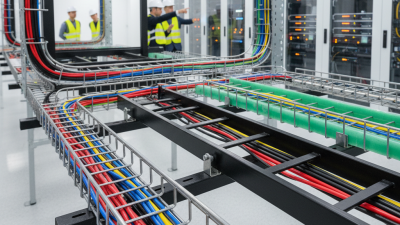
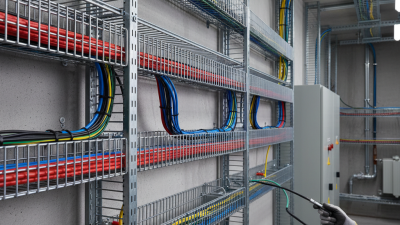
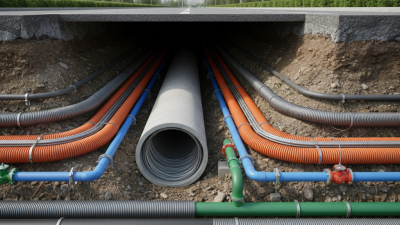
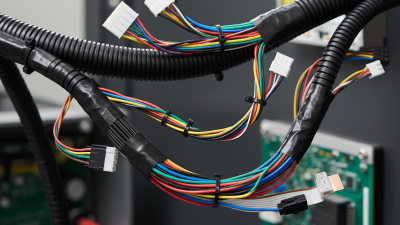
Choosing the right cable tray for your project is crucial. There are many options available, making it overwhelming. Each type offers unique benefits tailored to specific needs. Your choice can affect installation efficiency and system durability.
When selecting a cable tray, consider the environment. Is it indoors or outdoors? Will it face extreme temperatures or moisture? Each aspect influences the material you should choose. For example, aluminum trays are lightweight and resist corrosion, while steel trays offer strength.
While aesthetics might matter, functionality is key. Think about the cable load and future expansion. Some may overlook this, leading to inadequate support down the line. Making a thoughtful decision today can save time and money later. Balancing between cost and quality often requires reflection.
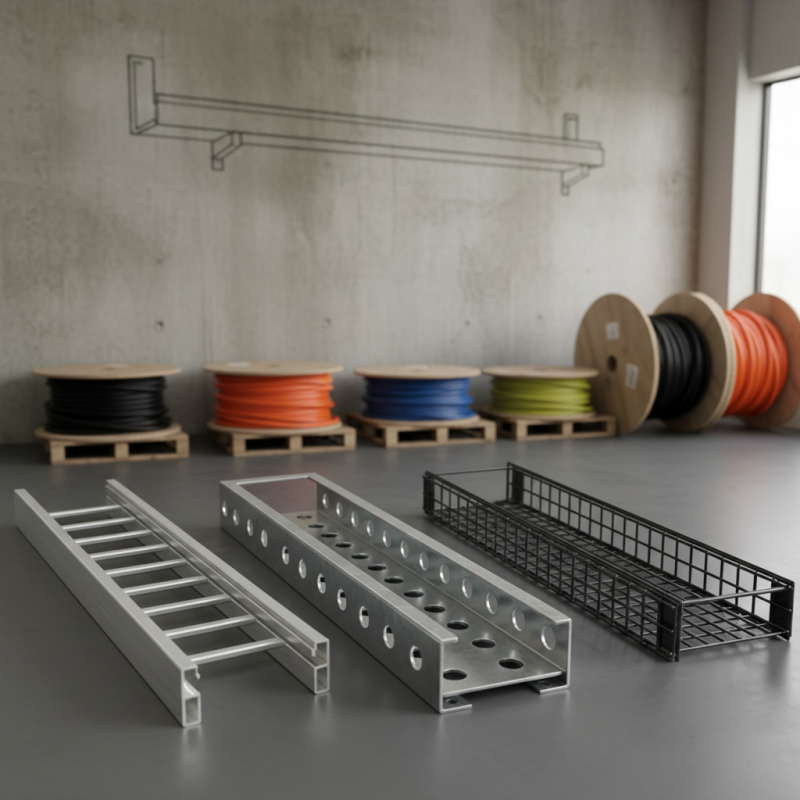
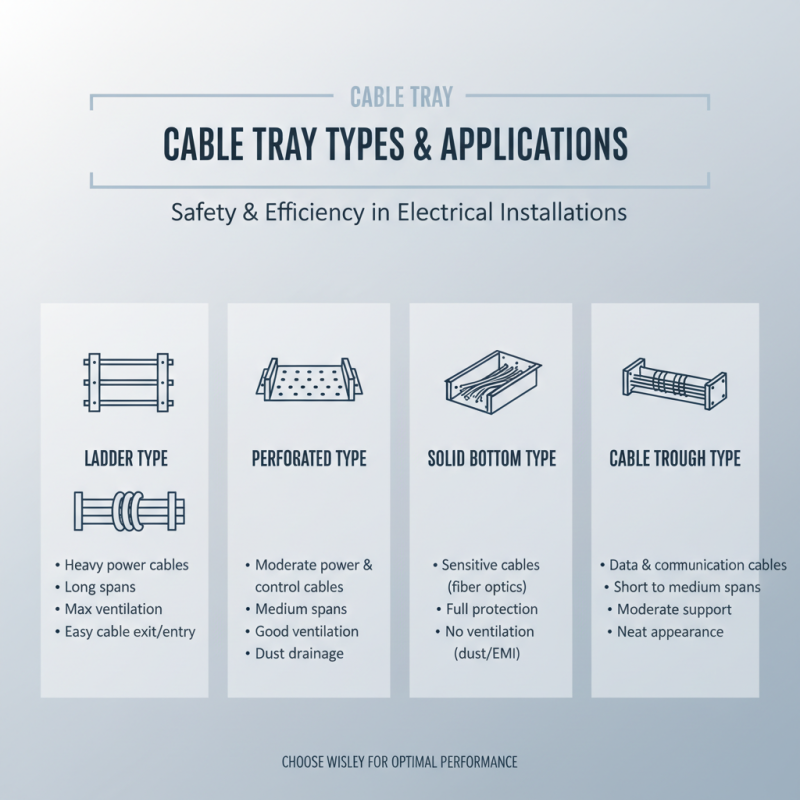
Choosing the right cable tray is essential for any electrical installation project. Understanding cable tray types and their applications can significantly impact both safety and efficiency. There are several types of cable trays: ladder, perforated, solid bottom, and cable trough. Each type serves specific purposes and comes with unique advantages.
For example, ladder trays are ideal for heavy-duty applications, allowing easy heat dissipation and ventilation. According to the National Electrical Manufacturers Association (NEMA), proper cable management can reduce maintenance costs by up to 30%. On the other hand, solid-bottom trays protect cables from external elements but may retain heat. Choosing the appropriate type can influence both longevity and performance.
Tips: Always assess the environment where the tray will be installed. Consider dust, moisture, and temperature extremes. Choosing the right material, such as aluminum or steel, is also critical. Some professionals overlook this aspect. It’s essential to conduct thorough calculations regarding load capacity to avoid future issues. Checking local codes and standards is necessary for compliance. Ignoring these factors can be costly, leading to unsafe installations that may require costly retrofits.

When selecting a cable tray, evaluating load-bearing capacity is crucial. You must know the weight of the cables and other components. This ensures that your cable tray can handle the load without risk of failure. A tray that cannot support your needs can lead to accidents or costly repairs.
Tips: Always calculate the total weight of the cables you plan to use. Consider additional factors like environmental conditions that may impact load capacity.
Different materials offer varied load-bearing capacities. Steel trays are strong but heavier. Aluminum trays are lighter, yet they can still provide decent support. Assess your project requirements carefully. What is the installation environment? Indoor spaces might not need as much strength as outdoor installations.
Tips: Check manufacturer specifications to understand load ratings. Don't underestimate the importance of proper installation. A poorly installed tray can fail, regardless of its material strength.
Selecting the right material for a cable tray is crucial. Different environments demand different materials. For example, non-corrosive materials are essential in humid areas. Steel, aluminum, and fiberglass are common choices. According to industry reports, steel trays have a lower initial cost, yet they may require coatings for corrosion resistance.
Aluminum, while lighter, can be more expensive. It offers natural resistance to corrosion. In environments where weight is a concern, aluminum is ideal. For harsh conditions, fiberglass might be the best option. It can withstand extreme temperatures and chemical exposure. A recent study highlighted that about 30% of installations fail due to improper material choices.
Keep in mind installation processes. Weight and handling impact labor costs. If trays are too heavy, they require more effort to install. This can affect deadlines. Additionally, consider the long-term durability. Saving money initially doesn't always lead to savings over time. Evaluate your project's specific needs closely. A hasty decision can lead to future complications.
| Material | Corrosion Resistance | Load Capacity | Cost | Applications |
|---|---|---|---|---|
| Steel | Moderate | High | Low | Industrial settings |
| Aluminum | High | Moderate | Moderate | Outdoor and coastal environments |
| Fiber Reinforced Polymer (FRP) | Very High | Low | High | Chemical processing plants |
| Plastic | High | Low | Very Low | Light-duty applications |
When choosing a cable tray, environmental conditions play a crucial role. Factors like humidity, temperature, and exposure to chemicals must be considered. For instance, if the installation is in a damp area, corrosion-resistant materials are essential. Regular maintenance is also required to ensure functionality in such environments.
Tips: Always evaluate the specific environment. Analyze potential hazards that could affect the tray. If you're unsure, consult an expert. Keep in mind that even the best materials can fail if not suited to the environment.
Another consideration is temperature. Extreme heat or cold can affect cable performance. This could lead to fire hazards or overheating. It's vital to select trays that can withstand these fluctuations.
Tips: Look for cable trays with insulation properties. Ensure that the installation site allows for air circulation. Don't forget to assess nearby equipment that may influence temperature too. Poorly placed trays can lead to unexpected issues later on.
When selecting a cable tray, compliance with safety standards is crucial. The National Electrical Code (NEC) and Underwriters Laboratories (UL) set essential guidelines. According to industry reports, 42% of cable tray failures stem from non-compliance. This highlights the importance of following established regulations to ensure safety.
Remember, materials matter. Steel, aluminum, and fiberglass each have specific ratings. For instance, aluminum is lightweight but may not withstand heavy loads like steel. A report from the International Electrotechnical Commission (IEC) indicates that improper material choice can lead to hazardous conditions, increasing risks by 35%.
Installation procedures also require careful attention. Any misstep during installation can compromise the system's safety. The American National Standards Institute (ANSI) emphasizes the need for skilled professionals. Training and certification reduce potential installation errors. Ultimately, every design decision should prioritize safety and compliance. This is often overlooked but should be a primary focus.