How to Choose the Right THHN Wire for Your Project?
Choosing the right THHN wire is crucial for any electrical project. The National Electrical Manufacturers Association reports that improper wire selection can cause failures in electrical systems. THHN wire is renowned for its versatility and high heat resistance, making it a popular choice among professionals.
Experts suggest that understanding your project's requirements is essential before selecting THHN wire. Factors like voltage, load capacity, and environmental conditions play significant roles. For instance, a commercial setting may require different wire specifications compared to a residential project.
Moreover, although THHN wire is reliable, not every scenario may suit its use. In certain environments, alternative wire types might perform better. Thus, it's important to weigh your options and consider expert insights when choosing the right THHN wire. This thoughtful approach can prevent costly mistakes and enhance project safety.
Understanding THHN Wire: Characteristics and Specifications
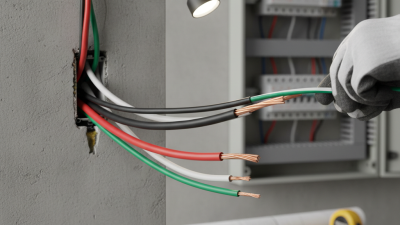
When selecting THHN wire, understanding its characteristics is crucial. THHN stands for Thermoplastic High Heat-resistant Nylon-coated wire. This wire type is popular in various applications due to its excellent heat resistance and durability. It can handle temperatures up to 90°C in dry locations. Knowing this helps you choose the right gauge for your needs.
This wire is made from copper or aluminum and offers good conductivity. It is coated with nylon, which adds mechanical protection. You might find it ideal for residential or commercial wiring. However, keep in mind that THHN is not suitable for wet locations. In such cases, selecting a wire with appropriate properties is essential. Always double-check the local electrical codes before making a decision.
Moreover, evaluating the environment where you will use the wire is vital. For instance, if you are wiring in a space prone to moisture, another type of wire may be needed. Sometimes, people's lack of thorough research leads to impractical choices. Reflect on your project requirements to avoid costly mistakes. Remember, the right wire can significantly influence the safety and efficiency of your electrical system.
Evaluating the Appropriate Gauge Size for Your Electrical Needs
Choosing the right gauge size for your electrical project is crucial. The gauge of THHN wire affects current flow and safety. If the gauge is too low, it can lead to overheating and potential hazards. On the other hand, a higher gauge wire may not carry enough current for your needs.
When evaluating gauge sizes, consider your electrical load and distance. A 12-gauge wire typically handles up to 20 amps, making it suitable for common household circuits. For longer runs, you might need a thicker gauge to prevent voltage drop. Understanding these factors enhances safety and efficiency.
Tips to consider include checking local codes, as they often dictate gauge requirements. Additionally, always account for the total amperage of your appliances. Assess the number of devices you'll connect and their power draws. This thorough approach helps in making informed decisions. Remember that overestimating can lead to unnecessary costs, while underestimating can compromise safety. Balance is key.
Selecting the Right Insulation Type for Different Environments
Choosing the right insulation type for THHN wire is crucial for the safety and efficiency of your electrical project. Different environments require specific insulation properties. For instance, heat-resistant insulation is essential in high-temperature areas. Look for wires rated for higher temperatures, like 90°C, to ensure reliability.
In wet or humid conditions, moisture-resistant insulation is vital. This type can prevent short circuits and prolong the wire's lifespan. Understanding the environment where the wire will be installed is key. Avoid common mistakes like using standard insulation in places exposed to water or extreme heat.
You might find it challenging to balance cost and quality. It's tempting to choose cheaper options, but this can lead to failures. Being aware of local codes and standards is also essential. They often dictate the type of insulation suitable for specific applications. Reflecting on these factors will lead to more informed decisions and ultimately a safer project.
Considering Voltage and Current Ratings in Your Wire Selection
When selecting the right THHN wire for your project, understanding voltage and current ratings is essential. Voltage rating, often measured in volts (V), indicates the maximum voltage the wire can handle safely. The National Electrical Code (NEC) states that THHN wires come with a rated voltage of 600V for most applications. Exceeding this can lead to insulation failure or even electrical fires.
Current ratings reflect the amount of electrical current the wire can carry, typically measured in amperes (A). According to the American Wire Gauge (AWG) standards, a 12 AWG THHN wire is rated for 20A in a conduit. However, this can vary based on factors like the ambient temperature and the wire's installation conditions. It’s important to factor in derating conditions; for instance, when multiple wires are bundled together, the current capacity reduces significantly.
Miscalculating the voltage and current requirements can lead to system failures. Many professionals stress the need for a thorough assessment of the project’s specific power demands. Inadequate wire gauge or inappropriate voltage ratings can cause overheating and potential hazards. Always double-check current loads and consult reliable guidelines before proceeding with wire selection.
How to Choose the Right THHN Wire for Your Project?
This chart illustrates the relationship between the recommended ampacity (current carrying capacity) of different gauges of THHN wire and their respective maximum voltage ratings used in typical electrical projects.
Budgeting and Sourcing: Finding Quality THHN Wire Options
Choosing the right THHN wire involves more than just technical specifications. Budgeting plays a crucial role in sourcing quality options. Prices can vary widely based on supplier and region. It's essential to compare multiple suppliers to find the best deal without compromising on quality. While lower prices can be tempting, they sometimes reflect lesser quality materials. Prioritize suppliers with a solid reputation in the electrical industry.
Shopping online can provide a broader selection of THHN wire. However, it's vital to examine customer reviews and ratings. This feedback can help you assess the reliability of a supplier. Look for reviews that mention durability and performance over time. It’s wise to ask for samples if you're purchasing in bulk; this allows you to inspect the wire before the full transaction.
Keep in mind that cheap options might lead to costly repairs later. Inadequate wire can cause failures in electrical systems. Take time to gauge your project requirements and align them with your budget. Research is crucial to ensure you make informed decisions. Small details matter, and overlooking them could impact your project significantly. The goal is to find a balance between cost, quality, and safety.