How to Choose the Right Underground Conduit for Your Project?
When embarking on a construction project, selecting the appropriate underground conduit is crucial. This choice impacts electrical systems, plumbing, and telecommunications. An underground conduit must withstand environmental factors and ensure safety. Therefore, understanding the various types available is essential.
Diverse materials like PVC and HDPE offer unique advantages. For instance, PVC is lightweight and resistant to impacts, while HDPE is flexible and durable. This decision may seem minor but can greatly influence long-term project success. It's important to consider the specific needs of your project, such as the environment and load requirements.
Many face challenges with conduit selection. Misjudgments can lead to costly repairs. Conduct research and consult with experts in the field. Their insights can prevent mistakes and enhance overall project reliability. Don't underestimate the importance of this decision in your project's future.
Understanding Different Types of Underground Conduits Available in the Market
When selecting the right underground conduit, understanding available types is crucial. Underground conduits vary significantly based on material and application. According to industry standards, rigid PVC, HDPE, and metal conduits are common choices. PVC conduits are lightweight and resistant to corrosive elements. However, they may not withstand extreme temperatures as well as others. HDPE offers superior flexibility and is often preferred for complex installations.
Metal conduits, like steel or aluminum, provide excellent protection against physical damage. They are ideal for high-stress environments but can be heavier and more expensive. A study from the National Electrical Contractors Association indicates that over 30% of conduit failures are due to improper material selection. This highlights the importance of aligning material properties with project demands.
Each type of conduit has its pros and cons. While PVC is cost-effective, its durability under pressure is limited. Conversely, metal options offer strength but can complicate installation due to their weight. Proper research and project assessment should guide the decision-making process, ensuring that the chosen conduit can meet both immediate and long-term operational needs.
Comparison of Different Types of Underground Conduits
Evaluating Project Requirements: Factors to Consider Before Choosing Conduit
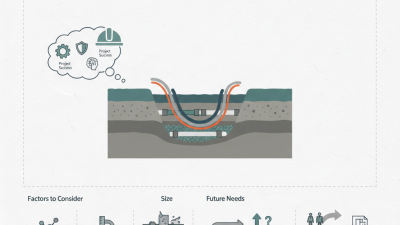
Evaluating project requirements is crucial when selecting the right underground conduit. Start by considering the environment. Is the conduit going underground in a wet area? Heavy rains can affect durability. You might prefer materials resistant to moisture. This choice ensures the safety of electrical systems.
Next, assess the conduit’s capacity. Will it house a single cable or multiple ones? A conduit that’s too small can lead to overheating. Think about future needs too. Unexpected expansions can strain existing conduits. Sometimes, projects require a balance between current needs and future growth.
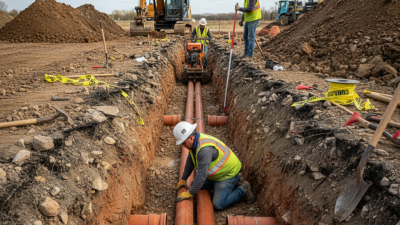
Finally, consider installation challenges. Which tools will you need? Are there obstacles like trees or existing infrastructure? Planning the layout can save time and effort. It’s worth contemplating potential issues before starting. A well-thought-out approach helps navigate unforeseen challenges that may arise during installation. This reflection can save both time and resources in the long run.
Assessing Material Durability and Suitability for Underground Installation
When assessing the durability of materials for underground conduits, several factors come into play. The soil type, moisture levels, and potential chemical exposure are critical. For instance, PVC conduits are resistant to corrosion but may not withstand high temperatures. On the other hand, fiberglass conduits offer higher tensile strength and corrosion resistance, making them suitable for harsher environments. A study from the National Electrical Manufacturers Association indicates that 30% of conduit failures stem from poor material selection.
Another critical aspect is installation depth. A conduit must withstand external pressures from soil and any above-ground structures. According to data from the Institute of Electrical and Electronics Engineers, non-metallic conduits often perform well under heavy loads. Yet, they are susceptible to impacts during installation. Inadequate backfilling can lead to shifting, increasing the risk of damage over time.
Proper evaluation of material properties is essential. Factors such as thermal expansion and impact resistance should be considered. A report from the American Society for Testing and Materials shows that improper material choice can lead to significant maintenance costs over a conduit’s lifespan. Decisions should not only focus on upfront costs but also on long-term durability and compatibility with local conditions.
Comparing Cost and Installation Complexity Among Various Conduit Options
Choosing the right underground conduit for your project demands careful consideration of both cost and installation complexity. There are various conduit types available, each with unique characteristics. PVC conduits are affordable and lightweight, making them a popular choice. However, their flexibility may pose challenges in installation, especially in rocky soil. Metal conduits, while more durable, come with higher costs and require specialized tools for installation.
Installation complexity can significantly impact your project timeline. For instance, flexible conduits allow for easier maneuvering through tight spaces. On the other hand, rigid conduits may require additional trenching and support systems. Labor costs should also factor into your decision. Hiring professionals may be necessary for more complicated installations, raising the overall budget.
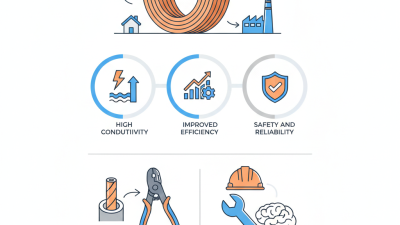
Every conduit type has its trade-offs. You might find that the cheapest option in the beginning may lead to higher repair costs later. Evaluating the long-term implications helps ensure that your project remains within budget while maintaining safety and reliability standards. It is essential to weigh these elements carefully to make an informed decision that suits your unique project requirements.
Ensuring Compliance with Local Codes and Regulations for Conduit Use
Choosing the right underground conduit is crucial for any construction project. Compliance with local codes and regulations is the backbone of this process. According to a report by the National Electric Code (NEC), over 30% of electrical installations fail inspections due to code violations. Understanding these regulations helps prevent costly reworks.
Local codes often address materials, installation methods, and environmental concerns. For example, some areas require non-metallic conduits to ensure safety and durability in corrosive environments. A study by the Conduit Association reveals that projects following local codes experience a 20% reduction in installation errors. However, following codes isn't always straightforward. Each region has unique requirements, and contractors sometimes overlook crucial details.
Project managers must invest time in researching local codes. This diligence helps ensure that conduits are legally compliant. Yet, even experienced professionals occasionally misinterpret guidelines. Regular training and updates on code changes can mitigate these issues. Understanding the balance between rigorous adherence to codes and practical applications is where true expertise lies.