What is a Fish Tape Wire Puller and How to Use It?
In the realm of electrical installations, efficiency and reliability are paramount. The fish tape wire puller plays a crucial role in achieving these goals. It is an essential tool for electricians and DIY enthusiasts alike. According to industry reports, the use of fish tape has increased by over 40% in the last decade. This is largely due to its effectiveness in pulling wires through conduits.
Fish tape wire pullers not only save time but also prevent potential damage to wires. Their flexible design allows them to navigate tight spaces with ease. However, not all applications are straightforward. Proper technique is key to using a fish tape wire puller effectively. Learn the correct methods to avoid common mistakes that can lead to frustration.
Understanding the advantages—and occasional drawbacks—of this tool offers valuable insights. While fish tape is reliable, careful selection and usage are essential. Professionals recommend considering the specific project requirements before opting for this tool. Whether it’s for a simple home project or a complex wiring job, mastering the fish tape wire puller can significantly enhance your efficiency.
What is Fish Tape and Its Purpose in Electrical Wiring?
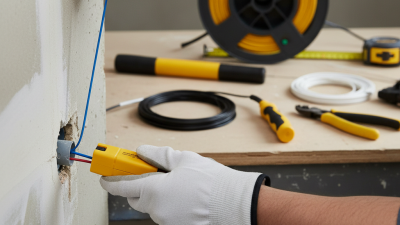
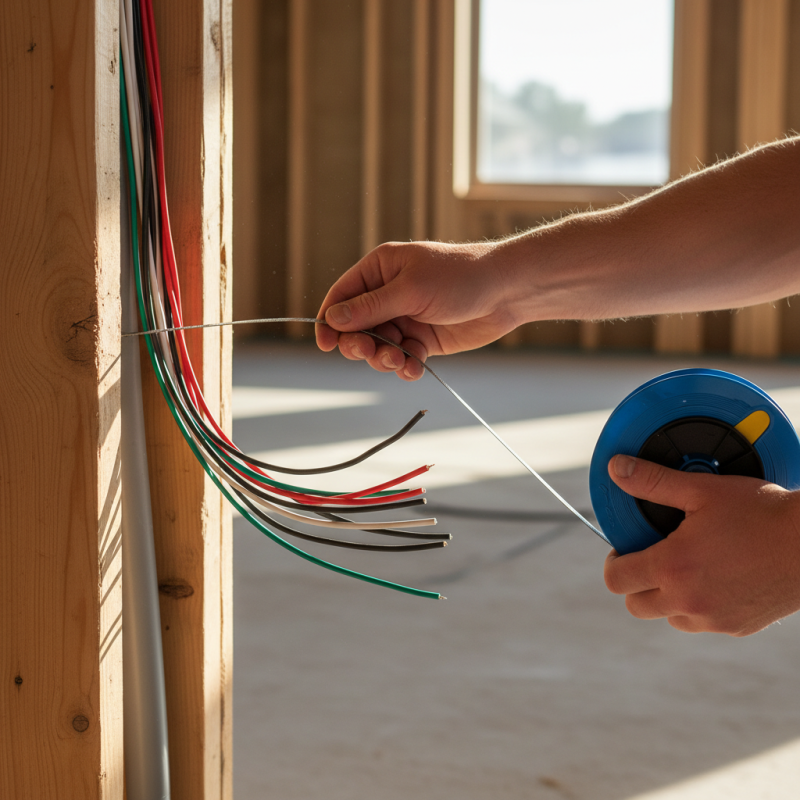
Fish tape is a vital tool in electrical wiring projects. It consists of a flexible, flat fiberglass or steel tape. Its primary purpose is to help electricians route wires through walls, ceilings, and conduits. By feeding the fish tape into an opening, you can pull wires without damaging existing structures. This reduces the hassle during installations.
Using fish tape can be tricky for beginners. Make sure to withdraw the tape smoothly to avoid bends or kinks. When feeding it through tight spaces, go slowly to prevent snagging. Remember, not all tight spots are accessible. Plan your route carefully.
Tips: Keep your fish tape clean and free of debris. This ensures smooth operation for each use. If the tape gets stuck, double-check your angles. Sometimes, a slight adjustment can make a big difference. Keeping the tape gently coiled when not in use can help maintain its flexibility.
Wiring tasks often involve obstacles. Don't rush the process, as haste can lead to mistakes. Learning to use fish tape effectively takes practice. Take the time to understand your tool, and with experience, you'll get better results.
Types of Fish Tapes: Nylon, Steel, and Fiberglass Explained
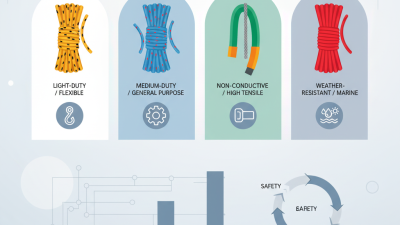
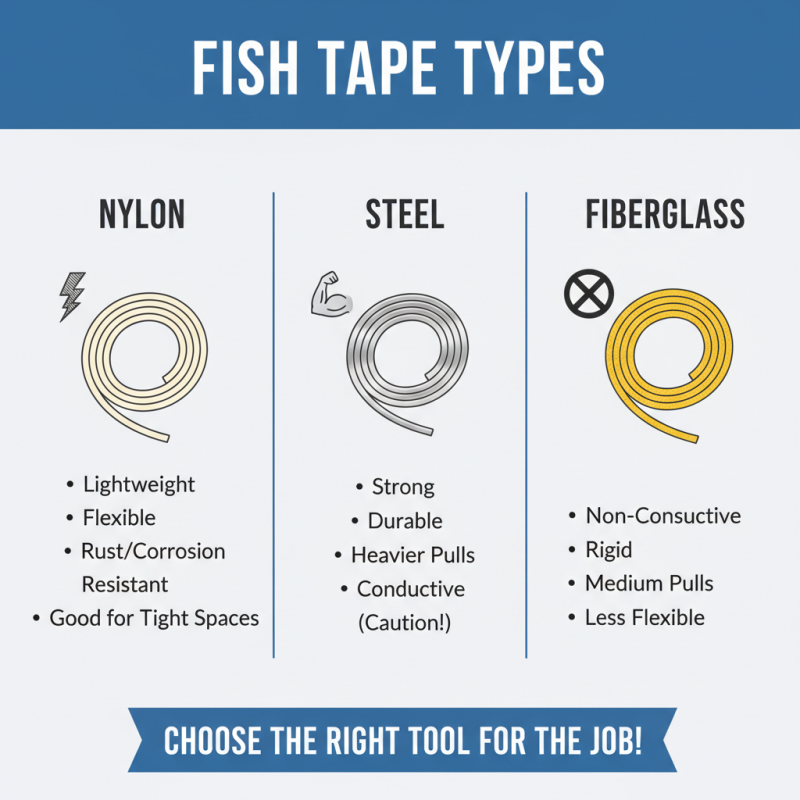
When selecting a fish tape, three main types come to mind: nylon, steel, and fiberglass. Each has its unique characteristics, making them suitable for different tasks. Nylon fish tape is lightweight and flexible. It works well in tight spaces and is resistant to rust and corrosion. However, it may not be ideal for heavier wire pulls.
Steel fish tape offers strength and durability. It can manage larger wire loads, making it popular for more demanding tasks. Yet, it’s prone to rust if exposed to moisture. Fiberglass fish tape is a great middle ground. It is both strong and non-conductive, perfect for electrical work. However, fiberglass can be less flexible than nylon.
Tips: Always choose the right length. A tape that’s too short can lead to frustration. Keep the tape clean to ensure smooth pulling. After use, store it properly to extend its lifespan. If you’re unsure which type to use, consider the job requirements carefully. Assess the space and wire types before making your choice. Doing so can save time and reduce errors.
Tips and Best Practices for Effective Fish Tape Usage
Using a fish tape wire puller can simplify the process of running wires through tight spaces. Proper technique ensures a smooth operation and minimizes frustration. Start by choosing the correct gauge of fish tape for your project. The right thickness provides stability and strength. If the tape is too thin, it may kink or break during use.
While pulling the fish tape, keep a steady tension. Avoid jerking the tape, as this can cause it to snag. Pushing too hard can damage wires or piping. If you encounter resistance, consider using a lubricant or adjusting the angle. Be mindful of any obstacles inside the wall that may impede progress.
Pay attention to the coiling method when returning the tape. A neat coil prevents tangling and prolongs its lifespan. If you notice wear or damage to the tape, replace it promptly. It's essential to regularly inspect your tools. Reflecting on your approach can improve your skills over time. Embrace challenges as learning opportunities.
What is a Fish Tape Wire Puller and How to Use It? - Tips and Best Practices for Effective Fish Tape Usage
| Aspect |
Details |
| What is Fish Tape? |
A flexible tool used to route new wiring through walls, ceilings, and conduits. |
| Types of Fish Tape |
Steel, fiberglass, and nylon fish tapes are commonly used. |
| Usage Steps |
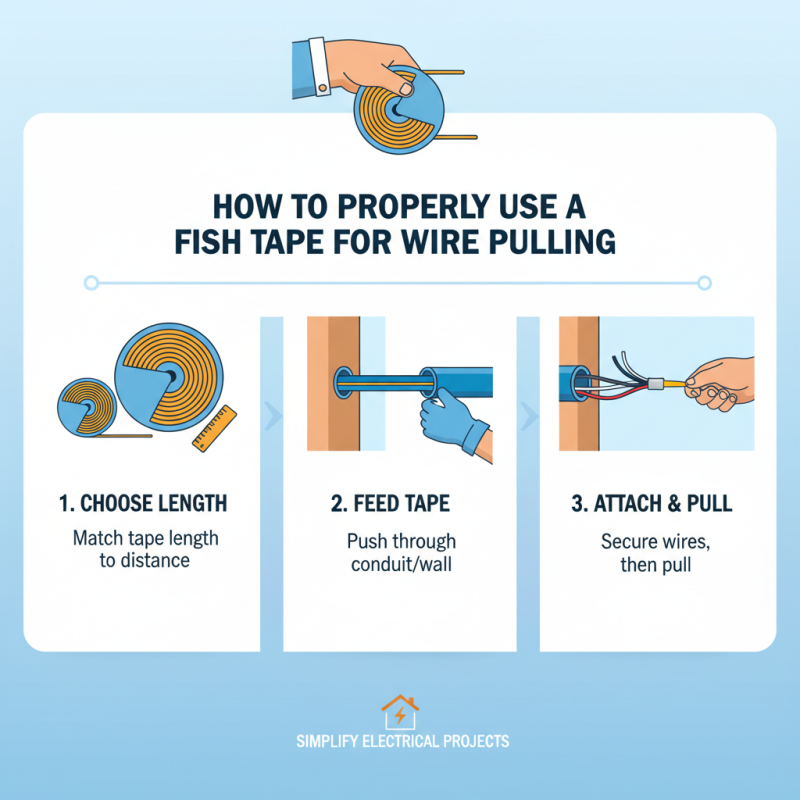
1. Insert the tip into the conduit. 2. Push or pull the tape through to the exit point. 3. Attach wire and pull it back through. |
| Tips for Effective Use |
Keep it clean, avoid sharp bends, and lubricate when necessary. |
| Common Mistakes |
Not securing the tape, using the wrong type for the job, or rushing the process. |
| Safety Precautions |
Always wear protective gear and be aware of electrical hazards. |
Common Mistakes to Avoid When Using Fish Tape for Wiring
When using fish tape for wiring, it’s easy to make common mistakes. One frequent error is using too much force. This can damage the fish tape or make it difficult to navigate. Instead, apply steady pressure. Go slow and let the tape do its job. A gentle touch often leads to better results.
Another mistake is not properly preparing the pathway. Make sure the conduit is clear of obstacles. Any obstruction can cause the tape to snag. Inadequate planning can lead to frustration. A well-thought-out route saves time and effort. Also, ensure you are using the right gauge of fish tape for your project.
Many users also overlook measuring the distance carefully. If the tape isn’t long enough, you could get stuck. Always check the length of wire needed. This will save you from unexpected surprises. Lastly, remember to secure the wire properly once pulled. This is crucial for a safe and efficient installation. Reflect on these aspects to improve your skill with fish tape.
Fish Tape Usage Statistics
This bar chart represents the statistics related to the proper usage of fish tape, the common mistakes made by users, the frequency of use, and the overall user experience when using fish tape for wiring. Proper usage of fish tape is crucial for efficient wiring tasks, while understanding common mistakes can help improve safety and effectiveness.