Why is Building Wire Important for Electrical Installations?
Building wire plays a critical role in electrical installations. It connects various components of a system. Choosing the right type of building wire is essential for safety and efficiency.
Electrical systems rely on robust materials. Poor quality building wire can lead to hazards. Over time, these wires may degrade, increasing the risk of shorts or fires. Installers must select wires that meet local codes and standards. This task requires knowledge and attention to detail.
Some may overlook building wire during the planning phase. This can lead to complications later on. Proper installation of building wire ensures longevity and functionality. Experienced electricians understand the intricacies involved. They recognize that each project is unique, requiring tailored solutions.
Importance of Building Wire in Ensuring Electrical Safety Standards
Building wire is crucial for the safety and reliability of electrical installations. It serves as the backbone of any electrical system in a building. Properly insulated wire prevents electric shocks and reduces fire hazards. When wires are improperly installed, the risks increase significantly. Basic safety standards must be met to protect lives.
The type and quality of building wire impact electrical performance. Using subpar materials can lead to overheating. This may cause equipment damage or, worse, electrical fires. Many people overlook the importance of wire gauge and insulation. These factors greatly influence safety.
Reflecting on installations, many neglect to check proper routing. Wires should not be exposed when possible. They need to be secured and protected to minimize risks. Additionally, proper maintenance and regular inspections are often overlooked. Without these, potential issues go unnoticed until it's too late.
Why is Building Wire Important for Electrical Installations? - Importance of Building Wire in Ensuring Electrical Safety Standards
| Aspect |
Description |
Safety Standards |
Common Applications |
| Conductivity |
Building wires are designed to conduct electrical current efficiently. |
Must meet ANSI/NFPA standards for conductivity. |
Wiring for residential and commercial buildings. |
| Durability |
Wires are insulated to resist wear and environmental degradation. |
Compliance with UL certification for insulation materials. |
Indoor and outdoor electrical systems. |
| Safety |
Proper installation prevents electrical hazards, such as shorts and fires. |
Adheres to NEC (National Electrical Code) guidelines. |
Residential, commercial, and industrial buildings. |
| Flexibility |
Building wires can be adapted to various installation configurations. |
Must meet local codes for flexibility and installation. |
Complex layouts in modern architecture. |
| Cost-Effectiveness |
High-quality building wires offer long-term savings on maintenance. |
Efficiency ratings that comply with relevant regulations. |
Wiring installs for new construction and retrofits. |
Types of Building Wire: Materials and Their Electrical Properties
When it comes to electrical installations, the type of building wire used is crucial. Wires are typically made from copper or aluminum. Copper wire has higher conductivity, making it a popular choice for residential buildings. It is efficient but more expensive. Aluminum wire is lighter and cheaper. However, it has lower conductivity. This difference can impact performance and safety.
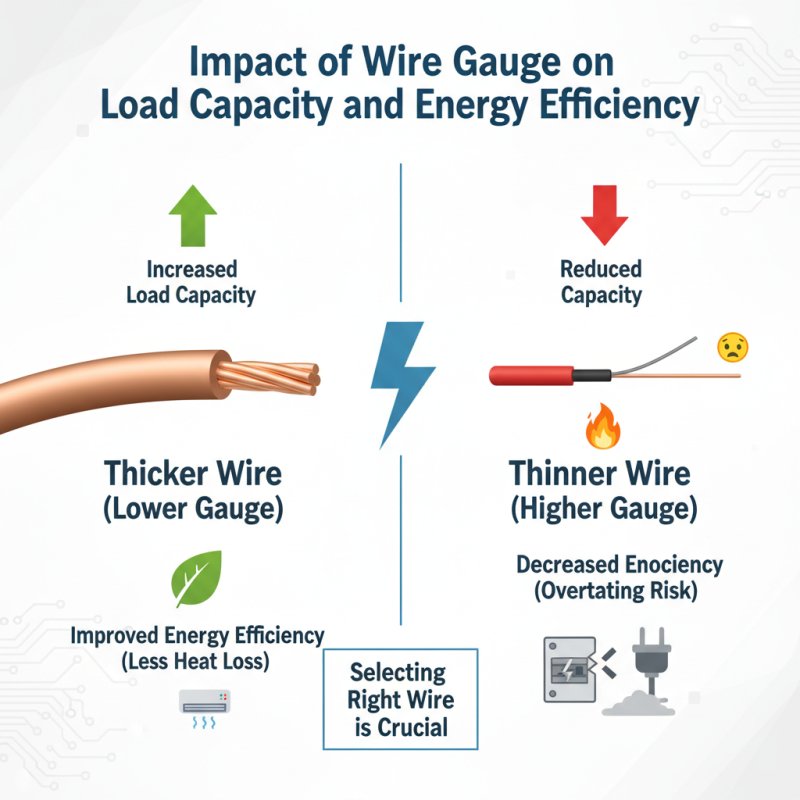
The gauge of the wire, measured in AWG (American Wire Gauge), affects its current-carrying capacity. A lower gauge number indicates a thicker wire, allowing more current to flow. For example, a 12 AWG wire can typically handle up to 20 amps. In contrast, a 14 AWG wire is limited to 15 amps. Understanding these specifications is essential. A mismatch can lead to overheating or even fires.
Tip: Always check local codes before choosing wire type and gauge. Compliance is vital for safety and efficiency.
Not all wires are suitable for every application. Some wires are rated for outdoor use, while others are best for interiors. Choosing the right insulation type is essential to prevent degradation over time. Many underestimate this factor. Using the wrong wire can result in costly repairs down the line. Be mindful of the installation environment to ensure longevity.
Importance and Types of Building Wire for Electrical Installations
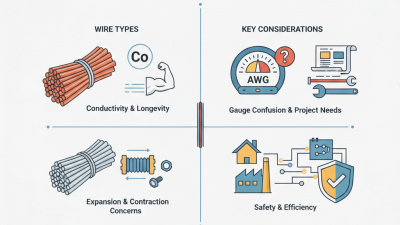
The chart below illustrates the different types of building wires used for electrical installations, their materials, and their electrical properties including conductivity (S/m) and insulation rating (°C).
Long-Term Cost Implications of Using Quality Building Wire in Installations
Choosing quality building wire is crucial for electrical installations.
High-grade wire enhances safety and ensures lasting performance.
Cheaper options might seem appealing, but they can be costly in the long run.
Poor quality wire may lead to frequent electrical failures and hazards.
Tips: Always check the wire gauge. A thicker wire can handle more current. This is vital for larger appliances and reduces the risk of overheating.
Use insulation that suits your local climate. Proper insulation prevents moisture damage, a common issue that can cause shorts over time.
Consider the installation environment too. Wires exposed to extreme temperatures or moisture need additional protection.
Learn about wire ratings and make informed choices. The right wire helps prevent costly repairs.
Investing upfront saves money later on. Quality wires can last for decades if correctly installed.
Don’t overlook this aspect. It impacts your home’s overall safety and efficiency.