Top Reasons to Choose Tray Cable for Your Wiring Needs?
When considering wiring solutions, tray cable stands out for its durability and flexibility. According to a report by the National Electrical Manufacturers Association (NEMA), tray cables are increasingly being recognized for their efficiency in both industrial and commercial applications. Expert Jack Thompson, a leading figure in cable technology, emphasizes, "Choosing the right cable improves system reliability significantly."
Tray cables are designed for a variety of environments, offering resistance to moisture, chemicals, and physical damage. Their structure allows for straightforward installations, making them less time-consuming than traditional methods. Additionally, recent studies highlight a growing trend in industries where downtime costs are critical. Wire damage or failures can lead to substantial losses, making the choice of tray cable essential for many companies.
However, it is vital to address that not every installation requires tray cable. In some cases, other types might be more appropriate. Evaluating specific needs and environments is crucial. Understanding the specific benefits of tray cable can enhance performance and reduce long-term costs. With insights from industry experts, businesses can make informed decisions for their wiring needs.
Advantages of Tray Cable Over Traditional Wiring Options
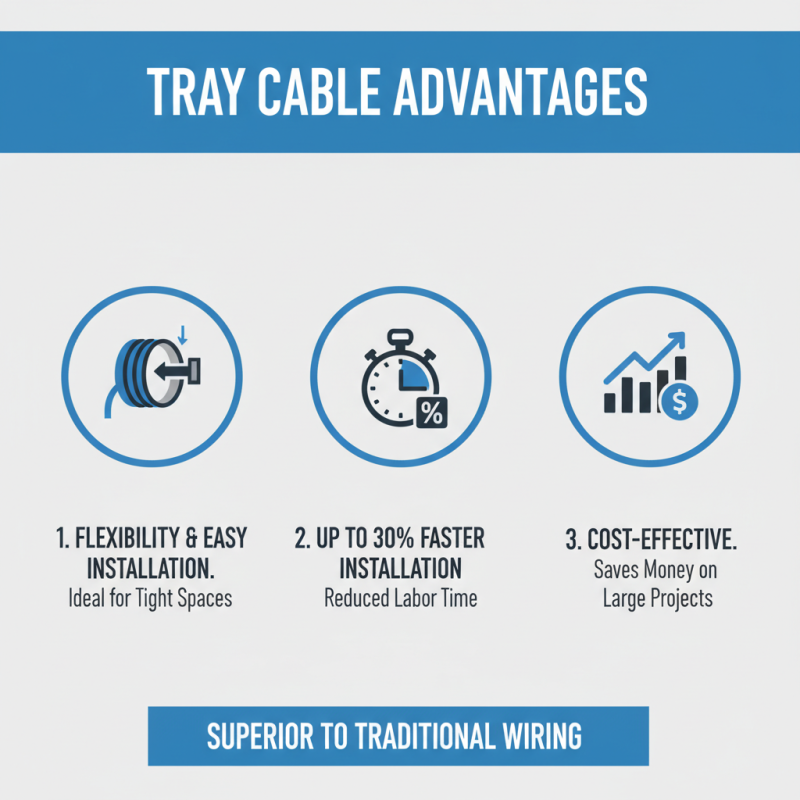
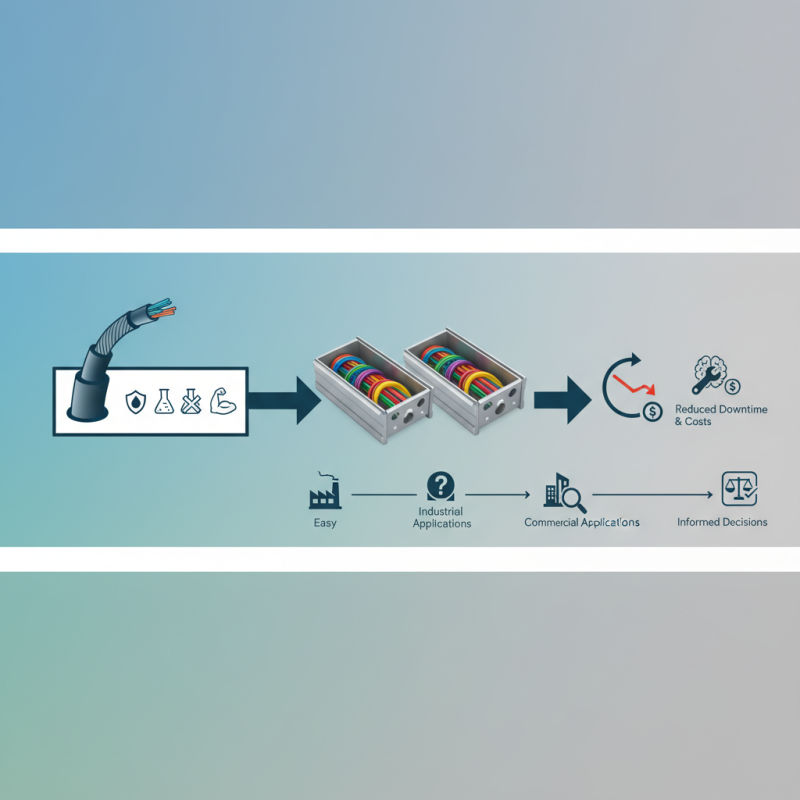
Tray cable offers several advantages over traditional wiring options. One key benefit is its flexibility. This cable type allows for easier installation in tight spaces, ideal for complex setups. According to industry reports, tray cables can reduce installation time by up to 30%. This efficiency is crucial in commercial environments where time is money.
Additionally, tray cable is designed to withstand various environmental conditions. Its construction often includes robust insulation, making it suitable for outdoor applications. Research suggests that tray cables have a longer lifespan than standard cables, saving costs in the long run. For instance, a case study showed that using tray cable reduced replacement frequency by 40% in harsh environments.
**Tips:** When selecting tray cables, ensure they meet specific industry standards. This helps prevent potential failures. Also, consider the cable’s rating for both sunlight resistance and moisture exposure. These factors influence the cable’s durability. Finally, reflect on the environmental factors of your installation site; they play a significant role in selecting the right cable type.
Key Applications for Tray Cable in Residential and Industrial Settings
Tray cables are an optimal choice for wiring in both residential and industrial applications. These cables are preferred for their versatility and durability.
In industrial settings, they are commonly used for power distribution and control applications. In fact, over 70% of industrial facilities utilize tray cables due to their efficiency in cable management systems. This helps to maintain organized environments and reduce the risk of accidents.
In residential settings, tray cables provide a reliable solution for connecting various electrical systems, including lighting and heating. According to industry reports, about 45% of new homes incorporate tray cables in their wiring designs. This is largely attributed to the cables' resistance to moisture and chemicals, making them suitable for diverse environments.
The use of tray cables can improve safety and reliability, although installers must ensure proper routing and support to mitigate risks.
The versatility of tray cables extends beyond mere wiring. They can be easily adapted for a range of applications. However, their installation requires careful planning. It’s important to consider factors like local codes and environmental conditions.
Neglecting these considerations may lead to suboptimal performance and potential hazards. Balancing compliance with practical usage can be challenging, yet it is crucial for achieving lasting results.
Understanding the Construction and Components of Tray Cable
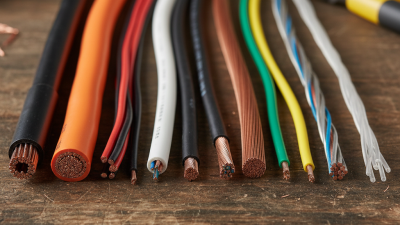
Tray cable consists of multiple insulated conductors, often used in commercial and industrial environments. The construction typically includes conductors, insulation, and a protective jacket. The conductors are usually copper or aluminum, providing excellent conductivity and reliability. Insulation materials often feature PVC or LSZH, enhancing durability. The choices made in these components impact performance significantly.
When selecting tray cable, consider factors like temperature ratings and resistance to environmental conditions. For instance, cables rated for high temperatures can withstand up to 90°C in dry locations. Fiberglass-reinforced polymer (FRP) jackets enhance resistance to physical damage. According to industry reports, nearly 30% of electrical failures are linked to inadequate insulation, highlighting the importance of choosing quality materials.
Specialized designs cater to specific applications, offering flexibility in installation. Some tray cables are designed for vertical riser applications, ensuring safety in high-rise buildings. However, not all tray cables are equal, and it is crucial to avoid generic options. Proper selection based on intended use is vital to prevent serious issues down the line.
Safety Standards and Compliance of Tray Cable for Electrical Installations
Tray cables are a popular choice for electrical installations due to their adherence to stringent safety standards. They are designed to withstand various environmental factors while ensuring reliability and performance. According to the National Electrical Manufacturers Association (NEMA), tray cables are crafted to meet the NEC (National Electrical Code) requirements, which helps prevent electrical hazards.
Safety is paramount in electrical wiring. Tray cables incorporate materials that are flame-retardant and often have insulation that is resistant to moisture and chemicals. This quality ensures that installations remain safe and functional over time. The Occupational Safety and Health Administration (OSHA) highlights the importance of compliance with safety standards to minimize risks in commercial and industrial applications. Yet, organizations might overlook regular inspections and evaluations of existing wiring systems.
Moreover, using tray cable can improve efficiency in installation processes. Properly rated systems are easier to manage and maintain. Industry reports indicate that adherence to codes and standards can reduce safety incidents by 30% over time. Still, ongoing training and awareness among workers are crucial, as gaps in knowledge can lead to compliance issues. Recognizing the importance of continuous education remains a challenge in many organizations.
Top Reasons to Choose Tray Cable for Your Wiring Needs
Cost-Effectiveness: Long-Term Benefits of Using Tray Cable
Tray cables offer significant cost-effectiveness for various wiring applications. According to a report from the National Electrical Manufacturers Association (NEMA), tray cables can reduce installation costs by up to 30%. This reduction primarily arises from fewer installation hours and minimized labor expenses. Many projects benefit from using these cables, particularly in large infrastructure setups where time and resources are critical.
Another aspect of cost-effectiveness lies in the long-term benefits. A study by the International Energy Agency (IEA) shows that using tray cables can lead to lower maintenance expenses over time. These cables are built to withstand harsh environments, which decreases the frequency of replacements. As a result, businesses can see a return on investment (ROI) of as much as 150% over the cable’s lifespan. Choosing tray cables becomes not just a cost-saving measure but a strategic direction for those looking to optimize their operational efficiencies.
Despite these advantages, some may overlook tray cables due to initial perception of high upfront costs. This viewpoint can be misleading. When evaluating total cost and long-term reliability, tray cables present a sound investment. The less visible maintenance issues can lead to unexpected costs, which are often neglected in budget discussions. A comprehensive understanding of total cost benefits leads to smarter decision-making in wiring choices.
Top Reasons to Choose Tray Cable for Your Wiring Needs
| Feature |
Benefits |
Long-Term Cost Savings |
| Durability |
Resistant to environmental damage, less frequent replacements. |
Reduced labor and material costs due to fewer replacements. |
| Flexibility |
Easily routed in tight spaces, accommodating various installations. |
Versatile for different projects, saving modification costs. |
| Safety |
Low fire hazards; built to meet safety standards. |
Potential reduction in insurance costs due to safety compliance. |
| Installation Ease |
Quick and straightforward installation process. |
Lower labor costs leading to overall project savings. |
| Low Maintenance |
Requires minimal upkeep once installed. |
Long-lasting performance minimizes long-term expenses. |