Essential Tips for Using a Fish Tape Wire Puller Effectively?
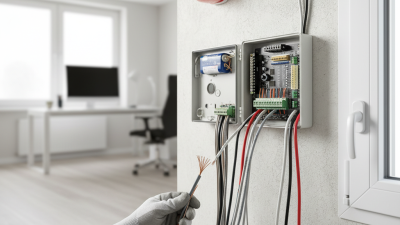
Using a fish tape wire puller can greatly enhance your wiring projects. This tool is essential for electricians and DIY enthusiasts alike. It simplifies the process of running wires through walls and conduit, making it less cumbersome. Understanding how to use it effectively opens the door to better workmanship.
When operating a fish tape wire puller, always ensure you have the right technique. Improper handling can lead to tangled tape or damaged wires. Visualize the path your wires will take to ensure smooth pulling. A little planning makes a big difference.
Experience shows that mastery comes with practice. Don’t rush the process; take your time to learn the ins and outs of the tool. Keep in mind common pitfalls, such as pulling too hard or not guiding the tape properly. Reflection on your methods can lead to improved results.
Understanding the Basics of a Fish Tape Wire Puller
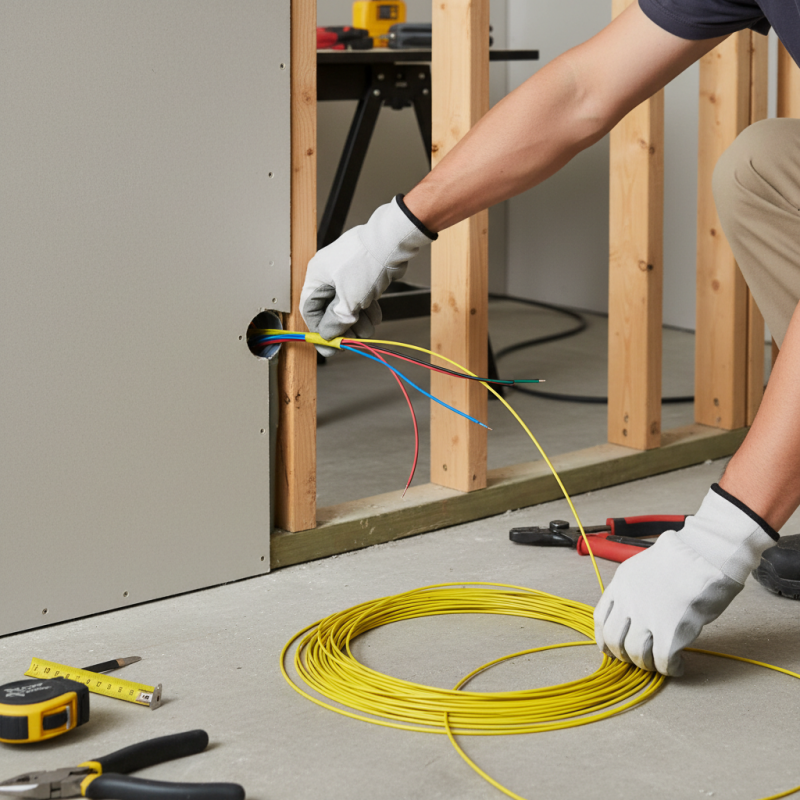
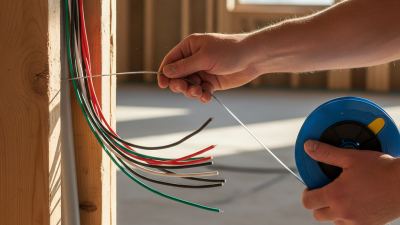
A fish tape wire puller is a vital tool for electricians. Understanding its basics can enhance your work efficiency and safety. This tool consists of a long, flexible tape designed to navigate through walls and conduits. It is essential for pulling wires and cables in tight spaces. A typical fish tape is made from steel or fiberglass, allowing it to withstand the stress of pulling heavier wires.
Using a fish tape effectively requires some skill. You need to feed the tape into the conduit properly to avoid snags. It is important to have a clear plan for the wiring path. Visualizing the route can prevent unnecessary bends that complicate the process. Also, always keep a firm grip to control the tension. If the tape does get stuck, don’t force it. Instead, take a step back and assess the situation. Sometimes a slight adjustment can make all the difference.
Remember, practice makes perfect. Your initial attempts might not go smoothly. It's okay to learn as you go. Maintaining flexibility with your technique can lead to better results. Each job offers a new learning opportunity, helping you grow in your electrical work. Embrace the challenges, and soon you will find using a fish tape becomes second nature.
Essential Tips for Using a Fish Tape Wire Puller Effectively
| Tip |
Description |
Best Practices |
| Select the Right Fish Tape |
Choose the appropriate gauge and material based on your project needs. |
For longer runs, opt for fiberglass or steel fish tape. |
| Practice Proper Feeding Techniques |
Smoothly feed the tape into the conduit to prevent snags and kinks. |
Maintain a steady hand and avoid twisting. |
| Use a Pulling Head |
Attaching a pulling head can ease the pulling of wires through tight spaces. |
Ensure it’s securely attached to prevent detachment during use. |
| Assess Conduit Condition |
Check for any obstructions or damage in the conduit before use. |
Clear any debris and make necessary repairs prior to pulling. |
| Be Mindful of Tension |
Apply consistent tension while pulling to avoid breaking the wire. |
Consider having a partner to assist with tension management. |
Choosing the Right Fish Tape for Your Project
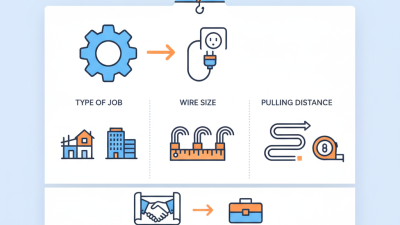
Choosing the right fish tape for your project is crucial to ensure efficiency and effectiveness. When selecting fish tape, consider the type of job you are doing. For narrow spaces, a flat fish tape works best. It easily navigates tight bends. If you are working with longer distances, opt for a heavier gauge. This will provide more durability and strength.
Here are some tips for using a fish tape wire puller effectively. Always measure the distance before pulling the tape. This can help avoid complications. Be cautious while feeding the tape. It can easily kink or snag, leading to frustrating setbacks. Use lubricant when pulling wire through conduits. This simple step can save time and energy.
The length of the tape is also essential. Too short, and you will struggle; too long, and the weight becomes unmanageable. Assess your project requirements carefully. A well-chosen fish tape will make a world of difference. However, even the best tape can fail if misused. Regular checks for wear and damage are necessary. Stay observant during the process to avoid mishaps.
Essential Tips for Using a Fish Tape Wire Puller Effectively
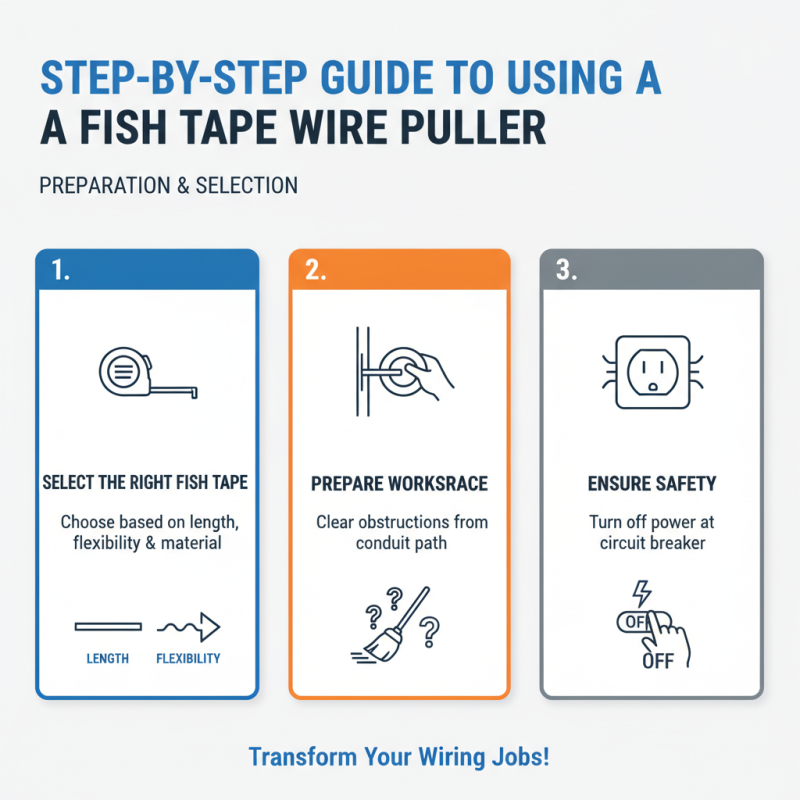
Step-by-Step Guide to Using a Fish Tape Wire Puller
Using a fish tape wire puller can transform your wiring jobs. Understanding its operation is essential for effective use. Start by selecting a suitable fish tape for your project. Ensure it’s the right length and flexibility for your space. Prepare your workspace by clearing obstructions. This setup will help the tape glide smoothly.
When using the fish tape, insert it carefully into the conduit or wall. Keep a steady hand and apply gentle pressure. If the tape resists, reassess the angle of insertion. This step can save time and prevent damaging your materials. Once it reaches the desired point, attach your wire securely. Pulling the fish tape back should be gradual and smooth. Mistakes can happen, so observe the wire’s positioning. Adjustments can prevent kinks or snags.
Don't be afraid to go back and make corrections. Practice is key to refining your technique. Sometimes, you may find that the tape has twisted or wrapped improperly. This happens to many users, so don’t feel discouraged. Take the time to reflect on what went wrong. Learning from these moments will enhance your skills in the long run. Effective use of a fish tape wire puller requires patience and practice.
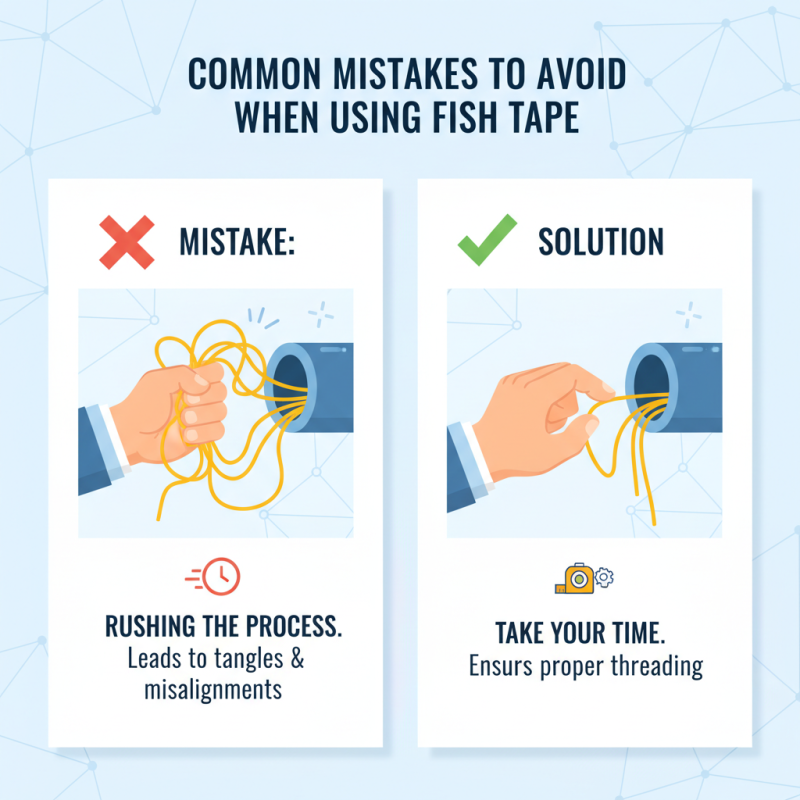
Common Mistakes to Avoid When Using Fish Tape
Using a fish tape wire puller can simplify your wiring tasks, but many make common mistakes that can hinder efficiency. One frequent error is rushing the process. Being hasty can lead to tangles or misalignments. Instead, take the time to ensure the fish tape is properly threaded through conduits. This will prevent frustrating setbacks later on.
Another mistake involves not paying attention to the tape’s integrity. Check your fish tape for any signs of wear or damage. A weakened tape may snap when under tension, potentially causing injuries or delays. Always perform a visual inspection before each use. It’s a small but crucial step that demystifies the tool’s effectiveness.
Additionally, improper handling can affect your results. Grip the fish tape at the right point to maintain control. Avoid using excessive force; this can warp the tape. Remember, a little patience goes a long way. A methodical approach will enhance your wire pulling experience, allowing for smoother installations without unnecessary complications.
Maintenance Tips for Your Fish Tape Wire Puller
Maintaining your fish tape wire puller is crucial for its longevity and efficiency. Regular inspection can prevent costly repairs. Check for kinks or bends in the tape, as these can impair its functionality. According to a survey by the National Electrical Contractors Association (NECA), over 30% of contractors face challenges due to faulty wire pullers. Simple upkeep can significantly reduce these issues.
Cleaning is another vital aspect. Dust and debris can accumulate, making it harder to pull wires smoothly. A clean, lubricated surface allows for better glide through conduits. The Electrical Safety Foundation International (ESFI) emphasizes that nearly 25% of electrical malfunctions stem from improper tool maintenance. Avoid using harsh chemicals; water and mild soap suffice.
Storage also matters. Incorrect storage can lead to damage. Store your fish tape in a cool, dry place, away from sunlight. Consider using a protective case to prevent physical harm. Neglecting these maintenance tips can result in increased downtime during projects, as equipment failures diminish productivity. Regular assessment and care can enhance performance, ensuring you are prepared for every job.