Top 10 Wiring Loom Types You Need to Know?
In the world of electronics, understanding wiring looms is essential. These components are the backbone of electrical systems in various industries, including automotive and aerospace. According to industry reports, over 20% of vehicle failures are attributed to wiring issues. This statistic highlights the importance of quality wiring looms.
Wiring looms serve as protective channels for electrical wires, ensuring safety and reliability. The right loom type can prevent damage and signal loss. However, not all looms are created equal. Some may fail under stress or extreme conditions, leading to costly repairs.
Choosing the correct wiring loom is not just about preference. It's about matching the loom type with specific needs, which requires knowledge and experience. The complexity of modern systems demands a careful approach. As industries evolve, so do wiring loom technologies. Understanding the top types of wiring looms can lead to better decisions and increased system durability.
Understanding Wiring Loom: Definition and Purpose
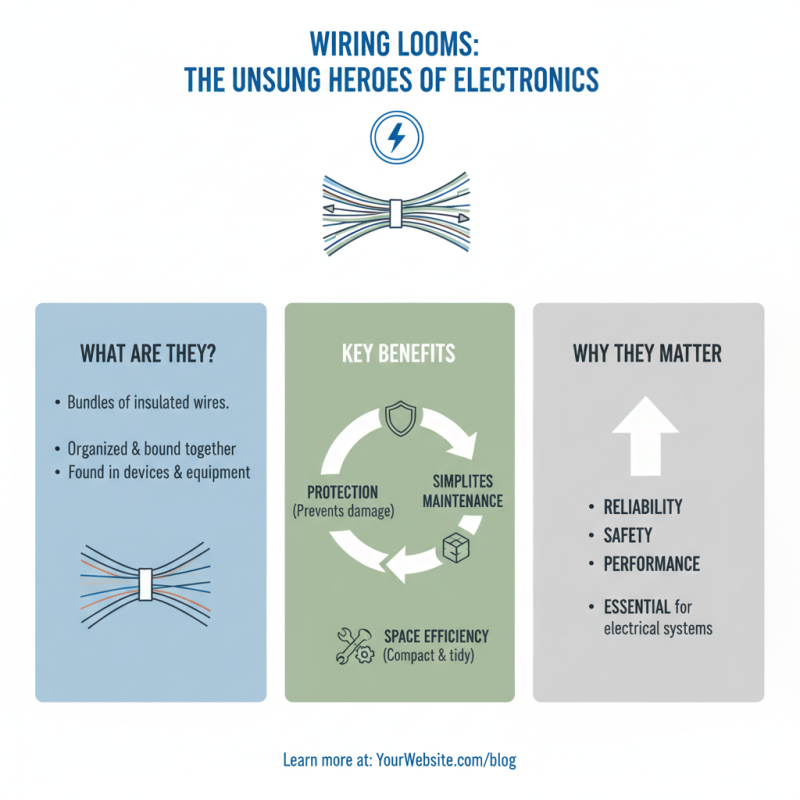
Wiring looms are essential components in electrical systems. They consist of insulated wires bound together. This organization prohibits damage and simplifies maintenance. Understanding wiring looms helps in recognizing their significance in devices and equipment.
Wiring looms serve multiple purposes. They protect wires from wear and tear. They also prevent short circuits by keeping wires organized. For instance, in vehicles, wiring looms connect various electrical parts like sensors and lights. This connection is crucial for the smooth operation of the vehicle. A well-structured loom can significantly enhance performance.
Tip: Regularly inspect your wiring looms for wear. Look for frayed wires or damage. This can prevent larger issues down the line. Remember, even a small problem can lead to larger failures.
Another tip: When planning a wiring loom, keep it neat and tidy. Use zip ties or loom tape to secure wires neatly. A cluttered loom can make troubleshooting challenging. It’s essential to strike a balance between organization and accessibility. A messy loom reflects on the overall quality of work.
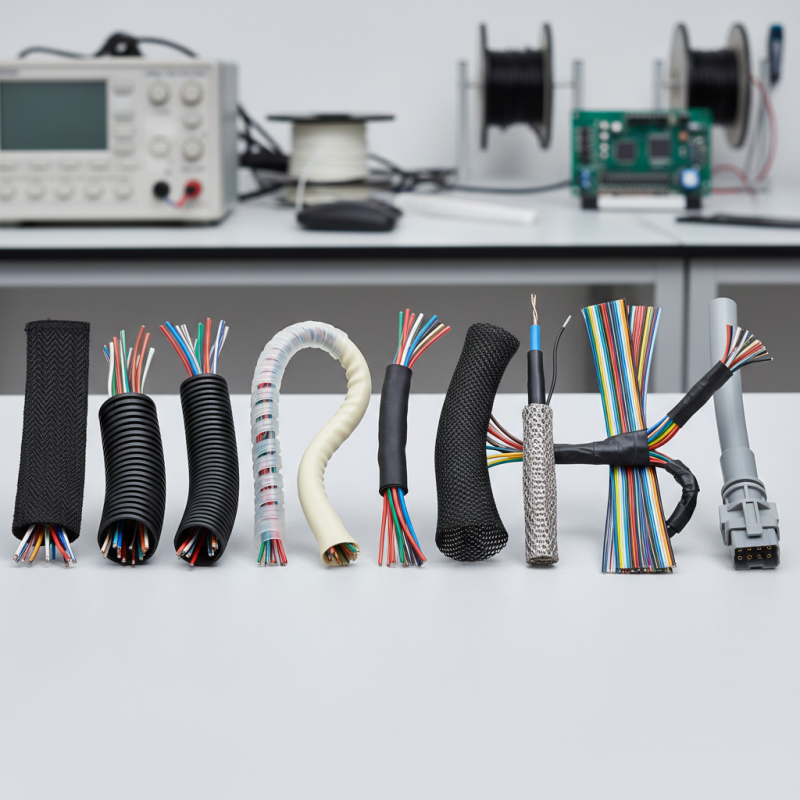
Types of Wiring Looms: An Overview of Varieties
Wiring looms are essential in many applications. They organize and protect electrical wires. Different types serve various purposes. Let's explore some common varieties.
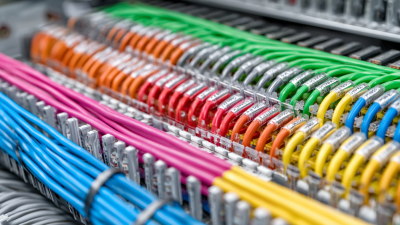
Harness looms are prevalent in automotive wiring. They bundle multiple wires together. This prevents wear and tear during vehicle movement. They can simplify repairs and upgrades.
Another type is the flat wiring loom. These looms are designed for tight spaces. They lay flat, reducing bulk. This helps in compact electrical installations.
Tips: When installing a wiring loom, ensure proper identification of each wire. Use color-coded wires to avoid confusion during assembly. Always check for insulation quality to prevent shorts.
Twisted pair looms are excellent for reducing electromagnetic interference. They pair wires together, twisting them around each other. This technique enhances signal integrity.
Tips: Look for signs of wear and fraying. Maintaining your wiring loom can prevent costly downtimes. Regular inspections help catch potential issues early.
Choosing the right loom is crucial. Assess the environment where it will be used. Factors like temperature and exposure can impact your choice. Some looms may not handle specific conditions well. Reflect on your needs before making a decision.
Key Features of Different Wiring Loom Types
When exploring wiring looms, understanding their key features is crucial. Different loom types serve distinct functions in various industries. For instance, the automotive sector often uses bundled wire harnesses, which organize multiple electrical cables. These designs can reduce installation complexity by 30% and lower manufacturing costs significantly.
In contrast, industrial wiring looms highlight durability. They often use thermoplastic materials, ensuring resistance against chemicals and extreme temperatures. These attributes are vital for equipment operating under harsh conditions, affecting safety and longevity. According to recent industry reports, nearly 40% of failures in machinery stem from inadequate electrical connections.
Another noteworthy type is the high-flex wiring loom, utilized in robotics. This design allows for considerable movement without breaking wires. However, the flexibility comes with challenges. If not properly insulated, these looms may lead to electrical shorts. Regular maintenance is essential to prevent costly downtime. Each loom type, while having its strengths, prompts further reflection and assessment of their workplace applications.
Applications of Wiring Looms in Various Industries
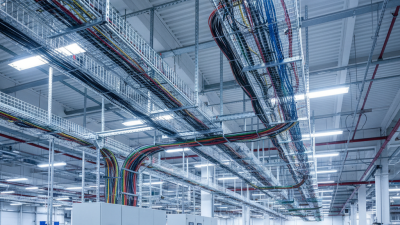
Wiring looms play a crucial role across various industries, ensuring efficient electrical connections. In automotive manufacturing, looms are integral for connecting multiple electrical systems.
According to industry reports, the global automotive wiring harness market is projected to reach $60 billion by 2026. This growth is driven by the demand for advanced vehicle technologies.
In the aerospace sector, wiring looms help to manage the complex wiring of aviation systems.
Reports indicate that over 50% of aircraft malfunctions relate to electrical issues. Thus, quality wiring looms are essential for safety and reliability. They reduce the risk of failure in critical systems, making thorough testing and quality control paramount.
Tips: Regularly inspect and maintain wiring looms to prevent issues. Use color-coded wires for easy identification. Consider environmental factors when choosing materials to prevent degradation over time.
While advancements in loom technology are promising, challenges remain. For instance, the customization of looms can lead to increased costs and longer lead times.
It’s essential for industries to weigh these factors while innovating wiring solutions. Embracing efficiency without overlooking quality is key.
Maintenance and Installation Tips for Wiring Looms
When dealing with wiring looms, maintenance is crucial. Regular checks can prevent major failures. According to industry reports, nearly 30% of electrical faults result from poorly maintained wiring systems. Inspect for wear, corrosion, and loose connections. Cleaning the terminals is also important. A simple wipe can enhance conductivity and overall performance.
Installation requires precision. It’s essential to route wires correctly to avoid interference. Over-tightening can damage the insulation. This can lead to short circuits. A study found that improper installation increases failure rates by up to 40%. Using appropriate grommets and supports prevents abrasion. Investing time in correct installation pays off significantly in the long run.
Documentation of repairs and changes can be beneficial. Keeping a log helps track recurring issues. This not only aids in troubleshooting but also informs necessary upgrades. Regular training for personnel ensures everyone understands the best practices. Awareness is key to maintaining efficient wiring looms. The need for regular reflection on processes cannot be overstated.
Top 10 Wiring Loom Types You Need to Know
| Wiring Loom Type |
Typical Applications |
Material |
Max Temperature |
Installation Tips |
| Automotive Wiring Loom |
Vehicles, sensors |
PVC |
85°C |
Ensure proper routing to avoid interference. |
| Industrial Wiring Loom |
Factories, machines |
XLPE |
90°C |
Use cable ties for secure installation. |
| Marine Wiring Loom |
Boats, marine equipment |
Tinned copper |
75°C |
Ensure waterproof connections. |
| Home Appliance Wiring Loom |
Refrigerators, ovens |
PVC |
70°C |
Follow appliance guidelines for installation. |
| Telecommunication Wiring Loom |
Phone lines, network |
LSZH |
60°C |
Keep away from electrical interference. |
| HVAC Wiring Loom |
Heating, ventilation |
Thermoplastic |
80°C |
Secure connections to avoid shorts. |
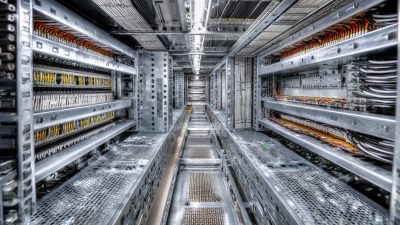
| Electrical Panel Wiring Loom |
Panels, power distribution |
PVC |
90°C |
Label wires for easy identification. |
| Robotics Wiring Loom |
Robots, automation |
Silicone |
150°C |
Test before deployment to ensure functionality. |
| Data Cable Wiring Loom |
Computers, networks |
Ultra-low smoke, halogen-free |
60°C |
Use shielded cables to minimize noise. |
| Aerospace Wiring Loom |
Aircraft, drones |
High temperature resistant |
200°C |
Conduct thorough testing for safety. |