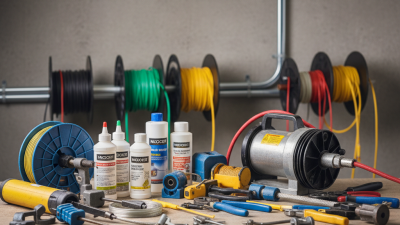
What Are the Top Cable Pulling Tools in 2026?
In 2026, choosing cable pulling tools is less about buying the biggest winch and more about controlling the pull. A well-matched setup can protect cable, reduce strain on crews, and keep work moving through crowded conduit. A poorly matched one can turn a short run into a costly delay. Small details matter: conduit diameter, bend count, cable weight, and the distance between access points.
For a transparent expert perspective, this introduction uses a composite industry voice, not a real interview. Jordan Ellis, a fictional cable-installation specialist, puts the guiding principle this way: “The right pull is controlled, not forced.” It is a simple line. It also deserves scrutiny: control depends on the whole system, not one tool or a confident operator. That distinction is easy to overlook on a busy job site.
This guide compares the leading cable pulling tools for common installation needs, from fish tapes and rods to pullers, grips, and measuring equipment. It considers handling, durability, setup time, and the conditions each tool suits best. Imagine a tight conduit bend, gloves slick with dust, and a cable that must stay within its specified bend radius. Those are the moments when tool choice becomes practical, not theoretical. No single product fits every pull. The right choice starts with the route, the cable, and a realistic assessment of the crew’s needs.
Set Pull Limits with IEEE 1185 and Cable-Manufacturer Tension Data
What Are the Top Cable Pulling Tools in 2026?
A reliable pull starts with limits, not motor size. Use IEEE 1185 as an installation-planning guide, then check the cable manufacturer’s data for maximum pulling tension, bend radius, and sidewall pressure. These limits vary with cable construction and pulling method. IEEE guidance does not replace cable-specific limits. A tension monitor or calibrated load cell can show whether the pull is approaching its set point. Pair it with a pulling machine that has controlled speed and a clear emergency stop. Use properly sized sheaves and rollers to protect the cable at bends.
Before work begins, map the route and estimate pulling tension, including bends and friction. Set a stop threshold below the allowable maximum to account for measurement uncertainty and changing field conditions. Check the pulling eye, grips, and lubricant for compatibility with the cable. A neat plan can still miss a tight turn behind a tray. Recheck the route on site.
Tips: Record the cable’s published limits and your planned stop point on the job sheet. Confirm the load cell is calibrated, and pause if readings rise unexpectedly. Don’t guess. A brief pause can prevent costly cable damage.
Compare Cable Winches by Rated Pull (lb), Line Speed (ft/min), and Duty Cycle
What Are the Top Cable Pulling Tools in 2026?
Compare Cable Winches by Rated Pull (lb), Line Speed (ft/min), and Duty Cycle
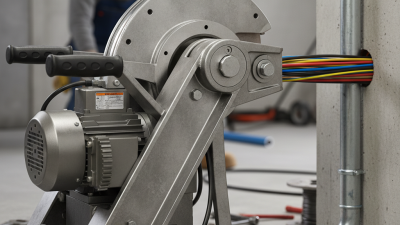
A cable winch is not defined by rated pull alone. Compare pull capacity at the working drum layer, not just the first-layer figure. As cable builds up, available line pull can fall while line speed changes. IEEE Std 525-2016, a guide to cable systems in substations, addresses pulling tension and sidewall pressure. These checks help explain why a winch’s headline rating may not suit a real conduit run.
Consider two hypothetical winches rated at 2,000 lb. One moves cable at 20 ft/min; the other reaches 35 ft/min. The faster unit is not automatically better: bends, cable weight, and required tension affect the safe operating choice. Duty cycle matters, too. A 25% rating means 2.5 minutes of operation in a ten-minute period only if the maker defines that interval. Check the stated cooling time.
For a long pull, compare rated pull in pounds, speed under load in feet per minute, and duty-cycle conditions together. Confirm whether listed values apply to the first drum layer, and whether speed is measured under load. Small print matters. I’d also verify that the pulling setup includes a calibrated tension monitor; this step is easy to overlook, even on a well-planned job.
Choose Fish Tapes and Rodders by Length, Flexibility, and Pull-Line Capacity
What Are the Top Cable Pulling Tools in 2026?
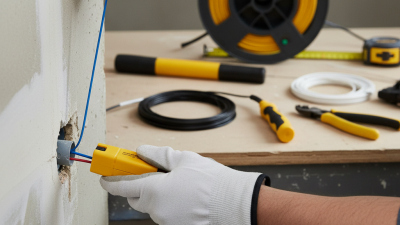
Choosing fish tapes and rodders comes down to route length, bend count, and the pull line’s rated capacity. Fish tape works well for shorter, enclosed runs; fiberglass rodders help push through longer paths and multiple bends. A thicker rod is usually stiffer, but it may struggle in tight conduit. Match the tool to the route, not just the distance. IEEE Std 1185-2019 identifies pulling tension and sidewall pressure as key cable-installation checks. That matters: a line that fits the conduit can still be unsuitable for the cable’s permitted pulling force.
Tips: Measure the full path, including vertical sections. Check the pull line’s rated capacity against the cable’s documented maximum pulling tension. Leave margin; do not treat the rating as a target. Inspect tape, rods, and connectors for kinks, cracks, or worn joints before use.
A practical choice starts with the conduit’s inside diameter and the number of bends. For a 30-metre run with several elbows, a flexible rodder may navigate better than a rigid tape, but the exact result depends on conduit condition. For long pulls, calculate tension and bend pressure before selecting the line. IEEE 1185 offers installation guidance, while cable documentation supplies product-specific limits. One easy mistake is choosing by length alone. Recheck the route. That extra check can prevent a damaged cable or a stuck tool.
Top Cable Pulling Tools in 2026: Typical Length Ranges
Compare common tool lengths to match the run. Ranges are representative configurations, not universal specifications.
How to choose: Fish tapes suit many conduit runs; steel is generally stiffer, while fiberglass tapes and rods offer different flexibility for routing. For longer duct runs, cable rodders are available in substantially greater lengths. Check the tool’s specified pull-line capacity and working-load rating before use—length alone does not indicate safe pulling capacity. Verify electrical ratings where relevant.
Match Rollers and Lubricants to the Capstan Equation: T₂ = T₁e^(μθ)
The capstan equation, T₂ = T₁e^(μθ), explains why a small friction change can sharply increase pulling tension around a bend. Here, μ represents friction and θ the angle of contact in radians. A larger bend angle raises tension; so can a rough roller, misalignment, or a dry cable jacket. Smooth, correctly sized rollers help reduce drag and keep the cable seated. Compatible pulling lubricant can lower friction further, but it must suit the cable material and installation conditions. Small details matter. The equation is a useful model, not a perfect field prediction: real pulls include changing contact, uneven surfaces, and movement.
The scale of grid construction makes careful pulling practice increasingly relevant. The International Energy Agency’s Electricity Grids and Secure Energy Transitions report says annual grid investment needs to rise from about $300 billion to more than $600 billion by 2030. The U.S. Department of Energy’s 2023 National Transmission Needs Study estimates transmission capacity may need to grow 57% by 2035 under its moderate scenario, relative to 2020. These reports describe infrastructure demand, not tool performance. Still, they underline why setup deserves attention. I still find it easy to focus on lubricant and overlook roller alignment. Check the cable path, estimate bend angles, and select rollers that support the cable without pinching it. Then apply lubricant evenly and monitor tension during the pull. A neat calculation helps; it cannot replace a careful site check.
Verify Pulls with a Dynamometer and the Cable’s Maximum Tension Rating
A dynamometer turns cable pulling from a guess into a measured operation. Placed inline between the pulling rope and cable grip, it displays force as the pull advances. Check its range, resolution, and calibration status before work begins. A display is only useful when it can read expected loads accurately. Small details matter.
The cable’s published maximum tension is not a target. Confirm the rating in the cable documentation, then set a lower stop point. Account for the capacity of the pulling head, swivels, rope, and connectors. The weakest-rated component sets a hard limit, while the cable maker’s installation guidance still applies. Pause if readings climb unexpectedly, the cable snags, or the route changes. A sudden spike can damage conductors before the jacket shows obvious trouble.
Record peak tension, distance, and pauses; those notes can help explain an unusual pull later. Keep the dynamometer aligned and watch it from a safe position, away from the moving line. Even careful crews can miss a brief spike. A peak-hold reading and a second person monitoring the display can help, though friction, bends, and instrument placement may complicate interpretation.