Top 10 Wire Pulling Tools for Efficient Cabling Solutions?
When it comes to cabling solutions, selecting the right wire pulling tools is crucial. The effectiveness of installation depends greatly on these essential tools. Many professionals face challenges like tangled wires or limited space. Choosing the right tools can significantly streamline the process.
Wire pulling tools come in various styles and functionalities. Some tools improve grip, while others enhance flexibility in tight spots. For instance, a good fish tape can make a challenging pull much easier. However, despite advancements, some users still report difficulties with certain tools. This indicates that not all products meet the real-world demands of professionals.
Understanding the limitations of wire pulling tools helps in selecting the best options. Each job may require a different approach. Exploring various tools ensures that you are prepared for common challenges. Investing time in equipment research can save frustration down the line. The right tools not only improve efficiency but also enhance the quality of the installation.
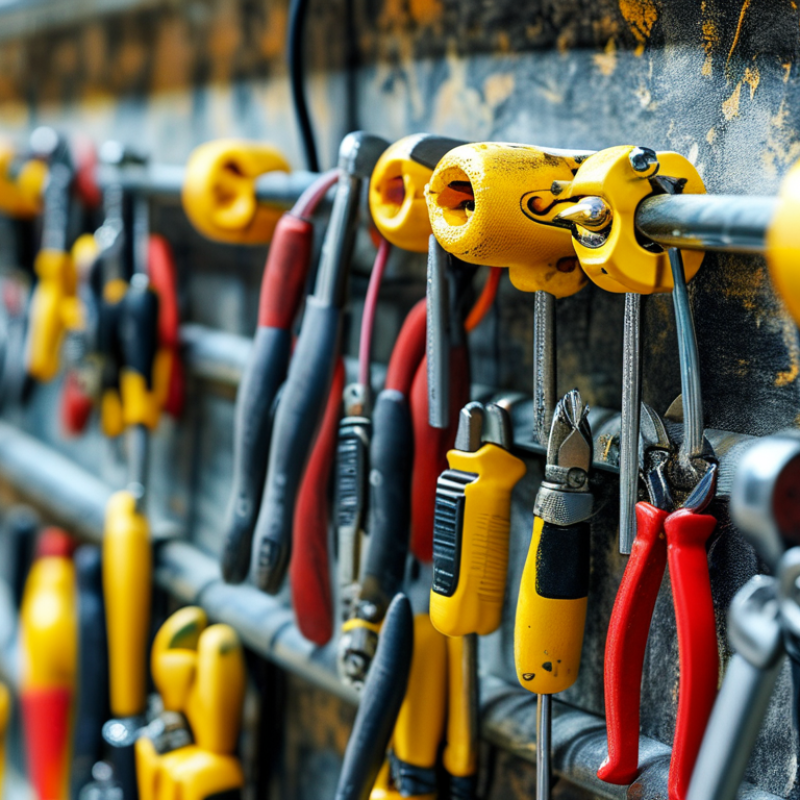
Top 10 Essential Wire Pulling Tools for Cabling Efficiency
When it comes to cabling efficiency, wire pulling tools play a crucial role. The right tools can significantly reduce installation time and improve overall workflow. According to a recent industry report, using effective wire pulling equipment can decrease labor costs by up to 30%. This highlights the importance of selecting the appropriate tools for wiring projects.
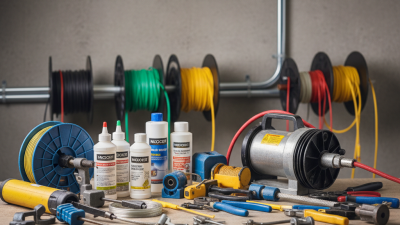
For cabling professionals, utilizing a variety of wire pulling solutions is essential. Tools such as fish tapes, wire lubricants, and pulleys can enhance the process. Fish tapes can help navigate tight spaces, while lubricants decrease friction, making pulls smoother. Pulleys can redirect cable paths, saving time and energy. Ensuring proper tool selection can increase efficiency and promote successful installations.
Tips for optimal wire pulling include planning your route beforehand and using the right lubricant. Avoid tangling cables by securing them properly during pulls. Check the weight of the cable. Overloading can lead to equipment failure. Always be mindful of safety; improper handling can lead to accidents. Reflecting on these details can improve the overall efficiency of your cabling solution.
Understanding the Importance of Wire Pulling Tools in Cabling
Wire pulling tools are crucial for efficient cabling solutions. These tools help ensure that cables are installed quickly and accurately, which minimizes downtime. According to industry reports, about 25% of cabling projects experience delays due to improper tools. This highlights the significance of using the right wire pulling tools.
Effective wire pulling can reduce labor costs by up to 30%. Using specialized tools decreases the risk of damage to cables. Damage can lead to costly rework and project delays. Research shows that many professionals overlook the importance of proper tool selection. This often results in inefficiencies that could have been avoided.
Consider investing in a cable lubricant as a tip. This can help reduce friction during the pulling process. Additionally, using a fish tape can make guiding cables through conduits much easier. Planning the layout in advance is equally important. Poor planning can lead to tangled cables and wasted time. Implementing these strategies can enhance productivity significantly.
Detailed Features of Each Wire Pulling Tool
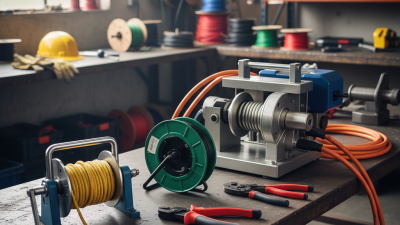
When it comes to wire pulling tools, efficiency and precision are key. Understanding their features can enhance your cabling solutions significantly. For instance, a typical wire puller can reduce installation time by up to 30%. This is crucial in projects where time and cost savings matter the most. Common features include adjustable grips and durable cables, which allow for various wire gauges.
Another important tool is the fish tape. It simplifies the task of fishing cables through walls or conduits. Fish tapes with a high tensile strength can withstand up to 250 pounds of pulling force. This makes them suitable for heavy-duty applications. However, users should note that proper technique is essential. Misuse can lead to damaging both the tape and cable, resulting in wasted effort and resources.
A wire guide can also streamline the process by ensuring correct cable alignment. This is particularly useful in tight spaces. Ensuring the correct setup improves the flow of the installation process. An analysis of industry practices indicates that improper tool selection can lead to a 40% increase in project delays. Attention to detail in choosing tools is, therefore, vital for efficiency.
Best Practices for Using Wire Pulling Tools Effectively
When using wire pulling tools,
proper technique is key. Ensure you assess the cabling environment thoroughly.
Measurements can make a significant difference.
For instance, test the bending radius before you start. This prevents damage to cables and maintains performance.
It's important to use the right tool for the job.
Not all wire pulling tools work well in every situation. Sometimes, you might feel tempted to use a tool for multiple tasks.
However, this can lead to inefficiency. Triple-check your tool selection to match the cable size and type.
Pay attention to your body mechanics during the process.
Poor posture can lead to injuries.
Take regular breaks to avoid fatigue. Reflect on your method each time, and you may find small areas for improvement.
Every project offers a lesson; take note of what works and what doesn't.
This approach not only enhances your skills but also boosts safety.
Maintenance and Safety Tips for Wire Pulling Equipment
Maintaining wire pulling tools is crucial for efficient cabling. Regular checks can prevent costly mistakes. Inspecting equipment for wear and tear ensures safety and efficiency. A small crack in a tool may lead to major issues later on. Always replace damaged components promptly to avoid hazards.
When using wire pulling equipment, practice safety at all times. A simple rule: wear protective gear. Gloves, goggles, and hard hats are essential during operations. These items shield against potential injuries. Additionally, always have a buddy system in place. Working in pairs can help manage equipment better and spot hazards quickly.
Tips to remember: Always clean your tools after use. Dirt can affect performance and longevity. Store tools in a dry and organized place to avoid damage. Regularly lubricate moving parts. This simple step minimizes friction and prolongs tool life. Staying organized can save time and prevent accidents during a project.