What is a Wire Tray and How is it Used in Electrical Installations?
A wire tray is an essential component in electrical installations. It serves as a support structure for managing cables and wires. Designed for durability and flexibility, a wire tray makes it easier to organize and maintain electrical systems.
In industrial and commercial settings, using a wire tray can enhance safety and accessibility. Properly arranged cables reduce the risk of damage and fire hazards. Yet, many installations still overlook the benefits of wire trays. Some may not recognize how effective organization can prevent costly downtimes.
Moreover, wire trays come in various styles and materials. This variety allows for customization based on specific project needs. However, not every installation is perfect. Some may choose inappropriate sizes or neglect maintenance. This can lead to chaos and confusion in cable management. Being aware of these pitfalls can help improve overall effectiveness in electrical installations.
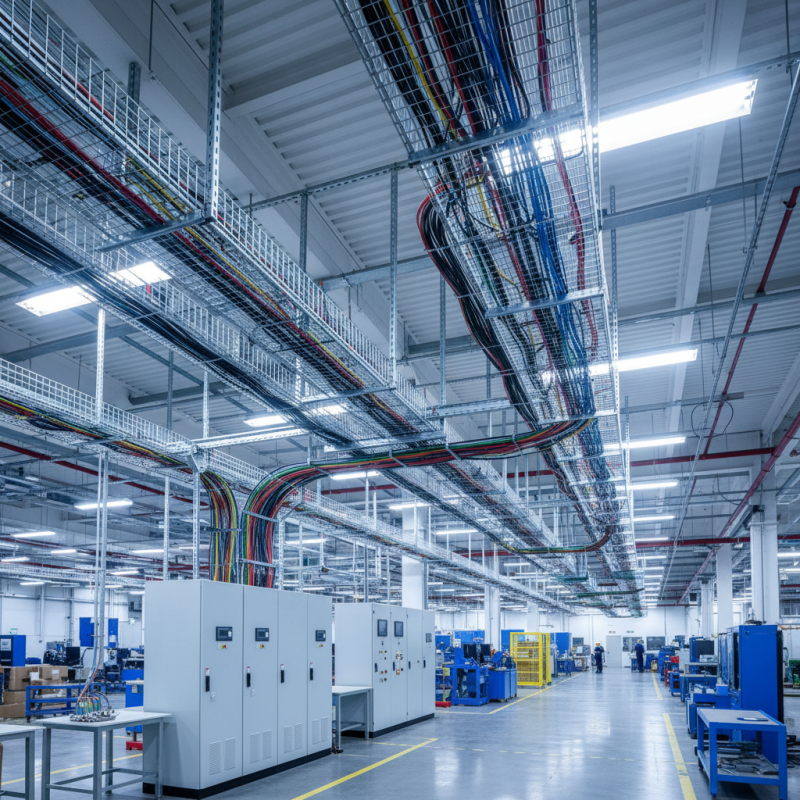
Definition and Purpose of Wire Trays in Electrical Installations
Wire trays are essential components in electrical installations. They provide support and organization for wires and cables. Functionally, wire trays allow for easy routing of electrical conductors. This system reduces clutter and promotes safety.
In many installations, optimizing space is crucial. Wire trays can be installed on walls, ceilings, or floors. This versatility helps maintain a neat appearance. However, some might overlook proper maintenance. Dust and debris can accumulate, leading to potential hazards. Regular inspections are necessary for safety.
Another consideration is the load capacity of wire trays. Overloading can lead to damage. It is essential to understand the weight limits. This aspect is often neglected by installers. They may assume all trays hold the same amount. Awareness and education can help prevent these common mistakes. Proper use of wire trays enhances efficiency in electrical setups.
Types of Wire Trays: Materials and Designs Explained
Wire trays are critical in electrical installations. They provide a structured method to manage cables and wires. Different types of wire trays exist, each serving specific needs. Depending on the materials used, wire trays can be categorized as metal, plastic, or fiberglass. Metal trays, often made from steel or aluminum, are durable and robust. They are well-suited for heavy-duty applications. Plastic trays offer lightweight options, ideal for environments resistant to corrosion. Fiberglass trays combine strength with flexibility, making them useful in industrial settings.
When selecting wire trays, consider the design as well. Open wire trays allow for better air circulation. This reduces heat buildup, essential for the longevity of electrical systems. Solid bottom trays offer more protection against dust and environmental factors. However, they might trap heat. According to industry reports, nearly 50% of electrical failures stem from poor cable management. Thus, choosing the right type of tray can significantly impact the installation's effectiveness.
Ignoring specific installation requirements can lead to mistakes. For example, if a tray is not sized correctly, it may overheat. Also, insufficient support can compromise cable integrity. It's essential to evaluate both the materials and designs of wire trays for optimal performance. Always refocus on safety standards and guidelines. This will minimize risks associated with cable management.
Installation Process: Steps for Setting Up Wire Trays
Installing wire trays is essential for organizing electrical cables. The process begins with planning the layout. Consider the building's structure and the cable paths. Accurate measurements are important. A ruler and level are helpful tools.
After planning, the next step is to secure the trays. Use appropriate anchors and mounting hardware. Ensure they are level and firmly in place. It’s crucial to avoid loose fittings. Safety is a priority. Check everything twice. Even small errors can lead to future problems.
Next, lay the cables into the trays. Keep them neat and organized. Avoid crowding; cables need space. Use cable ties for extra security. Sometimes, it’s easy to overlook cable management. Reflect on this as a key part of the installation. Regular checks for wear and tear can prevent accidents. Each step matters, and attention to detail is vital.
Wire Tray Installation Process: Steps and Time Taken
Applications of Wire Trays in Various Electrical Systems
Wire trays play a crucial role in modern electrical installations. These trays help organize and support wiring for various electrical systems. They come in different materials, such as steel and aluminum, making them versatile for diverse environments. According to a recent industry report, the global wire tray market is projected to reach $1.5 billion by 2025, reflecting their growing importance in construction and electrical projects.
In commercial buildings, wire trays are commonly used for cable management. They provide an effective solution for routing electrical and communication lines. Facilities like hospitals and schools benefit significantly from this organization. A well-designed wire tray system can reduce installation time by up to 20%. However, the installation process must be carefully managed to prevent overcrowding or improper placement of cables, which can lead to maintenance issues down the line.
In industrial settings, wire trays support heavy-duty applications. They are essential in factories where extensive wiring systems are necessary. Miscalculating load capacities can lead to significant challenges. Sometimes, installers overlook environmental factors like temperature and humidity, which can affect tray performance. It’s important to regularly assess the system to ensure safety and functionality.
What is a Wire Tray and How is it Used in Electrical Installations? - Applications of Wire Trays in Various Electrical Systems
| Application Area |
Wire Tray Type |
Material |
Load Capacity (lbs) |
Typical Usage |
| Commercial Buildings |
Ladder Tray |
Steel |
1000 |
Power distribution |
| Industrial Plants |
Mini Trays |
Aluminum |
500 |
Small wire management |
| Data Centers |
Basket Tray |
Galvanized Steel |
750 |
Data cabling |
| Residential Buildings |
Perforated Tray |
PVC |
300 |
Home networking |
| Telecommunications |
Solid Bottom Tray |
Stainless Steel |
800 |
Cable protection |
Benefits of Using Wire Trays for Cable Management and Safety
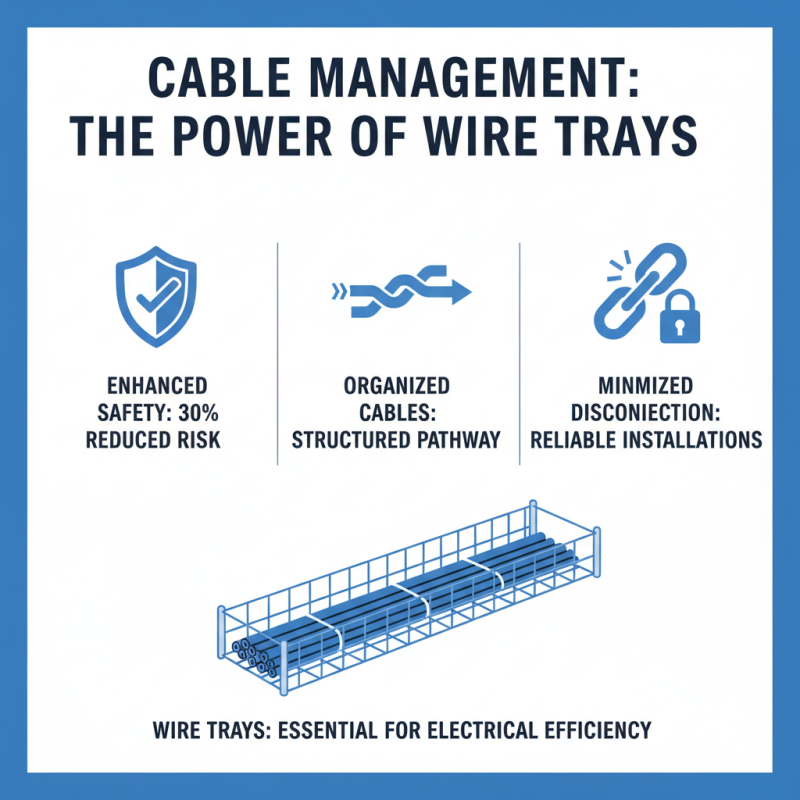
Wire trays are essential for effective cable management in electrical installations. They provide a structured pathway for cables, reducing clutter. Studies indicate that organized wiring can improve safety by 30%. In chaotic environments, the risk of accidental disconnection rises. A wire tray minimizes this risk significantly.
Another notable benefit is that wire trays facilitate air circulation. Heat buildup can damage cables over time. According to research, proper airflow can extend cable lifespan by up to 25%. In many installations, neglecting this aspect leads to higher maintenance costs. Regular inspections are sometimes overlooked. Still, addressing these issues proactively is crucial.
Installation of wire trays is often straightforward. However, many professionals face challenges with space constraints. A lack of planning can result in poorly managed cables that may hinder performance. Ensuring adequate space before installation is vital. Wire trays can improve organization, but impractical setups can lead to inefficiencies.