What Is Cable Conduit and What Types Are Available?

When electrical and communication cables run through a building, protection is not optional. Cable conduit provides a defined pathway that shields conductors from impact, moisture, abrasion, heat, and accidental contact. It also keeps cable routes organized, making inspection and future replacement more manageable. A conduit system is more than a hollow tube. Its material, diameter, fittings, bend radius, and installation environment all affect safety and performance. Small choices matter.

This guide examines common conduit options, including rigid metal conduit, electrical metallic tubing, flexible metallic conduit, PVC conduit, and liquidtight flexible conduit. Each type has a practical purpose. Metal can offer strong mechanical protection and grounding continuity when installed correctly. PVC resists corrosion and remains useful in damp or chemically aggressive areas, though it may need additional support or impact protection. Flexible products help around motors, panels, and equipment that vibrates or moves. They are convenient, but convenience has limits. Excessive bends, crowded interiors, or poorly sealed fittings can make cable pulling difficult.

Choosing well requires more than comparing prices. Installers should check conductor fill, temperature ratings, environmental exposure, support spacing, and applicable electrical standards. Manufacturer instructions and local inspection requirements deserve equal attention. A clean route may still fail if water enters an unsealed fitting. A strong material may still perform poorly when its bend radius is ignored. This article offers a practical foundation for selecting cable conduit with greater confidence. It also acknowledges an uncomfortable truth: field conditions rarely match the drawing perfectly. Careful inspection, measured decisions, and qualified review remain essential.
What Is Cable Conduit and What Types Are Available?

What Is Cable Conduit?

Cable conduit is a protective pathway for electrical, communication, and control cables. It surrounds conductors and helps shield them from impact, moisture, dust, chemicals, and excessive bending. It can also organize crowded cable routes. It is not a cable.

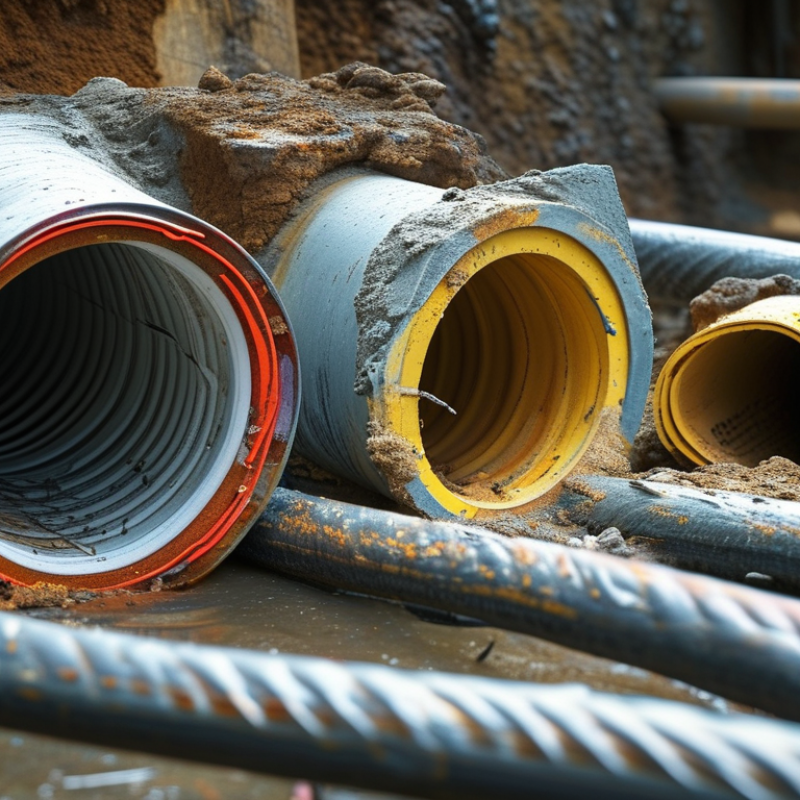
Conduit is commonly made from galvanized steel, stainless steel, aluminum, PVC, or flexible polymers. Rigid metal conduit suits exposed areas and locations needing strong mechanical protection. PVC conduit resists corrosion and works well in many buried or damp installations. Flexible conduit helps connect moving equipment, awkward corners, and vibration-prone machinery.

The IEC 61386 series classifies conduit systems by properties such as compression strength, impact resistance, and temperature performance.

Selection should match the environment, cable fill, pulling distance, and required bend radius. NFPA 70, 2023 Edition, provides detailed requirements for raceways, conductor protection, grounding, and installation methods in the United States. A 2024 U.S. Department of Energy report estimated that data centers consumed about 176 terawatt-hours of electricity in 2023. Higher equipment density increases the need for orderly, serviceable cable routes. That does not mean larger conduit is always better. Oversizing can waste space, while tight fill can damage insulation during pulling. In field work, installers often discover that heat, vibration, and future expansion were underestimated. It is an easy mistake. Conduit should protect cables without creating a new maintenance problem.
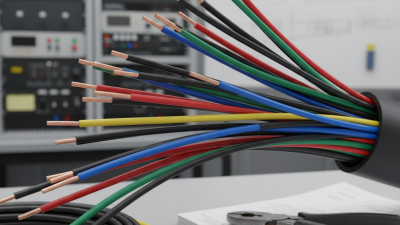

How Does Cable Conduit Protect and Organize Cables?

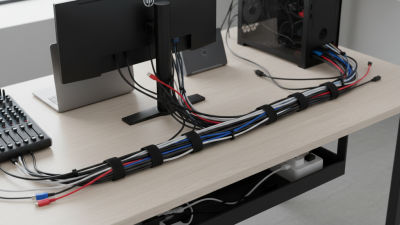
Cable conduit is a protective pathway that keeps cables together and away from common hazards. It helps resist impact, abrasion, moisture, dust, and accidental pulling. In a workshop, conduit can prevent a cable from rubbing against a sharp metal edge. In an office, it can hide loose wiring beneath a desk. A clear route also makes inspections and repairs easier. The protection is practical, not absolute. Water, heat, and poor installation can still damage cables.

Rigid conduit provides strong mechanical protection and suits walls, ceilings, and industrial areas. Flexible conduit bends around equipment and moving parts, making installation easier in cramped spaces. Metallic conduit can improve physical strength and shielding. Nonmetallic conduit is lightweight and resists corrosion in damp locations. Cable trunking offers a wider channel for grouped cables and simpler access. Selection should follow the environment, cable size, bend radius, and required fire performance. Do not fill it tightly.

Good installation depends on small details. Supports should prevent sagging, while smooth fittings reduce abrasion at entry points. Keep power and data cables separated when interference may affect signals. Label both ends before closing the route. In field inspections, crowded conduit is a repeated problem. It looks tidy, but future repairs become frustrating. No layout is perfect. A technically correct design can still be awkward to service, so leave spare capacity and accessible inspection points whenever possible.

What Are the Main Types of Cable Conduit?

Cable conduit protects insulated wires from impact, moisture, chemicals, and accidental contact. Its selection depends on movement, heat, installation space, and local electrical rules. The main categories are metallic and nonmetallic conduit, each available in rigid or flexible forms.

Rigid metallic conduit, commonly made from steel or aluminum, offers strong mechanical protection in factories, garages, and exposed service areas. It also provides effective grounding when installed correctly. Flexible metallic conduit bends around pumps, motors, and tight equipment connections. However, frequent movement can damage poorly supported runs.

Rigid nonmetallic conduit resists corrosion and works well underground or in damp locations. Flexible nonmetallic conduit is lighter and easier to route around bends, though it usually offers less impact resistance.

The International Energy Agency reported that data centers consumed about 240–340 terawatt-hours of electricity in 2022. That demand may reach 620–1,050 terawatt-hours by 2026, increasing the need for organized, serviceable cable pathways.

Liquidtight flexible conduit is useful near cooling equipment and outdoor machinery, where water and vibration create extra risks. NFPA 70 and the IEC 61386 series emphasize fill limits, bending requirements, temperature ratings, and mechanical protection.

These details matter. Real installations are rarely perfect. A conduit may meet its basic rating yet remain difficult to inspect or replace. Leave practical access, not only minimum compliance.

Which Materials Are Used to Make Cable Conduit?

Cable conduit protects wires from impact, moisture, chemicals, heat, and abrasion. Its material determines how it performs on a wall, underground, or inside industrial equipment. The International Energy Agency’s Electricity 2024 report expects global electricity demand to grow by about 4% annually through 2026. That expansion increases the need for durable cable protection.

PVC is common because it is lightweight, corrosion-resistant, and easy to cut. It suits indoor walls and many buried installations, but it can become brittle in severe cold or deform near high heat. High-density polyethylene offers better flexibility and moisture resistance. It is often selected for underground routes and difficult ground conditions. PlasticsEurope reported global plastics production of 400.3 million tonnes in 2022. That figure shows the material’s scale, but not every plastic conduit has equal quality or recyclability.

Metal conduit usually uses galvanized steel, stainless steel, or aluminum. Steel provides strong impact protection and useful electromagnetic shielding. Stainless steel performs better in corrosive environments, while aluminum reduces weight. Fiberglass-reinforced plastic adds corrosion resistance without becoming as heavy as steel. It can be a practical choice near saltwater or chemical processing areas. The IEC 61386 series evaluates conduit systems for mechanical strength, temperature, and protection performance. Yet selection is not always perfect. A thicker conduit may protect cables better, but it can complicate bending, storage, and installation. Engineers should verify fire behavior, UV exposure, cable fill, and local code requirements before choosing a material.

How Do You Choose the Right Cable Conduit?

Cable conduit is a protective pathway for electrical and communication cables. It can be rigid, flexible, metallic, or non-metallic. The right choice depends less on appearance and more on the installation environment.

Start with exposure.

Outdoor runs need strong UV and weather resistance. Wet areas require suitable ingress protection and sealed fittings. Industrial spaces may demand impact resistance, chemical resistance, or improved fire performance. Metallic conduit can help with grounding and electromagnetic shielding, while flexible conduit suits vibrating equipment and tight bends. It is easier to install, but it may offer less mechanical protection.

Measure the cable bundle carefully.

Keep the conduit below its recommended fill capacity, leaving room for heat dissipation and future cables. Check each cable’s minimum bend radius before selecting elbows or flexible sections. Temperature also matters. A conduit rated for indoor use may become brittle beside hot machinery or fail under direct sunlight. Do not ignore pulling distance; long, crowded runs can damage insulation during installation.

A practical selection also includes fittings, supports, drainage, and access points.

In field inspections, poor sealing causes more trouble than the conduit itself. I have seen carefully chosen tubing fail because water entered through an unprotected joint. That detail is easy to miss.

Verify local electrical requirements and the conduit’s test documentation before installation. Cheap material may look acceptable, yet replacement labor can cost far more.