Choosing the right THHN wire in 2026 starts with the job, not the price tag. THHN describes an insulated conductor commonly pulled through conduit; it is not a one-size-fits-all wiring solution. The correct gauge depends on expected load, circuit length, installation conditions, and the equipment’s terminals. A wire that looks substantial on a spool may still be undersized for the actual circuit. Small details matter.
This guide explains how to compare conductor size, copper or aluminum, insulation markings, temperature ratings, and voltage-drop needs. It also covers conduit fill and the conditions where a dual-rated THHN/THWN-2 conductor may be appropriate. Check the wire’s printed markings and manufacturer data, rather than relying on color or a product listing alone. Those details are easy to overlook. Yet they can change what is suitable.
Reliable selection means checking the full installation, including the breaker, connected equipment, ambient temperature, and termination ratings. Requirements can vary by location and application, so confirm current local rules and consult a qualified electrician when the design is uncertain. A practical guide can narrow your options, but it cannot replace a site-specific assessment. That distinction matters. It is tempting to focus only on wire gauge; I would pause there and verify the assumptions before buying.
Before choosing THHN, confirm the circuit’s voltage from the equipment nameplate and wiring plan. Check the full circuit path, not just the panel label. A 120-volt lighting circuit and a 240-volt appliance circuit can have different equipment and termination requirements. Voltage alone does not determine wire size. Details matter. Estimate the expected load and check the applicable ampacity tables, including the breaker rating and terminal temperature limits. It is tempting to size wire from the breaker alone, but that shortcut can miss important conditions.
Next, identify where and how the conductor will be installed. THHN insulation is generally intended for dry locations; a conductor marked with an additional wet-location rating may be suitable for those conditions when its listing allows it. Check the marking on the wire. In conduit, account for the number of conductors, conduit fill, ambient heat, and grouping, since these factors can affect allowable ampacity. Long runs may also need a voltage-drop check. Small details add up. If the route, load, or environment is uncertain, verify the design against current local requirements and consult a qualified electrician before buying wire. A careful second check is less frustrating than replacing an undersized conductor.
THHN selection starts with the conductor metal. Copper offers high conductivity and is commonly chosen where compact wiring and flexible installation matter. Aluminum is lighter and may suit larger feeder runs, but it generally needs a larger conductor for comparable ampacity. Its terminals must be listed for aluminum conductors and installed as specified. Actual sizing depends on load, installation conditions, and applicable electrical requirements.
Construction matters, too. THHN typically has thermoplastic insulation with a nylon outer jacket that helps resist abrasion when conductors are pulled through conduit. The THHN marking indicates a 90°C rating for dry locations; it does not, by itself, establish a wet-location rating. Many conductors carry additional markings, such as THWN-2, so read the full legend and product data. Markings matter. A 600-volt rating is common, but confirm it rather than assume. Also check conductor size, stranding, temperature limits, and conduit-fill requirements. Not always obvious. A wire that looks suitable on the reel may not fit the job’s conditions. I would double-check the markings against the installation plan before ordering; that small pause can prevent an expensive mismatch.
Compare insulation temperature ratings by wire marking and use condition.
THHN is rated for 90°C in dry locations. THWN is rated for 75°C in wet locations, while THWN-2 is rated for 90°C in wet locations. Check the actual wire marking: THHN alone is not a wet-location rating. THHN conductors have thermoplastic insulation with a nylon outer jacket; conductor metal and stranding vary by product. Choose copper or aluminum only when the wire, terminals, and installation are suitable. These insulation ratings are not ampacity values—allowable ampacity also depends on conductor size, installation conditions, and terminal temperature ratings.
Choosing THHN wire begins with the load, not the insulation label. Find the circuit’s expected current, then select a conductor whose allowable ampacity meets that demand. For example, a long equipment run may need a larger gauge to limit voltage drop, even when its ampacity appears sufficient. Small details matter.
Ampacity tables assume specific conditions. Check the conductor’s temperature rating, the equipment terminal limits, and the rules adopted where the work is installed. Then account for ambient heat and the number of current-carrying conductors bundled in a raceway. These factors can require ampacity derating, which may change the suitable gauge. Do not guess. A 90°C insulation rating does not automatically permit using the 90°C ampacity at a terminal rated lower.
A practical check is to trace the calculation: start with the load, apply applicable correction and adjustment factors, and confirm the final ampacity against terminal ratings and local requirements. Keep the calculation with the panel schedule or project notes. Tables are useful, but they cannot see a hot attic, crowded conduit, or an unusual load. I would recheck those assumptions before buying wire; small installation details are easy to overlook. When conditions or code requirements are unclear, have a qualified electrician verify the selection.
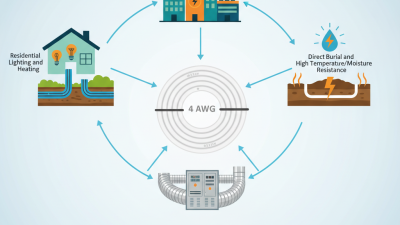
Choosing THHN wire starts with the raceway, not the spool label. A conduit running through a damp garage or outdoors can expose conductors to moisture. THHN alone is generally intended for dry locations; check the actual insulation markings for a wet-location rating, such as THWN-2, when needed. Read every marking. Raceway fill also matters: too many conductors can make a pull difficult and require ampacity adjustments. A crowded bend can turn a simple installation into a frustrating one.
Temperature ratings need careful interpretation. Wire insulation may carry a 90°C rating, but the final allowable ampacity can be limited by the connected equipment’s terminal temperature rating. Ambient heat and bundled conductors may reduce capacity further. Match wire size to the load, overcurrent protection, and installation conditions; don’t choose a larger rating based on insulation alone. Small details count.
Local rules can change the answer. Confirm which electrical code edition your jurisdiction has adopted, along with any amendments, permit requirements, and inspector guidance. A wiring method accepted in one town may not be accepted in another. For example, before pulling wire through a sun-warmed exterior raceway, verify its wet-location rating and account for heat exposure. I’d recheck the markings twice; it’s easy to assume two similar-looking wires have the same rating. When the load or conditions are unclear, ask a qualified electrician or local authority before installation.
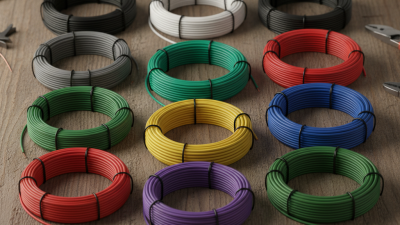
Before choosing THHN wire, inspect the jacket markings rather than relying on a shelf label. Confirm the conductor size, metal type, voltage rating, and insulation designation. THHN may also be marked THWN-2, but verify the exact markings on the wire you plan to install. Small details matter. Color alone does not identify a wire’s rating or intended use.
Check for a listing or certification mark from an appropriate testing organization, and make sure the spool label matches the wire. A listing is not a substitute for checking project requirements. Compare the marked ratings with the plans, conductor size, conduit conditions, terminal ratings, and applicable electrical rules. If the jacket print is damaged or unreadable, do not guess. It is easy to assume two similar-looking wires are interchangeable; that assumption deserves a second look.
Tips: Photograph the spool label and a clear section of jacket before installation. Keep the information with project records. Confirm uncertain details with a qualified electrical professional, especially when plans and product markings do not agree. When in doubt, pause.