Ultimate Wiring Loom Tips for Efficient Wiring Solutions?
Effective wiring solutions hinge on understanding the importance of a quality wiring loom. A wiring loom organizes wires neatly, enhancing the overall functionality of devices. It minimizes confusion, prevents wear, and simplifies maintenance tasks.
Choosing the right materials is crucial. High-quality insulation protects against environmental factors and reduces the risk of short circuits. However, even expert electricians can face challenges when creating an efficient wiring loom. Misjudgments in length or gauge can lead to performance issues.
Don’t overlook the importance of planning your layout. The arrangement of wires affects both aesthetics and accessibility. A well-structured loom not only looks professional, but also projects reliability. Reflecting on past projects can help pinpoint areas for improvement. Sometimes, the simplest solutions yield the best results. Embrace the learning journey with your wiring loom for optimal outcomes.

Understanding the Basics of Wiring Looms and Their Applications
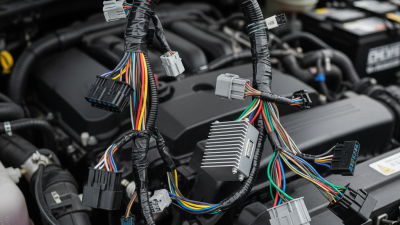
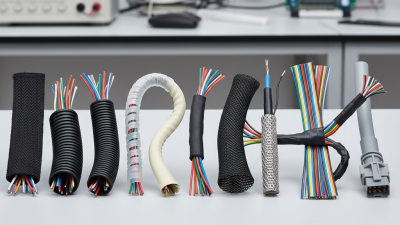
Wiring looms are essential in organizing wires and cables in various applications. Understanding their basics can significantly enhance efficiency. A wiring loom simplifies installation, reduces clutter, and provides protection against wear and tear. They’re commonly used in automotive, aviation, and industrial settings. Choosing the right type of loom for your project is vital to ensure optimal performance.
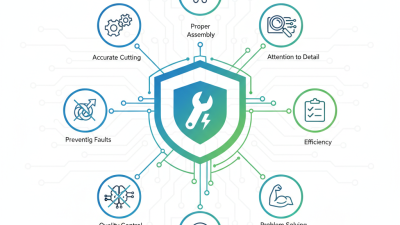
When working with wiring looms, consider these tips. First, plan your layout carefully. Visualize how cables will run to avoid overlap or tight bends. This prevents future issues. Second, use proper tools for cutting and joining wires. Good quality tools can make a difference. Lastly, label your wires. Clear labels prevent confusion during maintenance or troubleshooting.
Working with wiring can be challenging. Mistakes like incorrect splicing can lead to malfunctions. Spend time validating your connections after completing the loom. It’s a simple step that can save hours of frustration later. Even experienced technicians can overlook small details. Always review your work with a fresh perspective.
Ultimate Wiring Loom Tips for Efficient Wiring Solutions
| Tip |
Description |
Application |
Benefits |
| Choose the Right Loom |
Select looms that match the wire gauge and environmental conditions. |
Automotive and aerospace wiring. |
Prevents damage and ensures longevity. |
| Plan the Layout |
Map out the installation paths to avoid interference. |
Industrial machinery setups. |
Streamlines installation and reduces errors. |
| Use Quality Materials |
Invest in high-quality cables and connectors for reliability. |
Home electrical systems. |
Enhances safety and reduces maintenance costs. |
| Label Everything |
Clearly label wires and connections for easier troubleshooting. |
Complex control panels. |
Saves time during repairs and modifications. |
| Regular Inspections |
Conduct routine checks to identify wear or damage. |
All electrical systems. |
Prolongs lifespan and enhances safety. |
Essential Tools for Creating and Managing Wiring Looms
Creating and managing wiring looms requires the right tools and techniques. A wire stripper is essential for preparing wires. It ensures clean cuts and prevents damage to the core. Consider investing in a high-quality crimping tool as well. It securely attaches connectors to the wires. The right tools can make a significant difference in your project.
Heat shrink tubing adds another layer of protection to your wiring. It seals connections and prevents fraying. Make sure to have a heat gun on hand for this process. Labeling tools are also vital. Keeping track of wires can get messy quickly. Use color-coded labels or tags to maintain clarity.
Practice is key when creating wiring looms. You might encounter mistakes. Uneven cuts and loose connections can happen. Reflecting on these errors is essential for improvement. Start with smaller projects to gain confidence. Evaluate your methods and refine them over time. Each attempt brings valuable lessons.
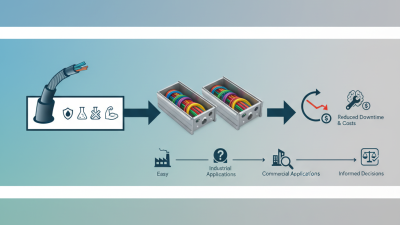
Ultimate Wiring Loom Efficiency Analysis
Step-by-Step Guide to Designing an Efficient Wiring Layout
Designing an efficient wiring layout requires careful planning and attention to detail. According to the National Electrical Contractors Association (NECA), poor wiring design can increase installation costs by up to 30%. Start by analyzing the space where the wiring will be installed. This will help in determining the cable lengths and layout.
Consider using a structured wiring approach. It simplifies the installation and promotes better organization. Implementing proper cable management techniques can enhance efficiency. A study by the Institute of Electrical and Electronics Engineers (IEEE) indicates that well-organized cables can improve airflow and reduce overheating by 20%. Make sure to label your wires. This promotes easy identification during maintenance.
Reflect on common mistakes in wiring layouts. Overcrowding wires can lead to significant issues down the line. It’s essential to leave enough space for future modifications. Take the time to periodically review wiring designs. Regular maintenance checks ensure all systems are functioning as intended. These strategies can lead to a more efficient, reliable wiring solution.
Common Mistakes to Avoid When Working with Wiring Looms
When working with wiring looms, avoiding common mistakes is crucial. A recent industry report indicates that nearly 30% of wiring issues stem from poor planning. Many technicians overlook the importance of a thorough schematic. This simple mistake can lead to confusion and costly errors.
Another frequent error is neglecting to label wires clearly. This oversight can create chaos during installation, making troubleshooting an ongoing challenge. A study by the Institute of Electrical and Electronics Engineers (IEEE) highlights that mislabeled connections lead to a 25% increase in project completion time. Implementing a consistent labeling system can mitigate these risks significantly.
Additionally, using inadequate materials can compromise wiring integrity. Cable insulation must match the application needs. Using low-quality components for high-stress environments can lead to premature failures. It’s essential to choose materials that align with industry standards. Keeping these details in mind can make a substantial difference in long-term performance.
Best Practices for Maintaining Your Wiring Looms for Longevity
Maintaining wiring looms is crucial for ensuring their longevity and efficiency. According to industry reports, up to 30% of electrical failures in vehicles can be attributed to damaged wiring harnesses. Regular inspections can help identify potential issues early, reducing downtime and repair costs. Look for signs of wear, such as frayed insulation or loose connections. These visual checks can reveal problems that may not be immediately apparent.
Proper storage of wiring looms is equally important. Keep them in a dry, temperature-controlled environment. Exposure to moisture and extreme temperatures can degrade materials over time. For example, a study showed that wiring looms stored in high-humidity environments had a 40% higher failure rate. Additionally, organizing wiring looms with cables tied securely helps prevent tangling or chafing during installation.
Using correct installation techniques also enhances longevity. Avoid excessive bending or stretching when routing wiring. Over time, stress on the wires can lead to fatigue and subsequently, failure. It's a mistake many make, overlooking the importance of gentle handling. Regular maintenance, combined with informed handling techniques, creates a more reliable electrical system.