Where to Buy the Best Wire Ties from China?
Buying wire ties from China can look simple. The product seems small, standard, and easy to compare. Yet differences appear quickly in the details. A strong supplier controls material quality, tensile strength, mold accuracy, packaging, and delivery consistency. These factors matter when wire ties are used in cable management, construction, gardening, automotive work, or industrial assembly.
Michael Lam, a China sourcing consultant specializing in fastening products, says, “The lowest price is rarely the lowest total cost.” This principle deserves attention. A cheaper batch may contain brittle nylon, uneven teeth, weak locking heads, or inconsistent colors. Those flaws may not appear during a quick inspection. They can surface after heat, pressure, sunlight, or repeated handling.
Reliable buyers should examine factory experience, production equipment, sample quality, and inspection procedures. Ask for material details, dimensions, working temperature, and available certifications. Request samples before placing a larger order. Check whether the supplier produces wire ties directly or resells them. That distinction can affect communication and accountability.
Supplier verification is not always perfect. Online photos can look impressive. A polished catalog proves little by itself. Factory videos may also show selected areas. Buyers should compare samples with written specifications and confirm packaging before shipment.
The best purchasing decision balances price, performance, communication, and risk. China offers many capable manufacturers, but quality varies widely. Careful comparison takes more time. It can prevent costly replacements later. With practical testing and clear requirements, buyers can find wire ties that perform reliably rather than merely appear inexpensive.
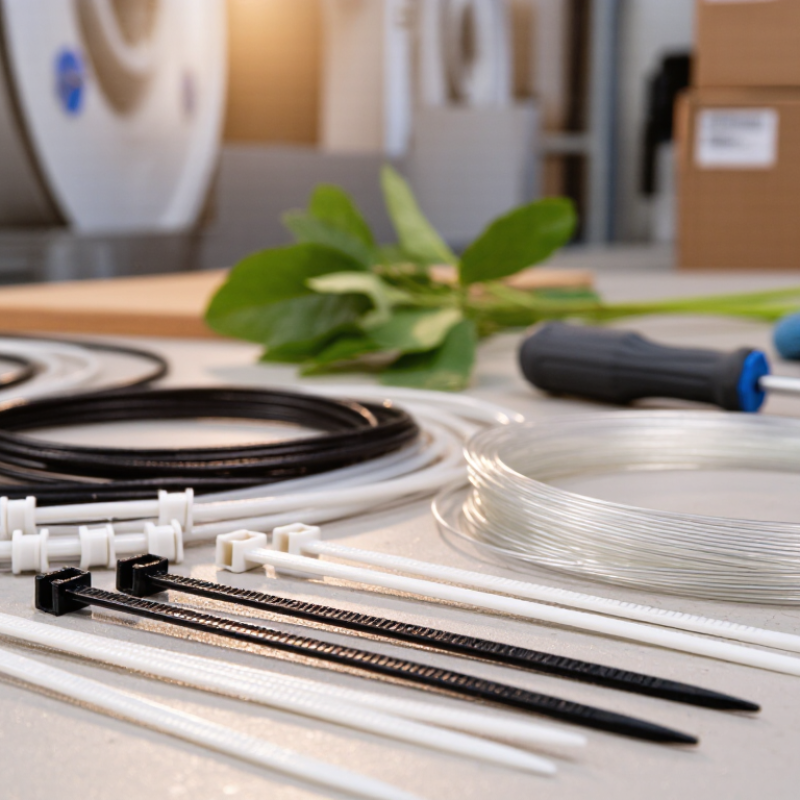
Wire ties differ widely in material, structure, and working conditions. Nylon cable ties suit electrical cabinets, control panels, and indoor harnesses. They are lightweight, flexible, and economical. UV-resistant nylon performs better outdoors, especially near rooftop equipment and exposed wiring.
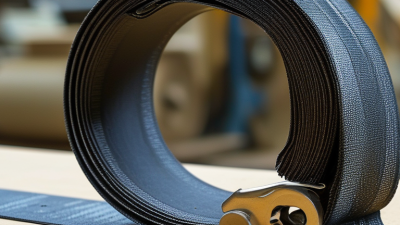
Stainless steel ties handle heat, vibration, moisture, and demanding industrial environments. They are common in automotive systems, marine equipment, exhaust areas, and heavy machinery. Releasable ties support temporary assembly and maintenance work. Push-mount ties attach harnesses to panels without extra clips. Identification ties include writable tags for clear circuit labeling. In packaging lines, wider ties can secure cartons or bundled components.
A practical sourcing lesson is simple. Ask Chinese suppliers for samples before placing large orders. Check material grade, tie length, head design, tensile strength, and operating temperature. Test several pieces, not only one. A tie may look perfect but fail after repeated bending. Request batch inspection records and clear packaging details. Certificates can support confidence, but they should match the actual product.
Tips: Define the application first. Specify indoor or outdoor use. Measure the bundle diameter carefully. Leave room for future cables. For harsh conditions, test heat, moisture, and vibration resistance. Also inspect locking teeth and cutting edges. Small defects can slow installation. Don’t choose only by price.
Where to Buy the Best Wire Ties from China?
How to Identify Reliable Wire Tie Manufacturers in China
Reliable wire tie manufacturers reveal their process clearly. Start by checking factory registration, production history, and export experience. Ask for recent product photos, not only polished catalog images. A serious supplier should explain wire material, coating thickness, tie length, and acceptable tolerance.
Request samples before discussing large orders. Test the ties for tensile strength, rust resistance, and twisting performance. Use the same tools and conditions for every sample. Inspect the cut ends carefully. Sharp edges can damage packaging or injure workers. Ask whether the factory performs batch inspections and keeps inspection records. Details matter.
Do not rely on price alone. A very low quote may hide thinner wire, inconsistent coating, or changing specifications. Request a written quotation with material grades, packaging details, lead time, and replacement terms. Reliable manufacturers usually answer technical questions directly. Slow replies are not always a rejection, but vague replies deserve caution.
A factory audit can reveal more than a website. Check storage areas, testing equipment, labeling, and worker safety practices. Confirm that production capacity matches the promised order volume. I have seen attractive samples fail during repeated twisting tests. That mistake is easy to make. Independent inspection is useful when the order is large or specifications are critical. Keep every approved sample and document version. Specifications can drift quietly.
Chinese wire tie suppliers are easiest to compare through established wholesale platforms and verified industrial directories. I usually begin with suppliers showing clear specifications, factory photos, production capacity, and export experience. A polished product page is not enough. Ask about wire material, coating, diameter, length, tensile strength, and packaging options. These details affect performance during bundling, shipping, and storage.
I once trusted a low quote without checking the sample. That assumption was wrong. The ties arrived with uneven coatings and inconsistent lengths. Now, I request samples before discussing large orders. I also compare at least three suppliers, review response times, and confirm minimum order quantities.
Reliable sellers should provide inspection records, production timelines, and readable invoices. Wholesale platforms can simplify communication, but supplier badges do not replace verification. Buyers should check payment protection, shipping terms, and import requirements for their market.
A small trial order may cost more initially, yet it reveals quality problems earlier. Keep written records of approved samples and exact specifications. That step is easy to overlook.
Suppliers may also offer customized labels or bundle sizes, but unclear packaging can create warehouse confusion. Ask for carton dimensions, net weight, and loading photos before shipment. d...
When comparing wire ties from China, begin with the wire core, not the color or packaging. Check the metal type, diameter, tensile strength, and coating thickness. A tie with a smooth plastic coating should resist cracking when twisted around a cable. It should also remain flexible after bending several times. Cheap samples can look perfect at first.
Ask suppliers for material specifications and recent test reports. Reports should identify the tested batch, test method, and laboratory. For outdoor use, examine salt-spray performance, moisture resistance, and ultraviolet stability. For hot equipment, confirm the working temperature range. A tie that softens near a warm pipe is a poor choice. Always compare samples from different production batches.
Practical inspection reveals details that documents may miss. Measure ten pieces with calipers and record the variation. Pull several ties until failure, then compare the results. Inspect cut edges for sharp wire points and uneven coating. Packaging also matters; damp cartons may signal weak storage control. I have found that a bright finish can create false confidence. Appearance is useful, but it cannot replace testing. Request production photos, traceability information, and clear replacement terms before placing a large order. Even then, sampling every shipment is wiser than trusting one successful test.