How to Choose the Right Multi Conductor Cable in 2026?
Choosing the right multi conductor cable in 2026 starts with the job it must perform, not the lowest price per metre. Power, control, and signal circuits place different demands on conductors and insulation. A cable running through a warm machine cabinet may need a different temperature rating from one exposed to oil, moisture, or repeated movement. Small details matter.
The wider electrical landscape makes careful selection more important. The International Energy Agency’s Electricity 2024 report projects global electricity demand will grow by an average of 3.4% annually from 2024 to 2026. That forecast does not specify cable demand, but it points to expanding pressure on electrical systems. In practice, buyers should compare conductor material and size, core count, voltage rating, insulation type, shielding, and installation conditions. Check the manufacturer’s datasheet, too. Ratings can change with ambient temperature, cable grouping, and installation method.
There is no universal best cable. Not even close. A flexible cable may suit moving equipment, while a shielded design may help limit electrical interference in sensitive signal circuits. Yet shielding alone cannot fix poor routing or unsuitable grounding. I’ve seen specifications focus heavily on conductor size and overlook bending radius; that can create installation problems later. It is an easy detail to miss. Before ordering, confirm the required standards, operating conditions, and termination compatibility with the project’s qualified engineer. This guide explains how to weigh those factors and choose a cable that fits the actual application—not just the catalog description.
Define the Application, Signals, and Required Conductor Count
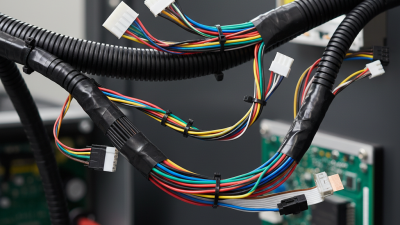
Before comparing cable sizes, write down what the cable must do. A sensor may need two conductors for power and a separate pair for its signal. A motor control circuit may need several switched lines, a common return, and a protective earth. Count each electrical path, not each device. Start there.
List every signal and its electrical needs. Note voltage, current, signal type, and whether noise could affect readings. Low-level sensor signals often benefit from twisted pairs; shielding may help near variable-speed drives or other electrical noise sources. Shielding is not a cure for poor routing, though. Check whether the cable will run beside power wiring, flex repeatedly, or face oil, moisture, or heat. These details change the cable choice.
Now make a conductor schedule. For example, two powered sensors with separate signal pairs may need six conductors, plus any required earth or drain wire. Confirm how the equipment handles returns; sharing one can introduce interference or complicate troubleshooting. A spare conductor can help during maintenance, but adding many unused cores increases size and cost. I have seen counts guessed from a wiring sketch, then revised after one overlooked alarm contact appeared. Measure twice. Verify the terminal diagram and leave room for practical routing.
Select Conductor Material, Gauge, and Electrical Capacity
Choosing a multi-conductor cable starts with the metal.
Copper offers higher conductivity in a smaller conductor, while aluminum can reduce weight and material cost. The International Annealed Copper Standard assigns copper 100% IACS conductivity; electrical-grade aluminum is commonly around 61% IACS. This comparison is useful, but it does not determine the final cable size. Check termination ratings, corrosion exposure, flexibility, and the manufacturer’s conductor specifications.
Gauge must match current, cable length, and installation conditions.
A larger conductor can reduce voltage drop, especially on long runs or motor circuits. The National Electrical Code’s 2023 Table 310.16 lists 12 AWG copper at 25 amperes in the 75°C column, under stated installation assumptions. That figure is not a universal operating target: ambient heat, bundled cables, insulation temperature, and terminal limits can require derating.
Heat changes everything.
For voltage drop, calculate using the actual one-way distance and load; I still see selection mistakes when people use room temperature and ignore cable bundles.
Electrical capacity also depends on how many conductors carry current.
IEC 60228 defines conductor classes and resistance requirements, helping buyers compare cable construction consistently. Request the cable’s rated voltage, conductor resistance, insulation temperature rating, and ampacity basis before ordering. Then verify the design against the applicable code and equipment terminals.
A neat gauge chart helps, but it cannot replace those checks.
Match Insulation and Jacket to Operating Conditions
How to Choose the Right Multi Conductor Cable in 2026?
Match insulation to the conductor’s voltage, temperature, and flexibility needs.
PVC can suit many general-purpose installations, while XLPE often handles higher operating temperatures. Silicone insulation stays flexible in demanding heat, but confirm its ratings for your exact use.
Heat changes everything.
Check the cable’s data sheet, not just its appearance.
The outer jacket faces the working environment. Choose a material rated for expected contact with oil, cleaning agents, moisture, sunlight, or abrasion. A cable routed through a warm machine enclosure may need different protection from one exposed to sunlight outdoors.
That matters.
A thick jacket is not automatically a better choice; stiffness can complicate tight bends and crowded trays. Leave room for installation conditions to vary.
Tips:
Compare the published temperature range with both normal operation and nearby heat sources. Verify chemical compatibility, bend radius, and enclosure entry requirements. If conditions are uncertain, document what is known and ask a qualified cable specialist to review the selection.
One detail is easy to miss:
jacket ratings do not replace insulation ratings.
Check Voltage, Temperature, Safety, and Compliance Ratings
How to Choose the Right Multi Conductor Cable in 2026?
Check Voltage, Temperature, Safety, and Compliance Ratings
A cable’s printed voltage rating must match the system, not just the equipment’s usual operating level. Check startup surges, grounding, and the highest expected voltage. Then confirm the conductor’s temperature rating against real conditions inside the enclosure. Heat builds quickly when cables are tightly bundled or routed beside motors. The insulation’s rating is not a substitute for checking conductor ampacity and installation derating. Small margins matter.
Safety ratings deserve the same attention. The U.S. Bureau of Labor Statistics’ 2022 Census of Fatal Occupational Injuries recorded 145 fatal work injuries involving exposure to electricity. That figure covers many hazards, not cable failures alone, but it underscores why correct selection and installation matter. Review the required flame, oil, moisture, and abrasion resistance for the route. Check twice. Verify that the cable’s listing and markings match the applicable electrical code and project specification; a rating accepted in one application may not suit another. IEC 60228 provides conductor requirements, while IEC 60332 addresses flame propagation in specified tests. Ask for test documentation, not just a sales description. I would also recheck ambient temperature and grouping assumptions before approval; these details are easy to overlook, and a borderline calculation deserves another review.
Confirm Shielding, Flexibility, Installation Needs, and Total Cost
Before choosing a multi-conductor cable, define what the run must withstand: electrical noise, motion, heat, moisture, and abrasion. Shielding is not automatic insurance. A foil shield can suit fixed runs with broad noise exposure; braided shielding handles flexing better but may add weight and cost. Check the equipment’s grounding method and connector compatibility, too. A shield installed poorly can create problems rather than solve them. For moving machinery, IEC 60228 distinguishes flexible Class 5 and extra-flexible Class 6 conductors from fixed-installation classes. Match the conductor class to actual bend frequency and radius, not just the word “flexible” on a datasheet. Small detail. Big difference.
Installation conditions shape total cost. Measure the route, including bends, cable-tray fill, pull tension, and service access. Confirm conductor size against current, voltage drop, temperature, and grouping with a qualified electrical professional. The U.S. Department of Energy’s Improving Motor and Drive System Performance sourcebook reports that motor-driven systems account for about 68% of electricity used in U.S. manufacturing. That figure is not a cable-savings estimate, but it shows why reliable motor connections matter. Compare purchase price with installation labor, suitable connectors, downtime risk, and replacement access. A cheaper cable can look sensible on paper. Then a tight bend or noisy sensor line changes the calculation. I would leave room for uncertainty: real operating conditions are often messier than the specification.