7 Tips for Choosing the Best Magnetic Wire Puller?

Choosing a magnetic wire puller is not just a matter of picking the strongest magnet. The right tool must suit the route, cable, and access points on the job. A narrow wall cavity, several metal studs, or a long conduit run can change what works. Small details matter.

The U.S. Bureau of Labor Statistics’ Census of Fatal Occupational Injuries tracks workplace deaths involving exposure to electricity. It is a sobering reminder that cable installation deserves careful planning, not rushed improvisation. OSHA’s electrical-safety guidance likewise emphasizes safe work practices around electrical hazards. These sources do not rate wire-pulling tools, but they support a practical point: plan the pull, inspect the path, and use equipment suited to the task.

A magnetic wire puller can help guide a line through concealed spaces, especially when access is limited. But magnet strength alone is not a reliable buying guide. Check the leader’s flexibility, the line’s working capacity, the tool’s grip through the expected material, and whether the kit includes useful retrieval accessories. Test the path where possible. A magnet may lose control around thick barriers or crowded metalwork. That sounds simple. It isn’t always. The following seven tips focus on those real-world trade-offs, helping electricians and maintenance teams compare tools without treating marketing claims as proof. Each choice should be matched to the installation, and a cautious test can reveal more than a confident guess.
7 Tips for Choosing the Best Magnetic Wire Puller?

Understand How a Magnetic Wire Puller Works

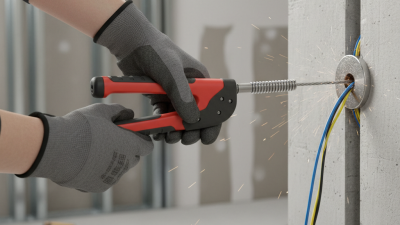
A magnetic wire puller guides a leader through a wall cavity or conduit using magnetic attraction. One magnet travels outside the surface; another magnet or steel leader inside follows it. Attach the cable only after the leader reaches the access point. The system works best across short, clear paths. Thick walls, sharp bends, and nearby steel can weaken attraction or divert the leader. It is not a wire detector.

The U.S. Bureau of Labor Statistics’ 2022 Census of Fatal Occupational Injuries recorded 145 fatal work injuries involving exposure to electricity. That figure is a safety reminder, not evidence that magnetic pullers prevent shocks. De-energize circuits where required, verify conditions with appropriate test equipment, and follow site procedures. A magnetic tool cannot confirm that a cable is safe to handle. Even experienced installers can misjudge what lies behind a finished wall.

Tips: Check the puller’s rated reach and test it on a similar wall before starting. Choose a model suited to the cable’s weight and route. Keep the leader close to the surface, and move slowly near metal studs. If the magnet slips, stop and reassess; forcing it may damage the cable or wall.


Assess the Cable Route and Installation Conditions

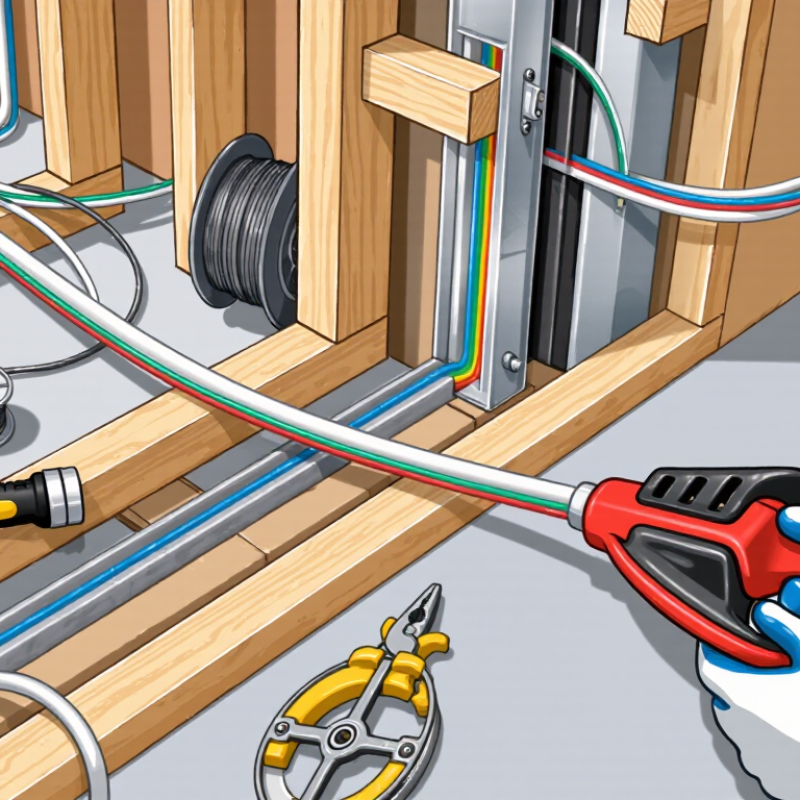
Before choosing a magnetic wire puller, map the cable route from entry point to exit. Measure its length, note every bend, and check for narrow cavities or abrupt changes in direction. A straight, open path is usually easier to pull than a route that turns behind framing. Small details matter.

Check what lies between the tool and the cable path. Thick walls, metal studs, insulation, and nearby steel can weaken or distract the magnetic connection. If possible, test the puller on a short section with similar materials before committing to the full run. A quick test may reveal a problem that measurements miss. It is easy to assume a clear cavity from one end, but hidden blocking can change the route entirely.

Consider access at both ends and the cable’s size and flexibility. Tight openings may call for a smaller leader, while sharp edges can snag or damage the cable jacket. Keep the pulling line aligned and use steady force; sudden jerks can loosen the connection. If the route includes several tight bends, revise the path or add an accessible pull point where practical. Record the obstacles you find, even if the notes are imperfect. The next person will appreciate them.

Compare Magnetic Strength and Pulling Capacity

Tip: Compare magnetic strength and pulling capacity as separate measurements. Magnetic strength describes how firmly the tool holds to a metal surface; pulling capacity describes the load it can move through a route. A strong hold does not guarantee an easy pull. Check how each figure was measured, including surface type and test conditions. Numbers without context can mislead.

Tip: Match capacity to the actual job. A lightweight cable through a straight, open cavity needs less force than a bundled cable crossing bends or rough edges. Check the cable’s weight, length, and route, then allow extra capacity for friction. That matters. Avoid choosing a tool based only on its maximum rating; real walls rarely match ideal test setups.

Tip: Look for a secure connection between the magnet, leader, and cable, and inspect the assembly before use. If possible, try the pull on a similar surface and route. Start gently, watch for slipping, and stop if resistance rises sharply. Test it. I would not treat one successful pull as proof that every installation will behave the same; small changes in angle or surface can make a noticeable difference.

7 Tips for Choosing the Best Magnetic Wire Puller? - Compare Magnetic Strength and Pulling Capacity
Tip What to Compare Practical Screening Guide Why It Matters What to Check
1. Match magnetic strength to the job Magnet holding-force rating and the distance between the magnet and the target Use the manufacturer’s stated rating as a starting point; expect attraction to drop sharply across drywall, insulation, or other gaps. A magnet’s advertised pull rating is usually measured against thick, flat steel in direct contact—not through a wall. Check the test conditions, target material, and whether the rating is stated in pounds-force (lbf) or newtons (N).
2. Compare usable pulling capacity—not magnet rating alone Rated line or cable tension, connector strength, and the intended pulling method Choose a tool whose documented working load exceeds the expected line tension, with a safety margin; do not treat magnetic holding force as a cable-pull rating. The line, hook, attachment, and tool body can have different load limits from the magnet. Look for a working-load limit or recommended pull tension. Avoid relying on a breaking-strength figure as a safe working load.
3. Consider the wall or conduit path Nonmagnetic material thickness, obstructions, bends, and access points For thicker barriers or long, obstructed routes, prioritize a system specifically designed and tested for that path rather than choosing by magnet rating alone. Air gaps, metal studs, foil-backed insulation, and bends can weaken or redirect magnetic coupling. Confirm the tool’s intended surface and path conditions; test in an accessible area before starting a concealed run.
4. Select a line suited to the load Line material, diameter, flexibility, abrasion resistance, and rated load Use a line with a documented working-load limit above the anticipated tension; select a more abrasion-resistant line for rough or sharp routes. A line that stretches, frays, or snags can fail even when the magnet remains attached. Check the line rating and inspect it for cuts, wear, knots, or damaged terminations before each pull.
5. Check the attachment and connector Hook, eye, swivel, knot, or cable attachment strength and security Use compatible connectors with a stated load rating; keep the connection compact enough to pass through the intended route. Connections are common weak points and can catch on conduit edges or internal obstructions. Verify that every component is rated for the expected load and that the attachment cannot loosen during retrieval.
6. Prioritize control and retrieval Magnet release method, line handling, and ability to retrieve the tool if it disconnects Choose a design that allows controlled movement and has a practical recovery plan for the actual installation. Sudden release or an unrecoverable magnet can damage finishes, snag wiring, or leave equipment inside a cavity. Review the release instructions and plan how to retrieve the magnet before pulling through a concealed space.
7. Verify compatibility and working conditions Target material, temperature range, environment, and nearby electrical or electronic equipment Use the tool only within its stated temperature and environmental limits, and follow the manufacturer’s safety guidance around sensitive equipment. Magnetic tools may not work well with nonferrous targets and can affect certain magnetic or electronic devices. Confirm the target is suitable for magnetic coupling and check for nearby equipment or site-specific hazards.
Comparison note: Magnetic holding force and cable pulling capacity are different measurements. Published values depend on test setup and conditions; verify the manufacturer’s specifications for the exact tool, line, and application before use.

Examine Leader Design, Materials, and Durability

A magnetic wire puller is only as useful as the leader that guides it. In a tight wall cavity, a leader that is too stiff may snag at a bend, while a very flexible one can buckle under pressure. Look for a smooth, rounded tip and secure joints that won’t catch on insulation or framing. Small details matter. Check the leader’s working length against the route you expect to pull; extra length can become awkward to control.

Materials affect both handling and service life. A steel leader can provide useful rigidity, but repeated sharp bends may weaken it. Protective coatings can reduce scuffs and corrosion, though they may wear where the leader rubs against rough edges. Inspect for peeling, kinks, and exposed metal before use. The magnet connection also deserves attention: it should hold firmly without making the leader difficult to release or reposition.

Durability is not just a thick cable or a strong-looking connector. Test how the leader bends, returns to shape, and moves through a sample opening before relying on it for a long run. That check takes a minute. I’ve found that a flexible leader can feel ideal in hand, yet behave poorly around several tight turns. There is no perfect design for every route, so match the leader’s flexibility and coating to the surfaces and bends you actually face.

Check Compatibility, Ease of Use, and Overall Value

Choosing a magnetic wire puller starts with compatibility, not the strongest-looking magnet. Check the tool’s rated pulling distance and the materials in your walls, floors, or ceilings. Thick drywall, metal studs, insulation, and sharp bends can weaken tracking or make the pull harder. Confirm that the wire diameter and any attached leader fit the tool’s channel. Measure the route when possible, and inspect access points before work begins. Small details matter.

Ease of use becomes clear during setup. Look for a comfortable grip, smooth line movement, and a design that lets you guide the magnet without excessive force. If the tool needs a second person to keep the line aligned, that may be fine for occasional jobs but frustrating for frequent use. Try a short test run on a similar surface. It may not predict every obstacle.

Overall value includes more than the purchase price. Compare durability, included accessories, replacement parts, and storage needs. A basic model can be a sensible choice for short, uncomplicated runs; a more capable one may save time on longer routes. Read specifications carefully, since “strong” does not always mean suitable for your setup. I would also leave room for a little uncertainty: hidden framing and crowded cavities can change the result. Choose a tool that matches the work you actually expect to do.