What is a Wiring Harness and How is it Used in Industries?
In today’s industrial landscape, a wiring harness plays a crucial role in various applications. It is a collection of wires, connectors, and terminals that facilitate electrical connections. According to a report by MarketsandMarkets, the global wiring harness market is projected to reach $71.91 billion by 2025, growing at a CAGR of 7.2%. This growth reflects the increasing demand for wiring harnesses in sectors like automotive, aerospace, and consumer electronics.
Wiring harnesses ensure efficient power distribution and signal transmission. They simplify the installation of electrical systems, making them essential for modern machinery. In automotive applications alone, wiring harnesses account for about 10% of the total vehicle production cost. However, the reliability and efficiency of these components can vary significantly based on design and materials used. This inconsistency raises concerns about safety and performance in critical applications.
Furthermore, industries face ongoing challenges in integrating advanced technologies with traditional wiring harness designs. Adapting to innovations like electric vehicles and automation requires a thoughtful approach. As manufacturers strive for greater efficiency, the importance of high-quality, well-engineered wiring harnesses cannot be overstated. The search to balance cost, performance, and reliability remains a pressing issue for many in the field.
What is a Wiring Harness?
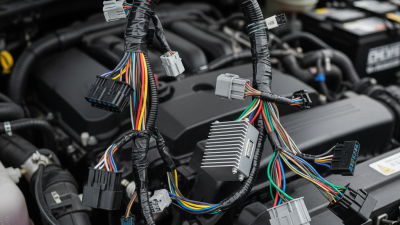
A wiring harness is a crucial component in many industries, serving as a grouping of wires, terminals, and connectors. These bundles enable electrical systems to function properly and reliably. From automotive to aerospace, the applications of wiring harnesses are extensive. For example, the global automotive wiring harness market is expected to reach approximately $71 billion by 2027, driven by advancements in electric vehicles and increased automation.
Wiring harnesses facilitate easy installation and maintenance of electrical systems. They reduce wiring errors and improve safety. In complex machinery, harnesses organize multiple connections in a streamlined manner, significantly reducing the risk of malfunctions. Statistics reveal that a well-designed wiring harness can cut assembly time by 50% or more, making it an efficient choice for manufacturers.
Consider using color-coded wiring for easier troubleshooting. This can save time during maintenance. Ensure connectors are sealed to protect them from moisture and dust. Regular inspections of wiring harness integrity can prevent costly downtime. Monitoring wear and tear can help identify issues before they escalate.
Components of a Wiring Harness
A wiring harness is a crucial component in many industries, serving as a connector system for various electrical systems. It comprises multiple wires, terminals, and connectors that transmit power and signals. Understanding its components is essential for effective use in applications ranging from automotive to aerospace.
The main elements of a wiring harness include wires, connectors, and protective housing. Wires carry electrical current. They vary in gauge based on the current load required. Connectors are like junctions, allowing the connection and disconnection of circuits. The protective housing safeguards wires against environmental factors, such as moisture and heat. Industry reports indicate that a well-designed wiring harness can reduce assembly time by up to 25%.
Over time, wear and tear can compromise a harness's integrity. Regular inspections become essential in preventing electrical failures. When considering wiring harness design, prioritize material quality. Sensor technology can also enhance reliability. Adopting measuring techniques helps determine the effectiveness of a harness. Moreover, training staff on installation can lead to increased operational efficiency, as deeper knowledge reduces errors.
Applications of Wiring Harness in Various Industries
Wiring harnesses play a critical role across various industries. They are essential for connecting electrical components while ensuring safety and performance. The automotive industry, for example, widely utilizes wiring harnesses to streamline vehicle assembly. Reports indicate that around 30% of a vehicle's total electrical costs can be linked to wiring harnesses. This emphasizes their significance in maintaining cost-efficiency and reliability.
In the aerospace sector, wiring harnesses contribute significantly to reducing weight. Lightweight materials are crucial in aviation, where every gram counts. Data from industry analysis shows that optimized wiring harness designs can decrease overall aircraft weight by 10% or more. This leads to improved fuel efficiency and expanded payload capacity. Despite these advantages, complexities in harness design mean that manufacturers must consistently assess their processes.
The medical devices industry also benefits greatly from wiring harnesses. They ensure the safe operation of devices, from diagnostic machines to surgical instruments. Reports illustrate that a well-designed harness can improve device longevity by 15%. However, challenges arise in meeting stringent regulatory standards. Continuous evaluation and adaptation are necessary to address these industry demands effectively.
Benefits of Using Wiring Harnesses
Wiring harnesses play a crucial role in various industries, ensuring the seamless flow of electrical signals. Their design allows for organized and secure integration of wires, minimizing the risk of damage. One significant benefit is the reduction of installation time. Pre-assembled harnesses save labor hours, as they come ready to install.
Additionally, these systems enhance reliability. By protecting wires from external factors, such as abrasion and moisture, they ultimately prolong the life of electrical systems. This is vital in industries where equipment operates under challenging conditions. However, the initial design process can be complex, requiring expertise to ensure optimal performance.
Cost-effectiveness is another advantage of wiring harnesses. While the upfront investment may seem high, the long-term savings are noteworthy. They reduce maintenance needs and downtime, proving beneficial in production environments. Yet, not every design suits every application. Sometimes, modifications are necessary, leading to potential delays. Balancing efficiency and customization remains a challenge.
What is a Wiring Harness and How is it Used in Industries? - Benefits of Using Wiring Harnesses
| Industry |
Application |
Benefits |
Common Materials |
| Automotive |
Electrical systems wiring |
Improved safety and reliability |
Copper, PVC |
| Aerospace |
Control systems and power distribution |
Weight reduction and enhanced performance |
Aluminum, Teflon |
| Consumer Electronics |
Internal connections for devices |
Compact design and easy assembly |
Copper, Silicone |
| Industrial Equipment |
Machinery control systems |
Durability and effective space management |
Steel, PVC |
| Telecommunications |
Network equipment connectivity |
Enhanced signal integrity |
Fiber optics, Copper |
Installation and Maintenance of Wiring Harnesses
The installation of wiring harnesses is a critical task in various industries. It requires precise methods and expertise. Start by ensuring all tools are ready. Organizing your workspace helps in reducing mistakes. A clean area allows clarity during installation. Workers must follow a specific sequence to avoid errors. Misplaced connections can lead to system failures.
Testing the harness after installation is crucial. Use multimeters to check for continuity. This step guarantees reliable performance. Even minor mistakes can cause significant issues. Regular maintenance is essential for longevity. Workers should inspect connections and insulation regularly. Wear and tear can lead to malfunctions over time.
Documentation of the installation and maintenance process is vital. Records help track past issues and solutions. This can save time when troubleshooting. Continuous training for staff improves installation quality. Practical experience enhances knowledge. However, it's important to embrace mistakes as learning opportunities. Each experience builds a stronger foundation for future tasks.
Wiring Harness Usage Across Different Industries
The bar chart above illustrates the percentage of wiring harness usage across various industries. The automotive sector leads with 40%, followed by aerospace at 25%. Consumer electronics, industrial equipment, and telecommunications each contribute to the remaining usage percentages.