Choosing the best wiring loom supplier in China is not simply a search for the lowest quotation. A reliable partner should understand your application, production volume, and operating environment before recommending a design. That means discussing wire gauge, insulation, connector types, routing, and expected service conditions. Small details matter. A connector that fits on a drawing may still be difficult to install inside a crowded enclosure. Experienced suppliers can flag such issues early, but buyers should verify advice against their own specifications.
A sound evaluation looks beyond polished product photos. Ask how the supplier controls incoming materials, crimping, assembly, electrical testing, and production records. Request relevant samples, inspection criteria, and clear answers about engineering changes and delivery capacity. For customized assemblies, confirm how drawings, tooling, and revisions are managed. Ask about applicable quality certifications, then check their scope and validity directly. If a supplier cannot explain a test result plainly, pause. Communication is part of quality. Still, no audit or checklist catches everything; we have to admit that. Pilot orders can reveal fit, labeling, packaging, and response time under real conditions. Compare suppliers using evidence, not broad promises or a single low price. The strongest choice is one that documents its process, adapts responsibly, and raises concerns before production problems reach your line.
What Is the Best Wiring Loom Supplier in China?
How Wiring Looms Are Defined: Components, Circuits, and Applications
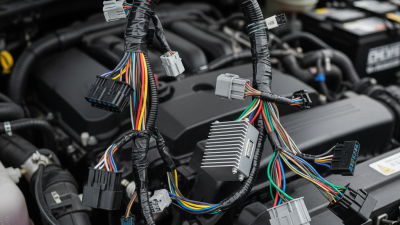
A wiring loom, also called a harness, is an organized assembly of wires and cables that carries power or signals. It typically includes conductors, terminals, connectors, protective sleeves, clips, seals, and identification labels. Each branch routes circuits to a specific component, such as a sensor, lamp, or control unit. Wire size, connector fit, and insulation must suit the expected current, heat, vibration, and moisture. Small parts matter. A tidy loom can still fail if one terminal is poorly crimped.
Applications range from vehicles and industrial equipment to appliances and energy systems.
The International Energy Agency’s Global EV Outlook 2024 reports nearly 14 million electric cars sold worldwide in 2023, around 18% of car sales. OICA recorded about 93.5 million motor vehicles produced that year. These figures show the scale of vehicle wiring, but they do not measure loom complexity directly.
For a China-based supplier, buyers can examine circuit drawings, material traceability, continuity checks, and workmanship against IPC/WHMA-A-620 criteria. Branch routing deserves close attention. In practice, drawings sometimes miss awkward bends or tight assembly spaces, so a prototype review can reveal problems that paperwork alone cannot.

When comparing wiring loom suppliers in China, check how their quality system works on the factory floor. IATF 16949 concerns automotive quality management, not certification of each harness. Ask how the supplier controls revisions, approves process changes, and traces a finished loom to its production lot. Can an operator identify the correct drawing and terminal crimp setting at the workstation?
ISO 6722 applies to road-vehicle cables and sets requirements such as dimensions and resistance to heat, abrasion, and other stresses. Confirm the cable type and test conditions against your drawing; a certificate alone may not match the intended application. Ask for recent test records, including sample identification and results. Details matter.
IPC/WHMA-A-620 provides workmanship acceptance criteria for cable and wire harness assemblies. It helps define acceptable crimps, solder joints, insulation damage, and routing, but the required class and customer requirements should be agreed in writing. Request inspection photos or a sample build, then examine terminal seating, labels, and branch lengths. A polished audit file can still miss a loose secondary lock. That happens. Check the actual part, not just the paperwork, and make sure inspection findings lead to corrective actions with recorded follow-up.
What Is the Best Wiring Loom Supplier in China?
How Workmanship Is Graded: IPC/WHMA-A-620 Classes 1–3
IPC/WHMA-A-620 sets workmanship acceptance criteria for cable and wire harness assemblies. Class 1 covers general electronic products. Class 2 applies to products requiring reliable service over time. Class 3 is for high-performance equipment where uninterrupted operation matters. The class should match the harness’s actual use, not simply the buyer’s preference. A higher class can involve tighter acceptance criteria, but it does not replace sound design or clear drawings.
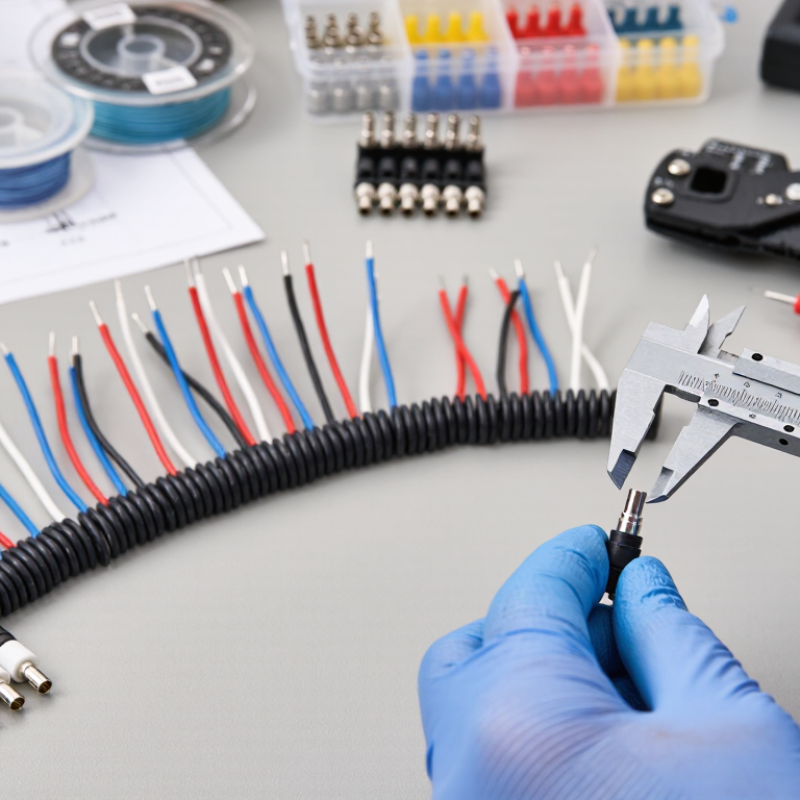
During supplier reviews, look beyond a certificate. Ask how inspectors check crimp height, conductor strip length, terminal seating, labels, and routing. Request sample inspection records and confirm which standard revision and class apply. On a bench, a pulled-back insulation sleeve or a loose tie near a connector can reveal process weaknesses. Small details matter. Still, one sample cannot prove consistent production; that deserves a second look.
Tips: Put the required class, inspection points, and defect limits in the purchase specification. Ask for photos of representative assemblies and records linking inspections to production lots. If a supplier cannot explain why a defect passes or fails, pause before approval.
When comparing wiring loom suppliers in China, check whether their cable specifications match the vehicle’s electrical system and installation conditions. ISO 6722 addresses single-core road-vehicle cables in 60 V and 600 V classes. It sets requirements and test methods for features such as conductor size, insulation, and resistance to heat, cold, abrasion, and fluids. The exact requirements depend on the applicable edition and cable type. Small details matter.
Tips: Ask for test reports tied to the cable’s exact part number, voltage class, and temperature rating. Confirm conductor material, insulation thickness, and traceability on production records. A certificate alone is not enough; it may not cover the cable supplied for your loom. Compare samples with the drawing, then verify performance through relevant tests. Clear answers are useful. Vague claims deserve a second look.
ISO 6722 compliance applies to the cable, not automatically to the complete wiring loom. For loom evaluation, also review routing, connectors, seals, splices, and protection against vibration or chafing. Request documentation before production and agree on inspection criteria. A tidy sample can still hide a weak crimp or an unsuitable bend radius. That is easy to overlook.
When comparing Chinese wiring loom suppliers, request test records for the exact assembly you plan to buy. Check continuity, insulation resistance, and connector retention where these tests suit the application. Ask how failures are logged and corrected. A polished sample is useful, but it cannot prove every production batch will match. Ask to review a recent inspection report.
Traceability should connect each loom to its materials, production date, and inspection results. A printed lot code is only helpful if staff can retrieve the linked records. Ask for a sample traceability file, with sensitive customer details removed. Check whether cable, terminal, and connector changes trigger a new review. Small record gaps matter.
Capacity claims need detail. Ask about active shifts, available workstations, trained operators, and peak-season limits. If possible, compare stated capacity with a recent output plan. Lead time should include component sourcing, assembly, testing, packing, and transport—not just factory production. Get separate estimates for samples and repeat orders. Leave room for delays. Even a careful forecast can miss a late component or rework; that uncertainty deserves an honest conversation before placing an order.
Suggested evaluation weights for a buyer scorecard. These are recommendations, not measured market data or ratings of specific suppliers.
Request documented test results, lot-level traceability records, evidence of capacity for your forecast, and written lead-time commitments. Adjust the weights to match your product risk and delivery requirements.