2026 Best Wiring Loom Types for Global Sourcing?

Choosing the right wiring loom for global sourcing is no longer a simple price comparison. Buyers must examine application, climate, voltage, production volume, and supplier capability together.

Dr. Klaus W. Bender, an established automotive electrical-systems educator, captures the issue clearly: “A wiring harness is only as reliable as its weakest connection.” That principle still matters in 2026. A compact engine-bay loom may need heat-resistant insulation, sealed terminals, and vibration protection. An industrial loom may require flexible conductors, clear labeling, and easier field replacement. High-voltage systems demand stricter insulation control, shielding, and documented testing.

This guide compares the leading wiring loom types for international purchasing. It considers standard harnesses, custom looms, modular assemblies, ribbon designs, and high-voltage cable systems. It also reviews copper and aluminum conductors, connector quality, crimp consistency, and automated electrical testing.

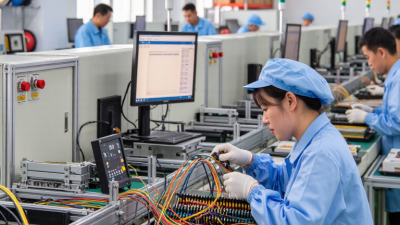
The cheapest quotation can become expensive quickly. Delayed samples, unclear drawings, or inconsistent terminal force can stop production. Supplier audits, first-article inspections, and traceability records provide stronger confidence than attractive catalog images.

Still, no sourcing model is perfect. A highly customized loom may improve performance but reduce replacement flexibility. A standard design may simplify purchasing but waste space inside complex equipment. These trade-offs deserve honest review.

The best wiring loom is not universally defined. It is the design that fits the equipment, supply chain, compliance expectations, and long-term maintenance plan. This article provides a practical framework for making that decision with fewer assumptions and better evidence.
2026 Best Wiring Loom Types for Global Sourcing?

Wiring Loom Fundamentals and Their Role in Global Sourcing

A wiring loom is more than bundled cable. It is a tested system of conductors, terminals, connectors, seals, clips, labels, and protective coverings.

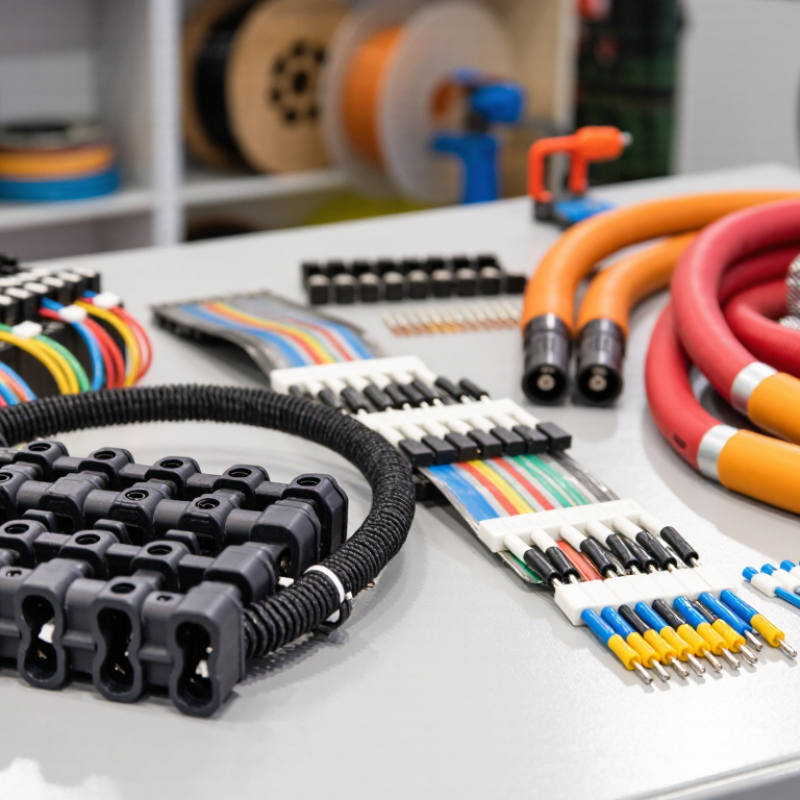
Common types include taped looms, braided looms, conduit-protected looms, and shielded high-voltage looms. Each type suits different temperatures, vibration levels, moisture exposure, and installation spaces.

In sourcing, the loom drawing must define wire cross-section, terminal plating, connector coding, bend radius, and branch locations.

Small omissions can create expensive production delays.

The market is becoming more demanding. The International Energy Agency reported nearly 14 million electric cars sold globally in 2023, representing about 18% of new car sales.

These vehicles require additional high-voltage, shielded, and thermal-management wiring.

Meanwhile, the International Organization of Motor Vehicle Manufacturers recorded about 93.5 million motor vehicles produced in 2023.

This scale shows why global buyers need repeatable loom specifications, not only low unit prices.

Production reviews often reveal a weak point: two suppliers may interpret “water-resistant” differently. Standards such as IPC/WHMA-A-620 and ISO 6722 help, but they do not replace clear validation plans.

Tips:

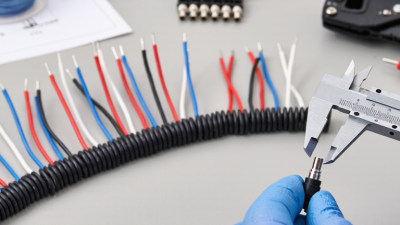
Request sample looms with cutaway sections, terminal pull-force results, continuity records, and heat-aging evidence.

Compare first-article samples under identical conditions. Confirm labeling and packaging before shipment.

A supplier may pass visual inspection yet fail during routing. That uncomfortable possibility deserves attention.

Also review tooling ownership, change-control procedures, and traceability by batch.

Perfect sourcing does not exist; disciplined checking reduces avoidable surprises.

Key Wiring Loom Types for Different Applications

Wiring loom selection should start with the application, not the lowest quoted price. An engine wiring loom needs heat-resistant insulation, secure clips, and protection from oil, vibration, and repeated movement. These harnesses often require sealed connectors and abrasion sleeves near the engine block. A small routing mistake can create costly maintenance problems.

Body wiring looms support lighting, doors, seats, sensors, and cabin controls. They usually need flexible cables, compact branches, and clear identification labels. For industrial control cabinets, a control wiring loom should prioritize accurate pin mapping, ferrules, shielding, and easy inspection. Keep it simple. Installers value clean routing when a fault appears during production.

Battery and high-voltage looms demand stronger insulation, guarded terminals, and careful separation from low-voltage circuits. Signal looms for communication systems need controlled routing and effective shielding to reduce electrical interference. During global sourcing, request drawings, sample approval, continuity testing, pull-force records, and material traceability. Confirm environmental performance for temperature, moisture, chemicals, and vibration. A polished sample can still hide weak crimping. That is worth challenging. Suppliers should explain process controls, not only provide attractive photographs. Application requirements may change after installation, so allow practical adjustment space without compromising bend radius or connector security.

Material, Connector, and Protection Options for 2026

2026 Best Wiring Loom Types for Global Sourcing?

For 2026, wiring loom selection depends on material, connector design, and protection requirements. Copper remains practical for stable conductivity and easy termination. Aluminum can reduce weight, but it needs careful crimp control and corrosion prevention. Halogen-free insulation supports cleaner installations in many applications. However, the best material still depends on temperature, bending, voltage, and installation space.

Connector choice affects assembly speed and long-term reliability. Sealed connectors suit vehicles, outdoor equipment, and areas exposed to moisture. Unsealed connectors may reduce cost inside clean, protected enclosures. Key checks include terminal retention, contact resistance, locking strength, and compatibility with automated assembly. Do not trust a drawing alone. Sample testing often reveals unexpected fit problems.

Protection options include braided sleeving, corrugated tubing, heat-shrink protection, and abrasion-resistant tape. Each solution handles movement, heat, chemicals, or sharp edges differently. More protection is not always better.

Tips: Request material certificates, connector test data, and inspection records from suppliers. Confirm wire gauges, color codes, bend radii, and labeling before production. Test samples under vibration, heat, moisture, and repeated flexing. Keep a second source for critical components, but verify identical specifications. A cheaper loom may create higher installation costs. That deserves reflection. Some sourcing plans also overlook packaging damage during international transport. Use sealed bags, protected terminals, and clear lot identification. Erotvide.

How to Compare Wiring Loom Suppliers Across Global Markets

Global sourcing in 2026 demands more than comparing wiring loom prices. Buyers should match loom types with operating conditions.

Low-voltage looms suit standard control systems.
High-voltage looms need shielding, orange identification, and stronger insulation.
Sealed looms protect connectors in wet or dusty environments.
Flexible looms work better where repeated movement causes fatigue.

The International Energy Agency reported over 14 million electric car sales in 2023, representing nearly 18% of global car sales. This growth increases demand for high-voltage assemblies and stricter traceability. Compare suppliers by conductor quality, terminal retention, bend testing, and automated inspection. Ask for sample inspection records, not only certificates. ISO 9001 helps, but it does not prove consistent crimp force. That distinction matters. I have seen attractive samples fail after repeated vibration testing. A low quotation still seduces purchasing teams.

Tips:

Build a weighted supplier scorecard. Give quality and process control at least 40% of the score. Check copper specifications, insulation temperature ratings, tooling calibration, and change-control procedures. Review production capacity by country, not just factory size. Request first-article samples from the intended production line. Also compare delivery buffers, packaging methods, and evidence from independent laboratory tests. The 2024 Reshoring Institute supply-chain research highlights resilience, regional capacity, and supplier visibility as major sourcing concerns. Freight savings can disappear when one connector causes a production delay. JSImport

Quality, Compliance, Cost, and Delivery Selection Criteria

2026 Best Wiring Loom Types for Global Sourcing?

For global sourcing, wiring loom selection should begin with application demands, not unit price. Sealed looms suit wet compartments, while braided looms protect cables from abrasion and movement. High-temperature looms need suitable insulation, terminals, and verified heat resistance. In sourcing reviews, I check conductor size, bend radius, connector locking, and strain relief. A sample may look excellent but still fail after vibration testing. That risk deserves attention.

Compliance must match the destination market and equipment category. Request material declarations, electrical test records, process controls, and full batch traceability. Quality inspections should cover crimp height, pull force, continuity, insulation resistance, and visual defects. Independent testing can strengthen confidence, especially when suppliers provide incomplete records. Documentation is not paperwork alone. It supports faster audits and safer decisions. However, requirements can change, so a previous approval should not be treated as permanent.

Tips: Compare landed cost, not only factory price. Include tooling, testing, packaging, duties, transport, and possible rework. Ask suppliers to confirm weekly capacity and realistic lead times in writing. Keep one approved sample as a reference standard. Consider modular loom designs when product variations are frequent. They can reduce replacement complexity, although extra connectors may increase cost and failure points. I would also challenge unusually short delivery promises; they may reflect optimism rather than production evidence. Small pilot orders often reveal more than polished presentations.