2026 Best Wiring Harness Manufacturers for Global Buyers

A wiring harness is easy to overlook until a connector loosens, a route chafes, or a vehicle line stops. For global buyers, choosing a manufacturer means looking beyond price and catalog breadth. The details matter: terminal fit, insulation consistency, strain relief, labeling, and repeatable test records. A polished sample is useful. It is not proof of stable production.

This 2026 guide compares wiring harness manufacturers through practical buyer criteria: engineering support, customization, quality controls, production capacity, and communication across time zones. Buyers should ask how suppliers validate prototypes, trace materials, manage design changes, and inspect finished assemblies. Request clear evidence, not broad promises. Small gaps can remain, even after careful review.

One point deserves care: no source articles or verifiable expert quotation were provided, so attributing a sentence to a named industry expert would risk inventing a claim. A reliable comparison should use a confirmed quotation and identify its source. That is less dramatic. It is more trustworthy. The right partner will explain both capabilities and limits, then support them with drawings, test results, and consistent follow-through.
2026 Best Wiring Harness Manufacturers for Global Buyers

What Wiring Harness Manufacturers Produce and Which Industries They Serve

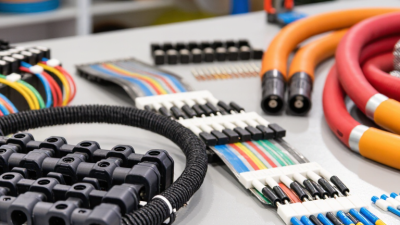
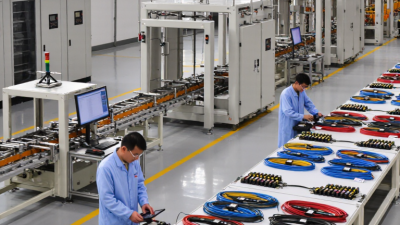
A wiring harness is an organized network of wires, terminals, connectors, seals, and protective sleeves. Manufacturers cut and strip wire, crimp or solder terminals, assemble branches, and test electrical continuity. Some also build prototypes and adapt routing to tight spaces, vibration, heat, or moisture. Small details matter. A poorly supported branch can rub against a panel and fail.

OICA reported 93,546,599 motor vehicles produced worldwide in 2023. That figure shows the scale of automotive demand, not harness output itself. The International Energy Agency’s Global EV Outlook 2024 reported nearly 14 million electric car sales in 2023, about 18% of global car sales. Electric platforms often need carefully routed power and signal wiring, though requirements vary by vehicle design.

Harnesses also serve industrial machinery, medical equipment, aerospace systems, telecommunications, and renewable energy installations. Each application brings different needs: a factory machine may require abrasion-resistant cable, while medical equipment may need compact, clearly identified connections. Aerospace assemblies typically demand extensive documentation and testing. The IEA reported nearly 510 GW of renewable capacity additions in 2023, highlighting expanding installation activity, not a direct measure of harness demand. One limitation is easy to miss: a supplier’s experience in one sector does not automatically qualify it for another. A neat drawing can still overlook access for repair, so buyers should review samples, test records, and installation conditions.
How to Evaluate Manufacturers for Quality, Cost, and Global Reach

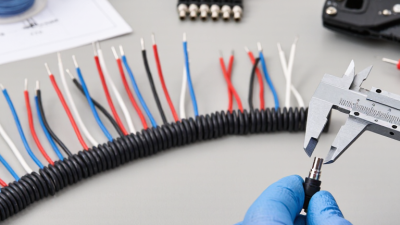
A wiring harness quote should be judged beyond its unit price. Ask how the manufacturer controls crimp height, pull-force testing, continuity checks, and lot traceability. Request sample inspection records and a clear plan for handling defects. A low quote can hide costly rework. Details matter. For a fair comparison, include tooling, packaging, freight, lead time, and expected scrap in the landed cost.

Global reach means more than shipping to many countries. UNCTAD’s Review of Maritime Transport 2024 reports that over 80% of world trade by volume moves by sea, making port access and backup shipping plans relevant to delivery risk. The World Bank’s 2023 Logistics Performance Index assessed 139 economies across customs, infrastructure, tracking, and other dimensions. Use these as context, then ask suppliers for actual route options, shipment records, and contingency plans. A polished scorecard is useful, but it can still miss a local bottleneck.

Tips: Compare the same drawing revision and test requirements across bids. Ask for a first-article sample, material certificates, and recent on-time delivery data. Visit the production floor when feasible; check whether wire labels, fixtures, and inspection steps match the documented process. If a supplier cannot share evidence, pause and ask why.

Leading Wiring Harness Manufacturers and Their Strengths in 2026

In 2026, leading wiring harness manufacturers stand out through process control, not impressive samples alone. The strongest suppliers can document crimp-force checks, continuity testing, and lot traceability. They also adapt drawings quickly when vehicle platforms change. Small details count. A connector that fits poorly can delay an entire assembly line.

The International Energy Agency’s Global EV Outlook 2025 reports that electric car sales exceeded 17 million in 2024, representing more than one in five new cars sold worldwide. That shift increases demand for high-voltage cables, robust insulation, and carefully routed harnesses. Manufacturers with experience in both conventional and electrified platforms have an advantage. Buyers should ask for material specifications, validation records, and realistic capacity data—not just a low quote.

Different strengths suit different programs. Large-scale producers may offer stable output and regional manufacturing, while specialist suppliers can provide faster engineering changes and complex, low-volume builds. Neither model is automatically better. I would still verify claims through sample testing and a production-site audit; paperwork can look excellent while shop-floor discipline varies. The best partnership combines measurable quality controls with candid communication when a design needs revision.

How Manufacturing Regions Affect Compliance, Delivery, and Supply

Manufacturing location shapes more than a wiring harness’s unit price. It affects lead time, documentation, and how easily a supplier meets the destination market’s requirements. A plant serving automotive, industrial, or medical applications may need different customer approvals and traceability records. Ask for evidence: crimp-force logs, continuity-test results, material certificates, and lot-level records. A map pin is not proof of process control.

Distance still matters. The World Bank’s 2023 Logistics Performance Index reports that shipments can take about 44 days to travel from a port of entry to their destination, compared with about 20 days in the fastest-performing countries. These figures describe logistics, not harness production, but they show why port access and inland transport deserve attention. Regional sourcing can also reduce transit exposure, though local capacity, connector availability, and seasonal congestion still need checking. I would not assume a nearby factory always delivers faster.

Tips: Before approval, request a sample build and verify wire gauge, terminal fit, labels, and test records against your specification. Confirm export documents and backup routes in writing. Small details matter. Compare quoted lead times with recent shipment records, not optimistic estimates alone. One uncomfortable question helps: what happens if a key terminal is unavailable for six weeks?

2026 Best Wiring Harness Manufacturers for Global Buyers

How manufacturing regions can affect compliance, delivery, and supply planning

The 1–5 scores are a qualitative planning guide, not measured supplier performance. Compliance depends on the destination market and product requirements; delivery depends on the specific factory, route, and shipping method. Verify certifications, lead times, and supply capacity directly with each supplier.

How Global Buyers Verify Suppliers Before Placing Orders

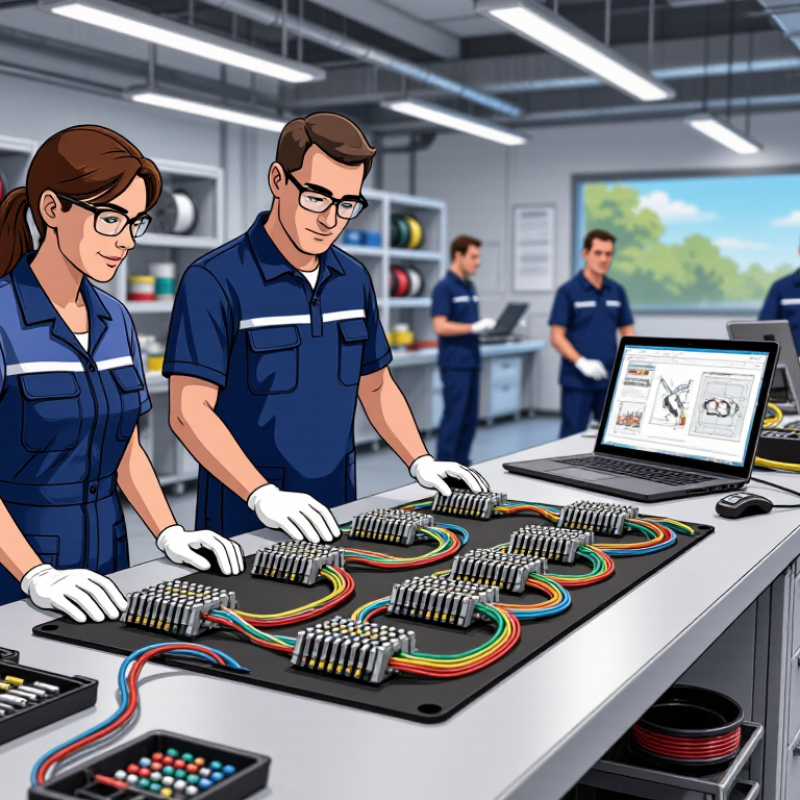
Before placing an order, global buyers should verify how a wiring harness supplier turns a drawing into a repeatable assembly. Request current process-flow documents, inspection plans, and sample records tied to the exact part revision. Ask how terminals are crimped, how wire lengths are checked, and how specification changes reach the production floor. Small details matter. A cutaway crimp sample, pull-test result, and continuity report can reveal more than a polished capability deck. Confirm that test equipment is calibrated and failed units are recorded, contained, and reviewed.

Assess the factory beyond its sales presentation. A remote or on-site review should follow materials from incoming inspection to labeling and shipment, with attention to lot traceability and rework controls. Request references for comparable harness complexity, realistic lead-time assumptions, and a clear explanation of capacity during peak periods. Then approve a pilot build and inspect fit, connector locking, labels, packaging, and test data before releasing volume. No checklist catches everything. Documents may be current while shop-floor habits drift; revisit critical controls after changes in tooling, materials, or staffing. Record open questions and assign owners, rather than treating a signed audit as a guarantee.